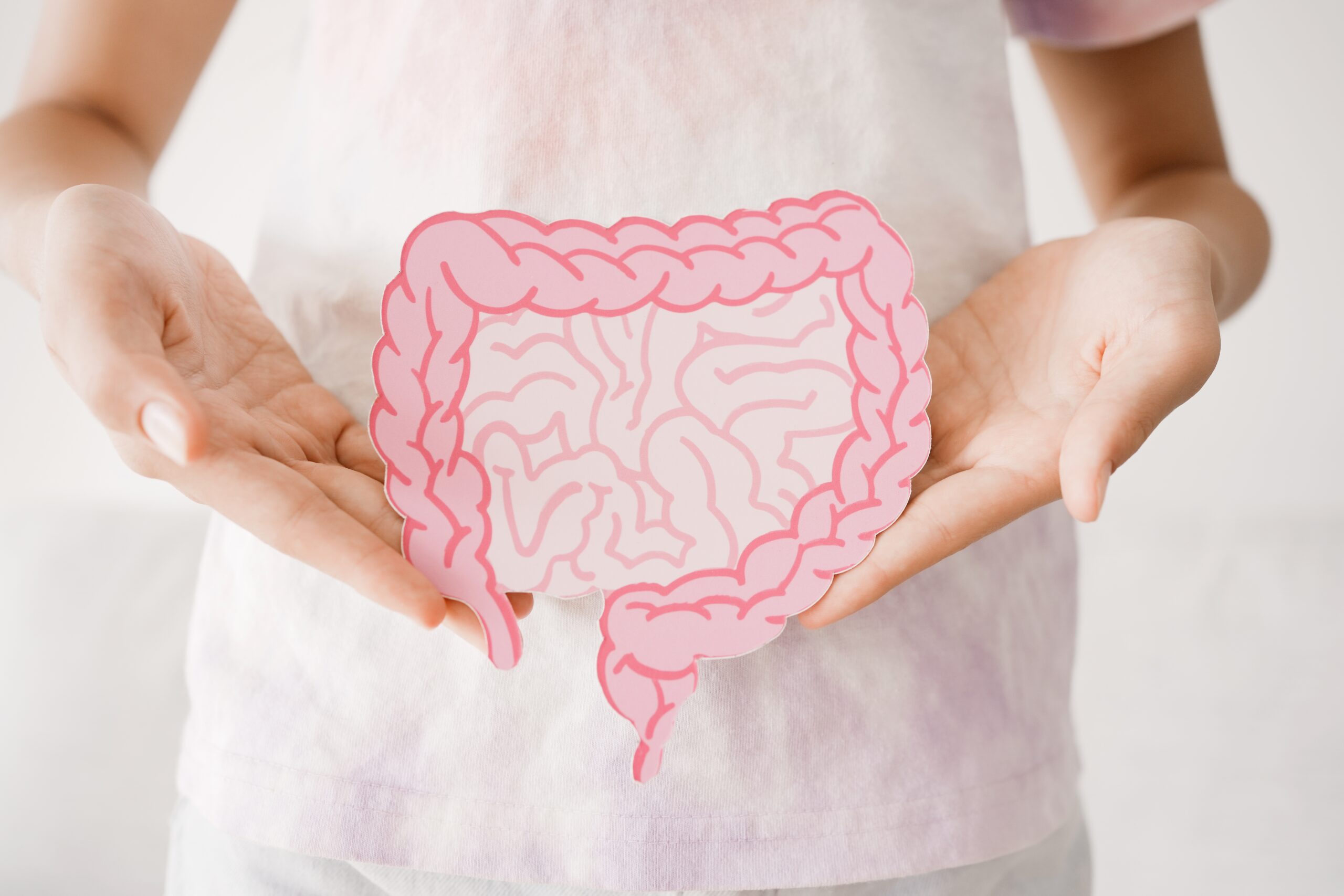

Scientists have discovered how to manipulate gut bacteria into producing a compound that extends lifespan by 30 percent in laboratory animals—without the drug ever leaving the intestines.
Story Snapshot
- Researchers coax gut bacteria to manufacture colanic acid, a longevity-boosting compound, using low doses of a veterinary antibiotic
- Roundworms lived 30 percent longer; mice showed improved cholesterol and insulin levels without systemic drug exposure
- The antibiotic cephaloridine stays confined to the gut, triggering bacterial gene activation rather than killing microbes
- This microbiome-modulation approach represents a paradigm shift from targeting human cells directly to enlisting bacteria as therapeutic factories
Your Gut Bacteria Just Got a New Job Description
Meng Wang’s team at the Howard Hughes Medical Institute Janelia Research Campus published findings in PLOS Biology that upend conventional drug development. Instead of designing molecules to fix aging human cells, they reprogrammed E. coli and other gut residents to overproduce colanic acid, a bacterial exopolysaccharide already proven to extend lifespans in roundworms and fruit flies. The twist? They used cephaloridine, an antibiotic typically reserved for veterinary use, at doses too low to exterminate bacteria but high enough to flip genetic switches that ramp up colanic acid production.
The strategy exploits a loophole in bacterial stress responses. When cephaloridine nibbles at bacterial cell walls without overwhelming them, microbes react by churning out protective compounds—colanic acid among them. Wang’s earlier work had identified this sugar polymer as a longevity molecule, so the team tested whether pharmacologically nudging bacteria could deliver therapeutic doses. Roundworms treated with the low-dose antibiotic lived 30 percent longer than controls, a result that held up when researchers switched to mice.
Watch:
Cholesterol Drops, Insulin Falls, and the Drug Never Leaves Your Gut
Male mice on the regimen saw HDL cholesterol rise and LDL cholesterol fall, markers cardiologists dream about. Female mice experienced drops in insulin levels, hinting at improved glucose metabolism. What makes these results remarkable is that cephaloridine does not absorb into the bloodstream; it remains quarantined in the intestinal tract. Traditional anti-aging compounds face a gauntlet of liver metabolism, kidney filtration, and off-target effects. By contrast, this approach confines the pharmacological trigger to the gut while bacteria do the heavy lifting, secreting colanic acid that benefits the host systemically.
From Worms to Humans: The Translation Problem
Proof-of-concept in roundworms and mice is one thing; human trials are another beast entirely. Cephaloridine is not approved for human use outside veterinary contexts, and regulators will demand extensive safety data before any clinical application. Yet the principle—microbiome modulation via low-dose pharmacological triggers—has precedent. UC Davis researchers in 2025 identified 10-HSA, a bacterial molecule that reverses liver and gut damage by activating PPARα pathways. The Leibniz Institute in 2026 showed that epigenetic aging drift in gut cells could be reversed by tweaking iron and Wnt signaling, pathways bacteria also influence.
The Microbiome as Pharmaceutical Factory
Wang’s team framed their findings as a reshaping of medicine itself, a shift from molecule-centric drug design to ecosystem engineering. Gut bacteria already synthesize thousands of compounds, many with unknown effects on human health. The challenge has been identifying which molecules matter and how to amplify their production without disrupting microbial balance. Cephaloridine’s gene-activation effect offers a precision lever, targeting specific bacterial pathways rather than carpet-bombing the microbiome with broad-spectrum antibiotics.
Scientists discover how to turn gut bacteria into anti-aging factories
Researchers found that small doses of an antibiotic can coax gut bacteria into producing a life-extending compound. In worms, this led to longer lifespans, while mice showed healthier cholesterol and insulin…
— The Something Guy 🇿🇦 (@thesomethingguy) February 1, 2026
This precision matters because antibiotic overuse has trained entire bacterial populations to resist drugs, a crisis that kills over a million people annually. Low-dose cephaloridine does not select for resistance in the same way; it modulates rather than exterminates.
What Comes Next for Bacterial Longevity Factories
No human trials have been announced as of early 2026, and the path from mouse data to clinical application typically spans years. Regulatory agencies will scrutinize whether low-dose cephaloridine poses risks not evident in short-term animal studies—antibiotic resistance, microbiome destabilization, or unforeseen metabolic side effects. Wang’s team highlighted gut confinement as a safety feature, but long-term data on colanic acid’s systemic effects in humans do not yet exist. The sex-specific metabolic differences in mice also raise questions about how treatments might need tailoring by patient demographics.
Still, the convergence of microbiome discoveries—10-HSA, epigenetic drift reversal, postbiotic inflammation control—suggests the field is reaching critical mass. Aging populations and overburdened healthcare systems create both market demand and ethical pressure to find interventions that extend healthspan, not just lifespan.
Meet My Healthy Doc – instant answers, anytime, anywhere.
Sources:
Scientists discover how to turn gut bacteria into anti-aging factories – ScienceDaily
Gut cells can reverse their own aging – ScienceDaily
Antibiotic turns gut bacteria into longevity factories – New Atlas
Aging Gut: The Microbiome’s Second Act – ASM
UC Davis Scientists Find a Microbial Molecule That Restores Gut and Liver Health
Gut-derived metabolite hippuric acid – Medical Xpress