
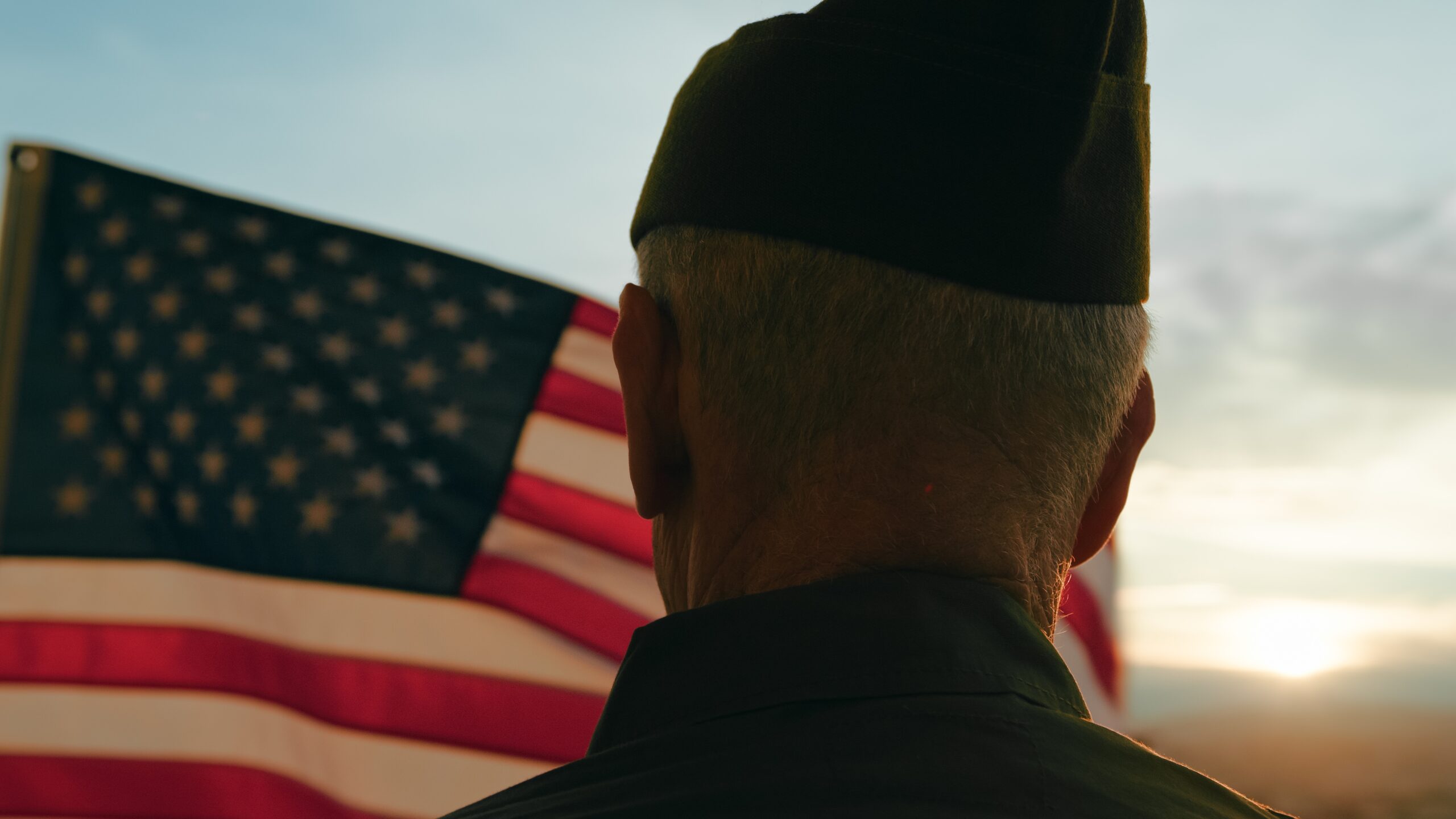
A 103-year-old World War II veteran defies time itself through relentless YMCA workouts, proving age bows to unbreakable American grit.
Story Highlights
- River Crossing YMCA’s Veterans Wellness Initiative has served 1,232 veterans and families since 2015 with free fitness programs.
- VA’s Gerofit program, started in 1986, now operates at 33 sites, prescribing exercises for older veterans to boost strength and balance.
- Programs like yoga, tai chi, and aqua aerobics target arthritis, falls, and depression in aging WWII-era service members.
- Leaders such as Megan McCuen and Tyara Mason drive these efforts, funded by donors honoring veteran sacrifices.
- Outcomes include reduced healthcare costs, stronger communities, and inspiration for healthy aging rooted in discipline.
YMCA Veterans Wellness Roots in Post-WWII Support
River Crossing YMCA launched its Veterans Wellness Initiative in late 2015 across seven branches in Allentown and Doylestown. Leaders Megan McCuen, Lisa Rodgers, Jill Waskiewicz, Jim Tyrrell, and Michele Gubish oversee free 12-week programs for honorably discharged veterans, active military, and spouses. Participants attend yoga, strength training, and family sessions consistently or face disenrollment. Donors fund Cause Memberships, ensuring access without on-base facilities. This model echoes WWI and WWII-era YMCA outreach to service members.
VA Gerofit Delivers Tailored Exercise for Aging Vets
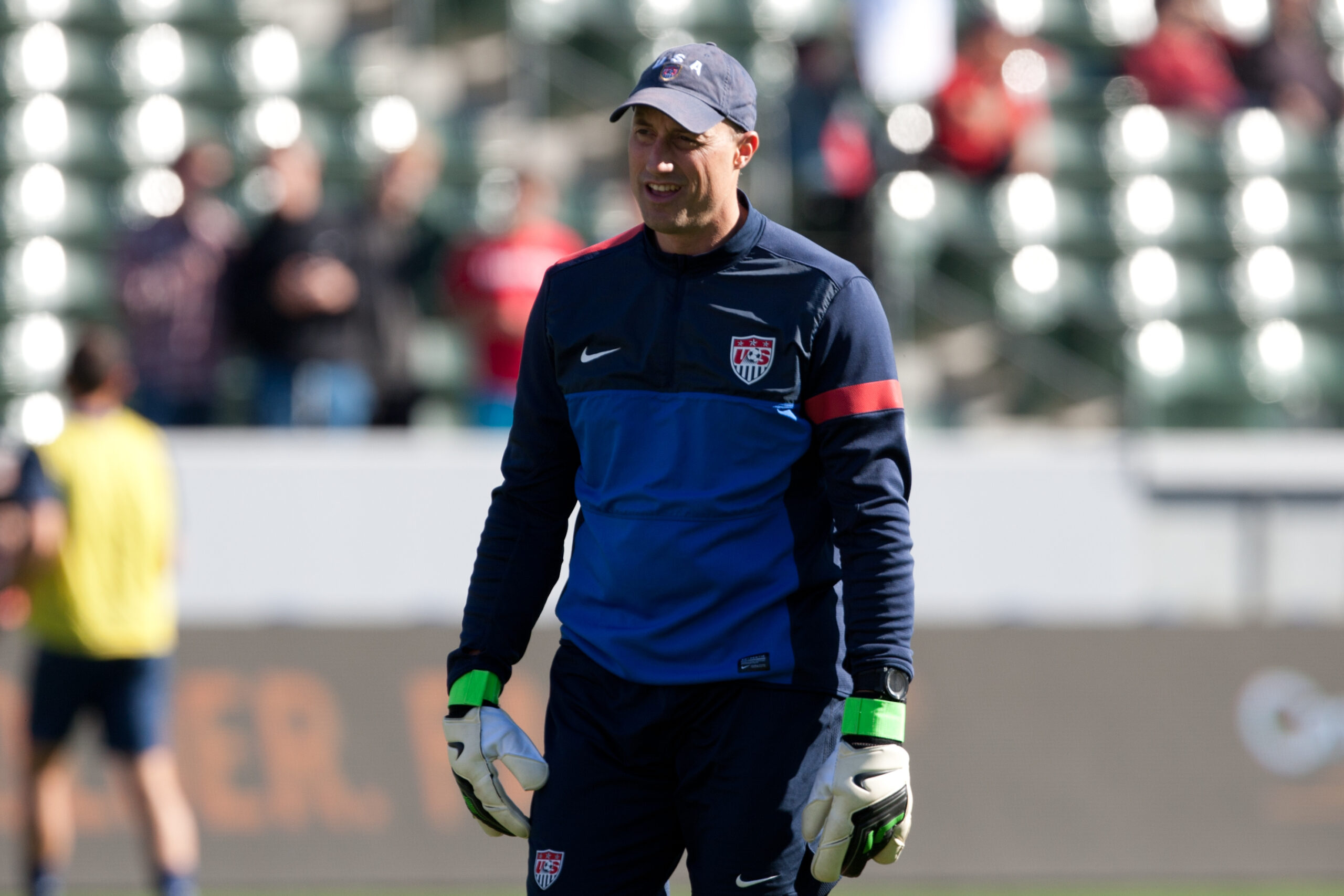
Durham VA Medical Center started Gerofit in 1986, expanding to 33 sites nationwide. National Outreach Exercise Physiologist Tyara Mason, M.S., prescribes aerobic and strength exercises for stable-health veterans over 65. Programs emphasize tai chi for balance and fall prevention. Veterans improve physical function and cut healthcare costs, as data confirms. Nurses and physiologists collaborate on personalized plans. This initiative addresses rising needs among WWII and Korean War veterans born around 1923.
Watch:
Programs Combat Isolation and Health Decline
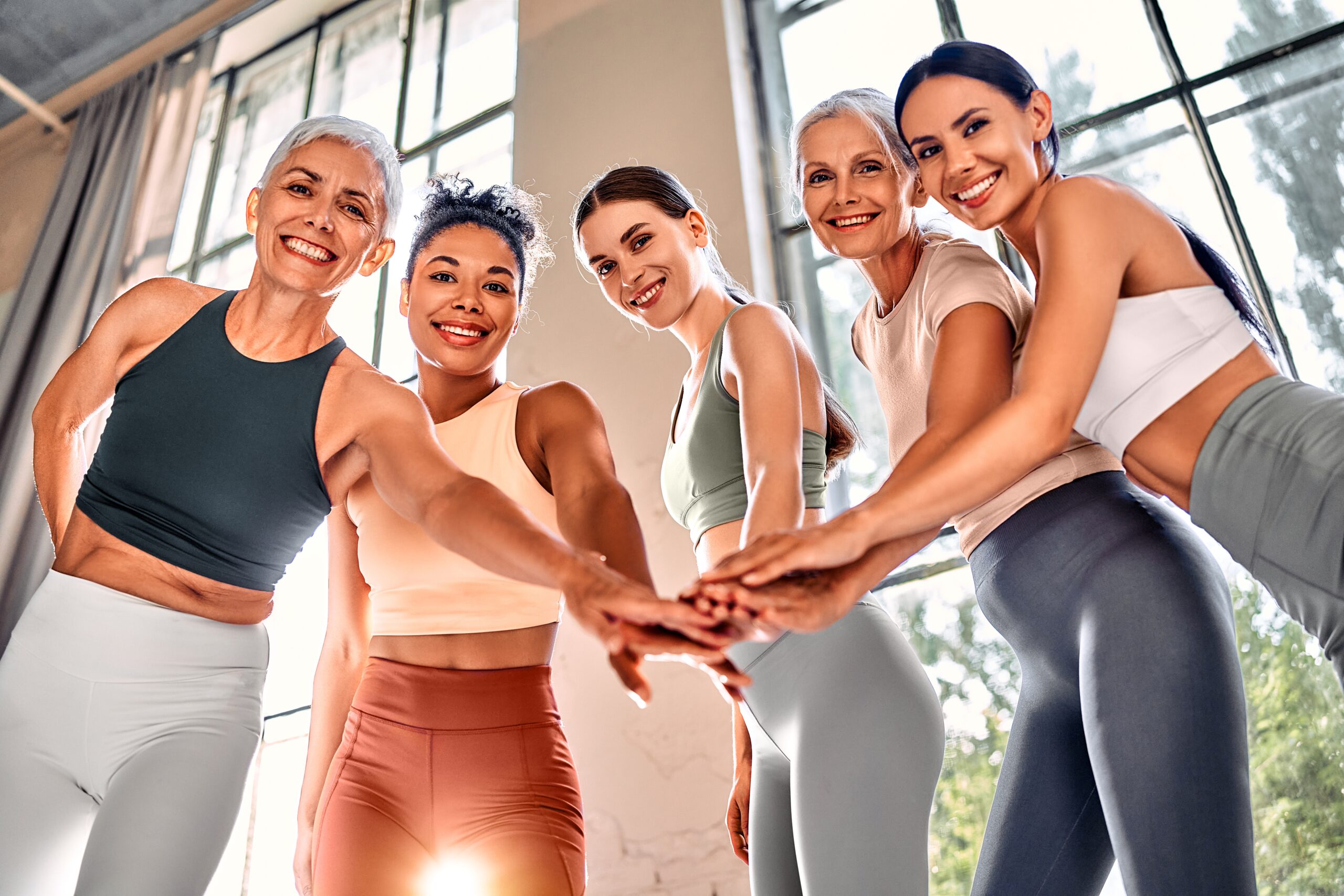
YMCA classes like SilverSneakers and EnhanceFitness tackle arthritis, falls, and depression through low-impact options such as aqua aerobics. River Crossing reports 1,232 participants from 2015 to 2025, including virtual Y Wellness 24/7 with Zoom and InBody scans. Post-program, veterans receive six-month memberships for sustained activity. These efforts build social networks, reducing isolation in modest-income and widowed seniors. Facts align with common sense: discipline yields resilience.
Got a health question? Ask our AI doctor instantly, it’s free.
Stakeholders Fuel Community Anchor Role
River Crossing YMCA acts as the community hub, partnering with VA-like efforts. Donors, Armed Services YMCA, and Department of Defense provide upstream funding for respite care and memberships. Veterans and families benefit directly, motivated by health and connection. Program leaders hold direct influence over enrollment and classes, dependent on donor sustainability. VA providers like Mason refer patients, amplifying reach. This structure honors service through practical support.
Proven Impacts Reflect Conservative Values
Short-term gains include better physical function and lower depression rates; long-term effects foster networks and activity. Economic savings emerge from reduced healthcare use, while social cohesion strengthens via group sessions. Broader effects model donor-funded inclusivity nationwide, like SilverSneakers. Programs validate patriotism and self-reliance—core American principles. Uniform expert views from VA and YMCA staff confirm efficacy, with no conflicts in data.
Your instant doctor companion – online 24 hours a day.
Sources:
https://www.ymcarivercrossing.org/pathways/veterans-wellness
https://www.ymcavp.org/programs-and-classes/fitness-classes/active-adults
https://www.ymca.org/what-we-do/healthy-living/fitness/older-adults
https://www.va.gov/GERIATRICS/pages/gerofit_Home.asp
https://www.ymca.org/what-we-do/social-responsibility/military-outreach
https://www.ymcadc.org/programs/health-fitness/fit-well-seniors/