
The pills in your medicine cabinet and the food on your plate might be quietly eroding the walls of your gut, allowing bacteria and toxins to seep into your bloodstream.
Story Snapshot
- Leaky gut syndrome theorizes that medications like NSAIDs and processed foods damage intestinal lining, allowing harmful substances into the bloodstream
- Mainstream medical institutions dismiss leaky gut as an unproven hypothesis, not a formal diagnosis, though intestinal permeability exists in recognized diseases
- NSAIDs, antibiotics, alcohol, and Western diets high in sugar and fat are suspected culprits in weakening gut barriers
- The wellness industry promotes leaky gut treatments while gastroenterologists insist on addressing underlying conditions like IBD instead
The Controversial Gut Breach Theory
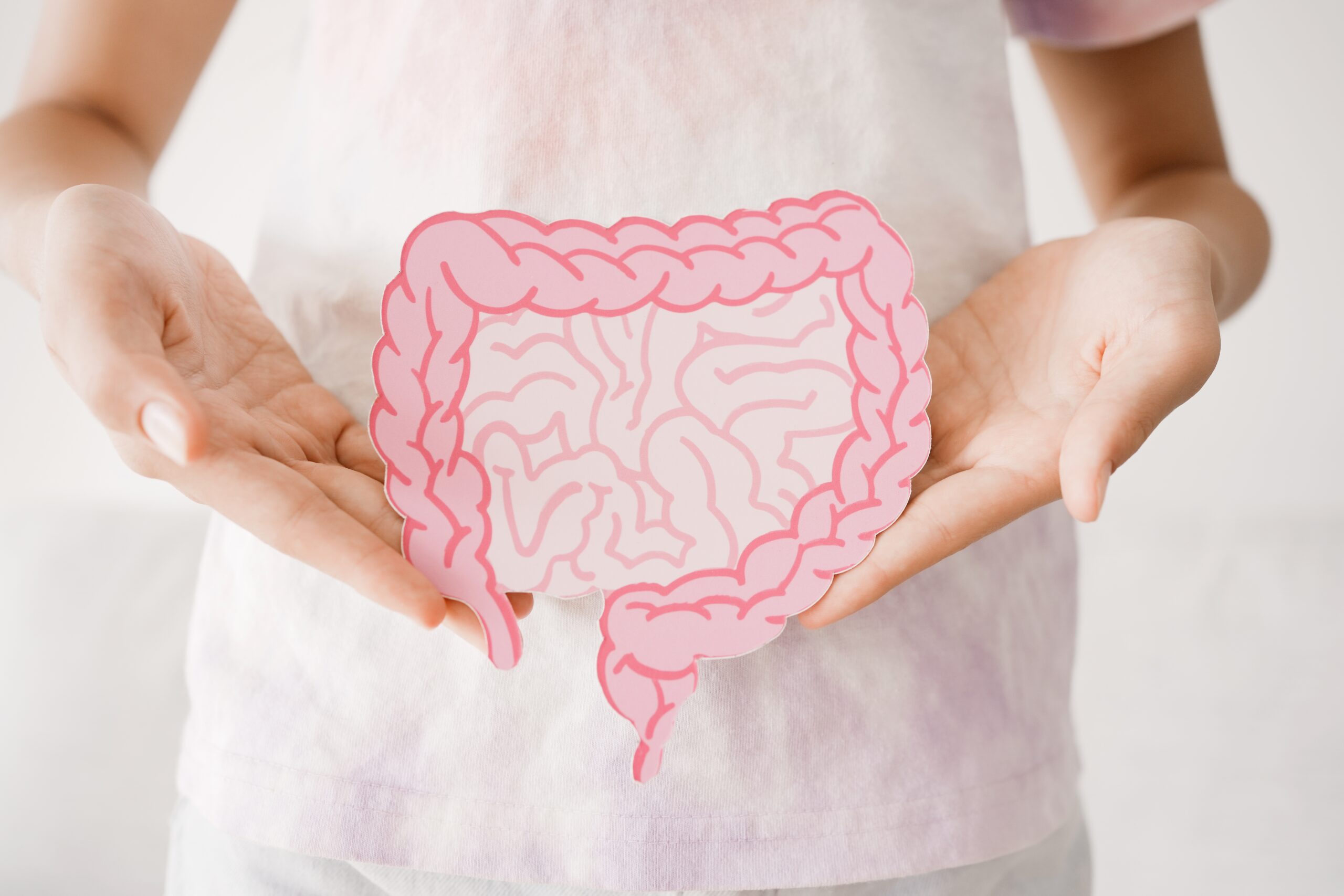
Leaky gut syndrome suggests your intestinal lining develops microscopic holes, transforming from a secure barrier into something resembling a sieve. The theory holds that common pain relievers, antibiotics, processed foods, and alcohol damage tight junctions between intestinal cells, permitting bacteria, toxins, and undigested food particles to escape into your bloodstream. This invasion supposedly triggers inflammation and a cascade of symptoms ranging from fatigue and bloating to skin problems and joint pain. Yet no medical organization recognizes this as an independent condition. The concept emerged from alternative medicine circles in the 1980s and exploded across wellness blogs in the 2010s, creating a divide between true believers and skeptical scientists.
Pills Under Scrutiny
NSAIDs like ibuprofen and aspirin top the list of pharmaceutical suspects. These over-the-counter staples reduce inflammation by inhibiting enzymes, but they also irritate the gastrointestinal tract’s protective mucous layer. Chronic use can erode this barrier, potentially increasing intestinal permeability. Antibiotics face similar accusations—they indiscriminately kill beneficial gut bacteria along with harmful strains, disrupting the delicate microbial balance that helps maintain gut integrity. Proton pump inhibitors for heartburn and certain antidepressants have also drawn scrutiny. The Canadian Digestive Health Foundation acknowledges these medications as risk factors, though mainstream gastroenterologists emphasize that permeability changes occur in diagnosed diseases like Crohn’s, not as standalone syndromes.
Common drugs, foods, and beverages can disrupt the integrity of our intestinal barrier, causing a leaky gut. https://t.co/tYjvjhxDBW pic.twitter.com/MMa1MzzZ4m
— Michael Greger, M.D. (@nutrition_facts) February 5, 2026
Food as Gut Saboteur
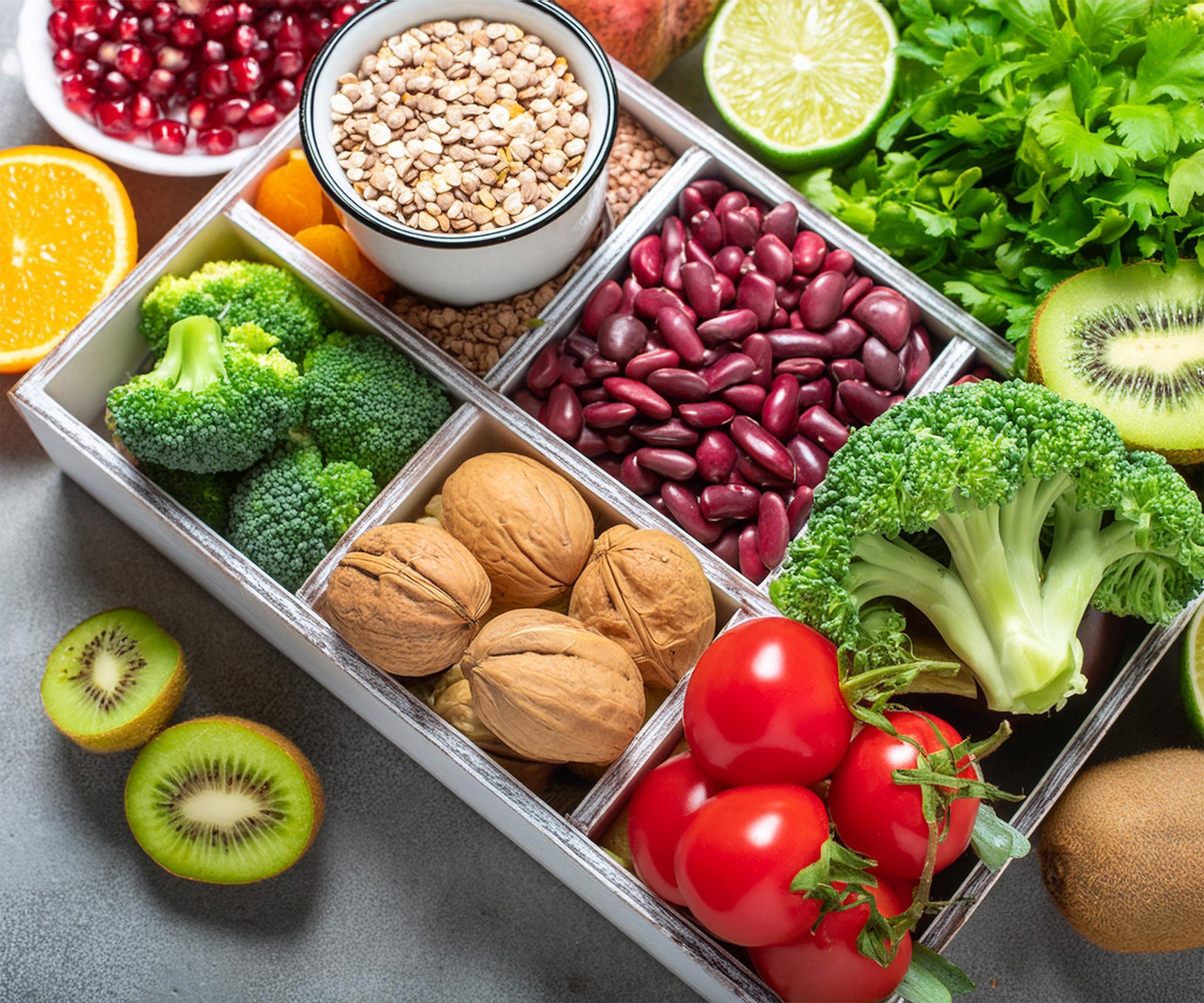
The Western diet stands accused as a primary accomplice. High-fat, high-sugar processed foods allegedly feed harmful gut bacteria while starving beneficial microbes, creating dysbiosis. This imbalance may weaken the intestinal barrier through inflammatory pathways. Alcohol acts as a direct chemical irritant, damaging gut lining cells on contact. Emulsifiers and artificial additives in packaged foods face accusations of disrupting the protective mucus layer. However, scientists remain cautious about declaring causality. UCLA Health notes poor diet as a suspected cause, but Cleveland Clinic emphasizes that research hasn’t proven whether permeability changes cause disease or merely accompany existing gastrointestinal conditions. The distinction matters enormously for treatment approaches.
Meet My Healthy Doc – instant answers, anytime, anywhere.
The Medical Establishment Pushes Back
Gastroenterologists dismiss leaky gut syndrome as medical folklore lacking diagnostic criteria. WebMD reports that mainstream physicians don’t recognize it as a formal diagnosis because no validated tests exist to measure it independently of known diseases. Cleveland Clinic bluntly states the theory that intestinal permeability develops as an independent condition remains unconfirmed. A 2024 National Institutes of Health review went further, labeling leaky gut syndrome a myth in formal medical terms. Experts acknowledge that intestinal hyperpermeability occurs in celiac disease, inflammatory bowel disease, and diabetes, but they argue it’s a symptom, not a cause. This distinction undermines the entire premise that fixing gut permeability through diet or supplements treats the root problem rather than addressing underlying disease.
Watch:
The Wellness Industry Opportunity
While academic medicine demands more evidence, alternative health practitioners have built a cottage industry around leaky gut syndrome. Wellness websites promote specialized diets, probiotic supplements, bone broth, and elimination protocols as remedies. Private clinics offer unvalidated testing and treatment programs, often at substantial cost. The economic incentives are obvious—millions of people with unexplained symptoms like fatigue, bloating, and skin issues desperately seek answers that conventional medicine hasn’t provided. The leaky gut explanation offers both a villain (pills and processed food) and hope (dietary fixes).
The scientific consensus calls for treating documented gastrointestinal diseases rather than chasing an unvalidated syndrome. Reputable institutions recommend addressing conditions like IBD, celiac disease, or bacterial overgrowth when diagnosed, rather than self-treating for leaky gut. Responsible NSAID use, limiting alcohol, and improving diet quality benefit overall health regardless of permeability concerns. The fundamental question remains unanswered: does increased intestinal permeability cause widespread illness, or does illness cause permeability changes?
Got a health question? Ask our AI doctor instantly, it’s free.
Sources:
WebMD: Leaky Gut Syndrome
Canadian Digestive Health Foundation: What is Leaky Gut Syndrome?
UCLA Health: Poor Diet One Suspected Cause of Leaky Gut Syndrome
Cleveland Clinic: Leaky Gut Syndrome
ZOE: What is Leaky Gut
National Institutes of Health: Leaky Gut Research Review