
Scientists discovered that people who ate fully unprocessed foods consumed 57 percent more food by weight yet slashed 330 calories daily compared to those eating ultra-processed items.
Story Snapshot
- University of Bristol researchers reanalyzed a U.S. clinical trial showing people on whole-food diets ate significantly more by weight but consumed 330 fewer calories daily than ultra-processed food eaters
- Participants intuitively loaded up on fruits and vegetables—low-calorie, nutrient-dense foods—while avoiding calorie-heavy options like steak and pasta to meet micronutrient needs
- Ultra-processed foods disrupt this natural nutritional intelligence through fortification and hyper-palatability, causing overeating of roughly 500 extra calories per day
- The findings challenge standard diet advice that emphasizes eating less, suggesting eating more of the right foods naturally reduces calorie intake without deliberate restriction
The Counterintuitive Weight Loss Discovery
Professor Jeff Brunstrom and his University of Bristol team uncovered something remarkable when they dug back into data from Dr. Kevin Hall’s landmark NIH clinical trial. Twenty participants ate either exclusively unprocessed whole foods or only ultra-processed foods in controlled settings. Those on whole foods piled their plates with 57 percent more food by weight yet walked away having consumed 330 fewer calories. No calorie counting. No portion anxiety. Just natural food selection doing the heavy lifting.
Why Your Brain Craves Watermelon Over Steak
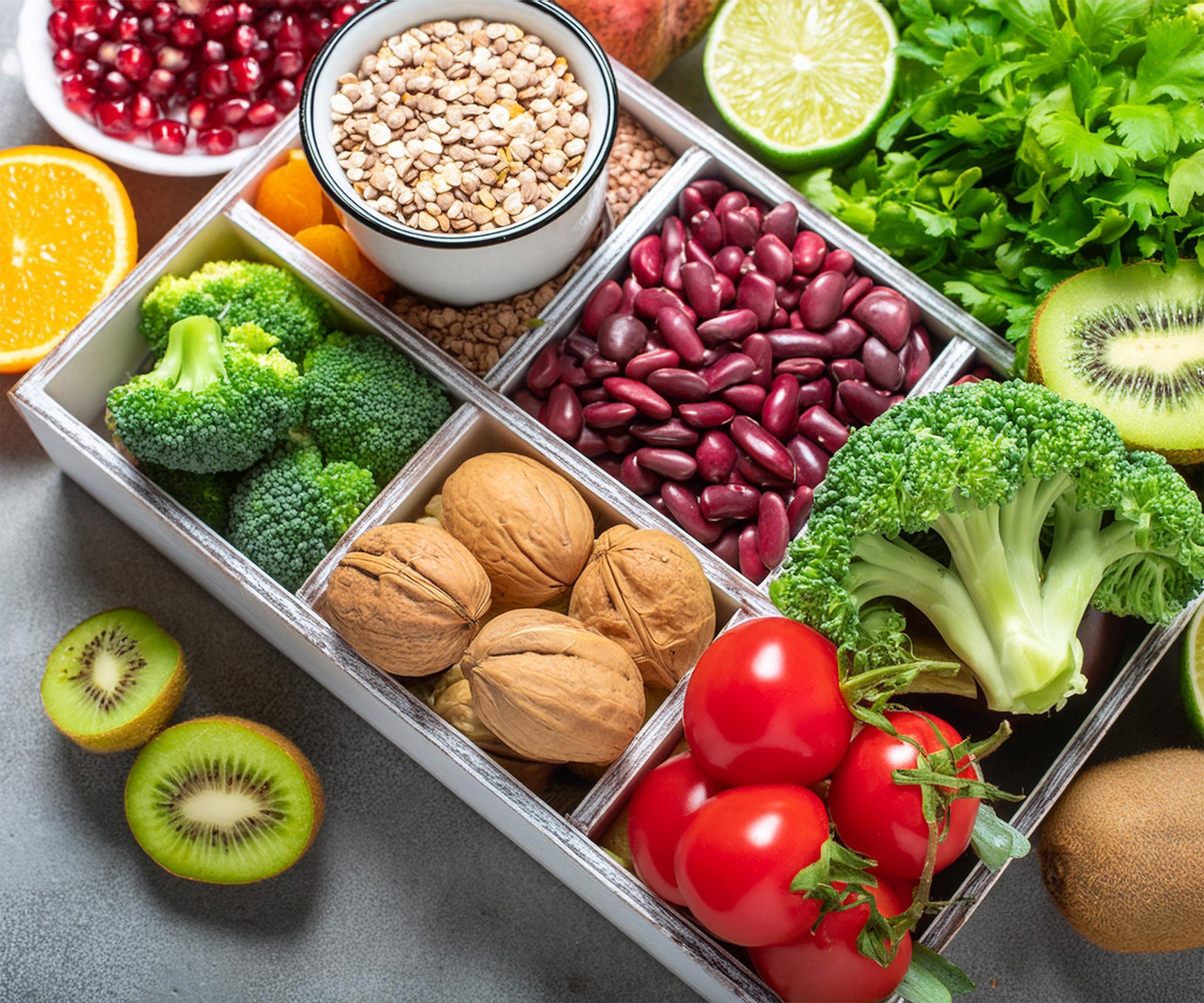
The research team discovered what they call nutritional intelligence, an innate human ability to balance enjoyment, nutrition, and fullness while minimizing energy intake. When participants chose unprocessed foods, they gravitated toward fruits and vegetables—foods packed with vitamins and minerals but light on calories. They instinctively avoided calorie-dense whole foods like red meat, rice, and pasta to fill micronutrient gaps. This wasn’t a conscious strategy. People simply made smarter decisions when faced with real food rather than factory-engineered products.
This simple diet shift cut 330 calories a day without smaller meals
Free, Full Paper: https://t.co/8kjjxbaCg5 https://t.co/JBlhdRjh2h
— J P Fanton (@HealthyFellow) February 6, 2026
The Ultra-Processed Food Trap
Dr. Annika Flynn, senior research associate at Bristol, warns that ultra-processed foods obliterate the beneficial trade-off between calories and micronutrients. These factory-made items arrive fortified with vitamins and minerals, tricking your nutritional radar. Meanwhile, their engineered palatability and convenience drive you to consume roughly 500 extra calories daily, as Hall’s original NIH study demonstrated. You get both calorie overload and nutrient abundance simultaneously, short-circuiting the body’s natural regulatory system that would otherwise guide you toward lower-calorie, nutrient-rich options.
Meet My Healthy Doc – instant answers, anytime, anywhere.
Watch:
What This Means for Your Kitchen
Mark Schatzker, co-author and writer behind The Dorito Effect and The End of Craving, explains that fruits and vegetables prevent nutritional insufficiencies without packing on calories. Dr. Jennifer Brown, an obesity physician, notes that weaning off ultra-processed foods makes weight management considerably easier, though she acknowledges the study’s small sample size of twenty participants demands replication in larger trials. The practical takeaway remains straightforward: swap processed snacks and meals for whole foods and your body handles the calorie mathematics automatically.
The implications ripple beyond individual waistlines. If this nutritional intelligence proves consistent across larger populations, public health campaigns could pivot from restriction messaging to abundance messaging—eat more produce, trust your instincts, let processed foods fade from your cart. The food industry faces pressure too, as consumers armed with this knowledge may demand fewer ultra-processed options and more access to affordable fresh produce. Grocery store layouts, restaurant menus, and dietary guidelines could all shift toward celebrating volume and variety in whole foods rather than obsessing over portion sizes and calorie labels.
Chat safely, anytime, with My Healthy Doc.
Sources:
ScienceDaily – This simple diet shift cut 330 calories a day without smaller meals
HealthandMe – Ultra-Processed Foods May Add 330 Extra Calories A Day, Study Finds
University of Bristol – Sticking to a wholefood diet means you really can eat much more
Fox News – People lost weight while eating significantly more food: Here’s the secret
SciTechDaily – This Subtle Dietary Shift Led to 330 Fewer Daily Calories Without Eating Less