

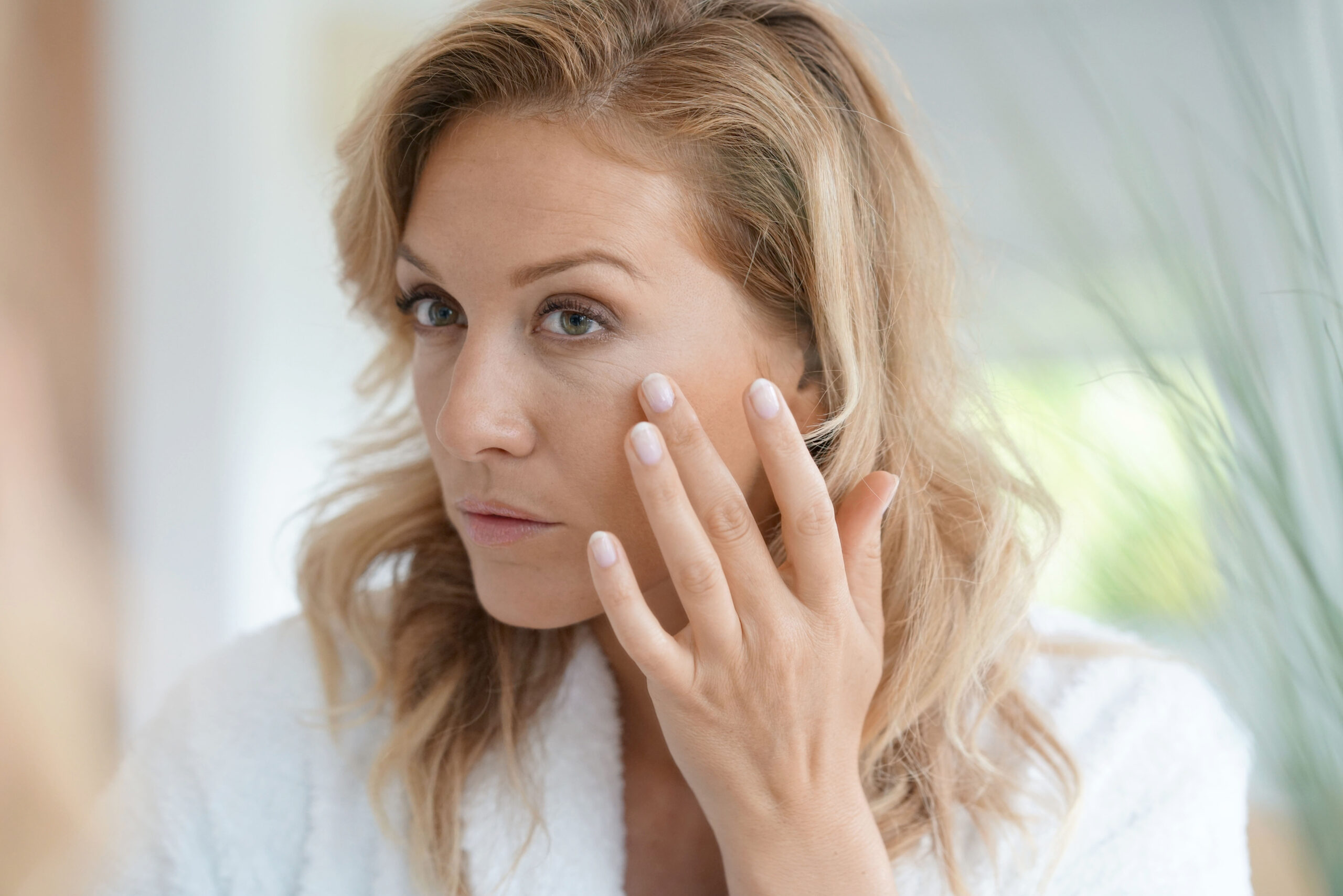
If you suddenly notice new fine lines staring back at you in the mirror, brace yourself: the culprit might not be what the beauty industry has been telling you for decades—and the deeper you dig, the more the whole anti-aging circus starts to look like one big, expensive distraction from the real problem.
At a Glance
- Fine lines appear not just from aging or genetics, but from environmental factors like pollution, UV exposure, and lifestyle choices.
- Recent research highlights that dehydration, stress, and even poor lighting can make fine lines look much worse—sometimes overnight.
- The anti-aging industry has exploded, but many “miracle” creams are no match for simple sun protection and not smoking.
- Experts agree: prevention is far more effective (and less expensive) than chasing after the latest cosmetic product or procedure.
The Real Story Behind Fine Lines—And Why the Usual Suspects Keep Getting Away With It
Fine lines and wrinkles have been part of the human condition for as long as anyone can remember, but let’s be honest: in modern America, nothing is sacred unless someone can slap a price tag on it. We’ve got an entire industry promising to “erase” the visible signs of aging, while quietly cashing in on our insecurities. Meanwhile, the actual science says the root causes go way beyond how many birthdays you’ve celebrated. Collagen and elastin—the proteins that keep skin firm—start breaking down as we age, sure, but it’s the relentless assault from UV rays, pollution, and bad habits like smoking that really put the pedal to the metal.
"imagine in ten years you just take a pill for 4 weeks and you get younger"
Biologist David Sinclair says rejuvenation could soon be as simple as taking a pill
AI-designed molecules may replace expensive gene therapies, delivering the same age-reversing effect pic.twitter.com/FrQmKyVBpA
— Haider. (@slow_developer) June 29, 2025
Think about it: every time you walk to your car, squint at your phone, or forget to drink enough water, your skin is under attack. Dermatologists have been sounding the alarm for years, warning that sun exposure and pollution are the real villains. But there’s no money in telling people to wear a hat and quit smoking—so the marketing machine keeps churning out another “miracle serum” every quarter. If you’re tired of feeling like your wallet is the only thing getting thinner, you’re not alone.
Watch a report: Tips for Reducing Fine Lines and Deep Wrinkles
How Lifestyle and Environment Are Turning Everyone Into a Customer
So what’s changed? For one, science has finally caught up to what common sense has been hinting at for decades: the environment you live in and the choices you make are at least as important as your DNA. Research now points to things like reactive oxygen species (that’s science-speak for the junk pollution and sunlight dump into your skin) and enzymes called matrix metalloproteinases, which eat away at your collagen every time you forget sunscreen or step out into city smog. Even the so-called “healthy” habit of making expressive faces can contribute to fine lines, especially around the eyes and mouth, where skin is naturally thinner and more vulnerable.
Hydration, or rather the lack of it, can make fine lines look like a topographical map overnight. Stress, poor sleep, and yes, even the wrong kind of makeup or lighting, can exaggerate every crease and shadow. The kicker? While the anti-aging aisles get longer and pricier, the real fixes—sun protection, not smoking, and drinking water—are simple, cheap, and suspiciously unsexy. Apparently, being responsible just doesn’t fit the marketing plan.
The Anti-Aging Industry: Selling Hope While Ignoring the Obvious
Let’s take a look at the so-called “solutions” flooding the market. Every few years, some new ingredient is hyped as the next fountain of youth: retinoids, antioxidants, miracle peptides. But here’s what most dermatologists will tell you, if you can get them away from the cameras: prevention beats reversal every time. Topical retinoids and antioxidants can help, but if you’re still baking in the sun or lighting up a cigarette, you’re just throwing good money after bad. The industry would rather sell you an endless parade of creams than admit the old-school advice—sunscreen, healthy living—actually works.
Meanwhile, the societal pressure to stay “youthful” at any cost has reached fever pitch, especially as more people see their faces reflected in high-definition on Zoom calls. We’re told to fear every new line, while ignoring the fact that aging is both natural and inevitable. The real crime isn’t getting older—it’s being told you have to bankrupt yourself to hide it, while the corporations cash in on your anxiety.
Who Profits, Who Pays, and Who’s Left Wondering What Happened
The winners in this game are easy to spot: the cosmetic giants, the marketing agencies, and the influencers who cash free products for every “life-changing” serum. The losers? Everyday Americans, especially those feeling the squeeze of inflation and rising healthcare costs, who are told the only way to stay relevant is to keep spending. And let’s not forget the healthcare system, which picks up the tab for skin cancers and other disorders that could have been prevented with basic sun safety—if anyone had bothered to promote it over profit.