
Scientists have uncovered nature’s own pharmacy hidden in pollen, revealing how God’s design provides honeybees with built-in medicine to survive deadly threats.
Story Highlights
- Natural bacteria in pollen create antimicrobial compounds that protect bees from deadly pathogens
- Discovery reveals symbiotic relationship between Streptomyces bacteria and bee health
- Finding could reduce reliance on chemical pesticides and government agricultural regulations
- Natural solution aligns with conservative principles of working with nature rather than against it
Nature’s Pharmacy Discovered in Pollen
Researchers have identified a remarkable natural defense system within pollen that provides honeybees with essential medicine. Symbiotic bacteria called Streptomyces live within pollen grains and produce powerful antimicrobial compounds. These naturally occurring substances help bees fight off deadly pathogens that threaten both bee colonies and plant health, demonstrating an intricate biological partnership that has existed for millennia without human intervention.
Symbiotic Bacteria Offer Protection Against Disease
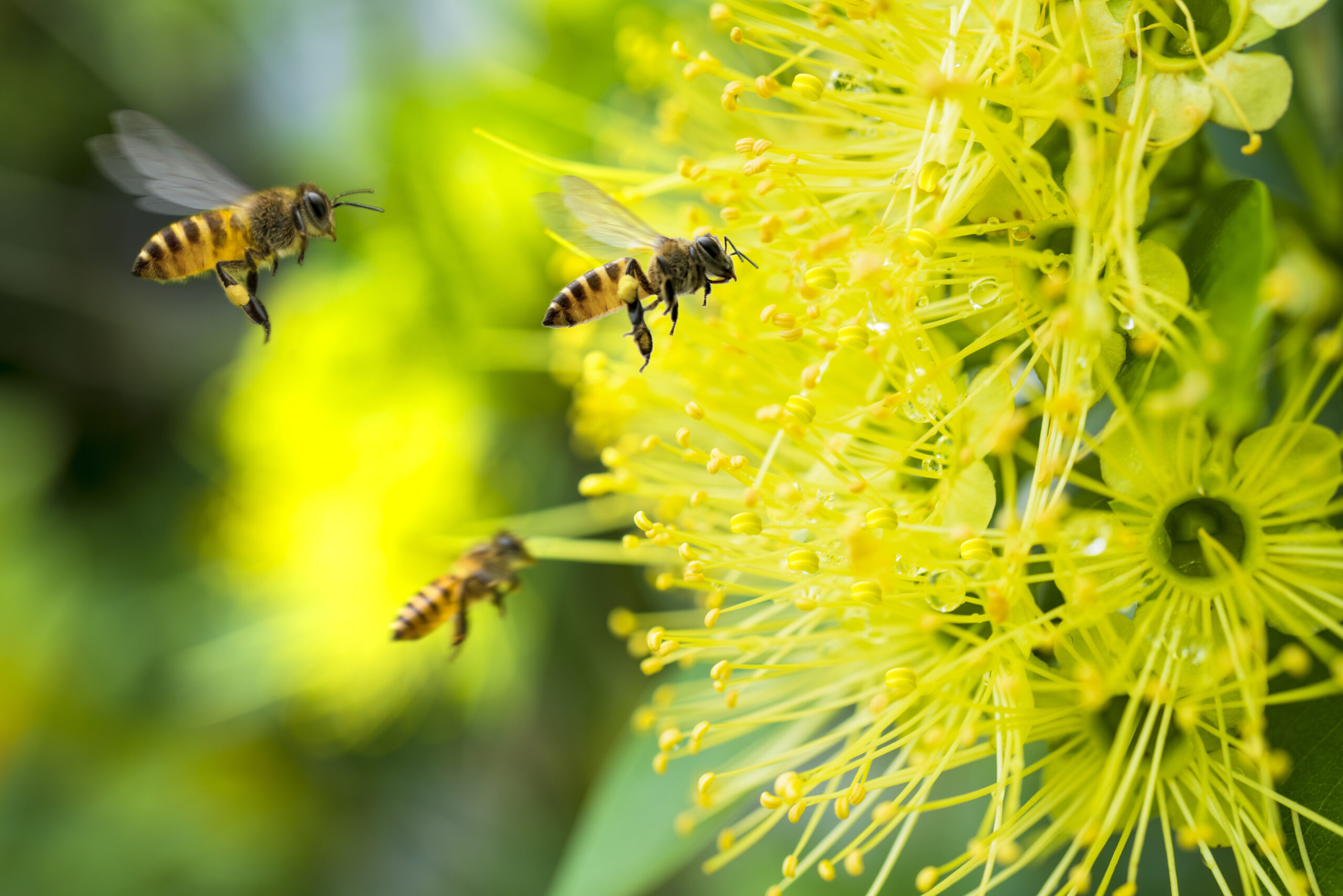
The Streptomyces bacteria found in pollen create a sophisticated defense network that benefits both bees and plants. When bees collect pollen, they inadvertently consume these beneficial microorganisms, which then produce antimicrobial compounds within their systems. This natural process helps protect bee colonies from diseases that have devastated populations in recent years, offering hope for sustainable beekeeping practices that don’t rely on synthetic chemicals or costly government programs.
Pollen holds a secret that could save honeybees https://t.co/kotYKDJrte
— Zicutake USA Comment (@Zicutake) September 30, 2025
Implications for Conservative Agricultural Values
This discovery reinforces conservative principles about working with natural systems rather than imposing heavy-handed regulatory solutions. The finding suggests that nature already provides mechanisms to protect pollinators without requiring expensive government interventions or restrictive pesticide bans. For farmers and beekeepers who value self-reliance and traditional practices, this research validates approaches that harness natural processes rather than depending on bureaucratic oversight and artificial chemical solutions that often create more problems than they solve.
The research opens new possibilities for supporting bee health through natural means, potentially reducing costs for agricultural producers while maintaining productive farming operations. This aligns with conservative values of supporting hardworking farmers and ranchers who feed America.