

A new outbreak of the chikungunya virus raises alarms, questioning U.S. preparedness against a potential health threat.
Story Highlights
- The CDC issues a Level 2 travel alert for Cuba and Guangdong Province, China.
- Over 10,000 cases have been reported in China, with rapid spread to neighboring regions.
- No locally transmitted cases in the U.S. since 2019, yet concerns about importation persist.
- Emphasis on enhanced precautions and traveler education to prevent U.S. spread.
Chikungunya Virus Outbreak Alarms Health Officials
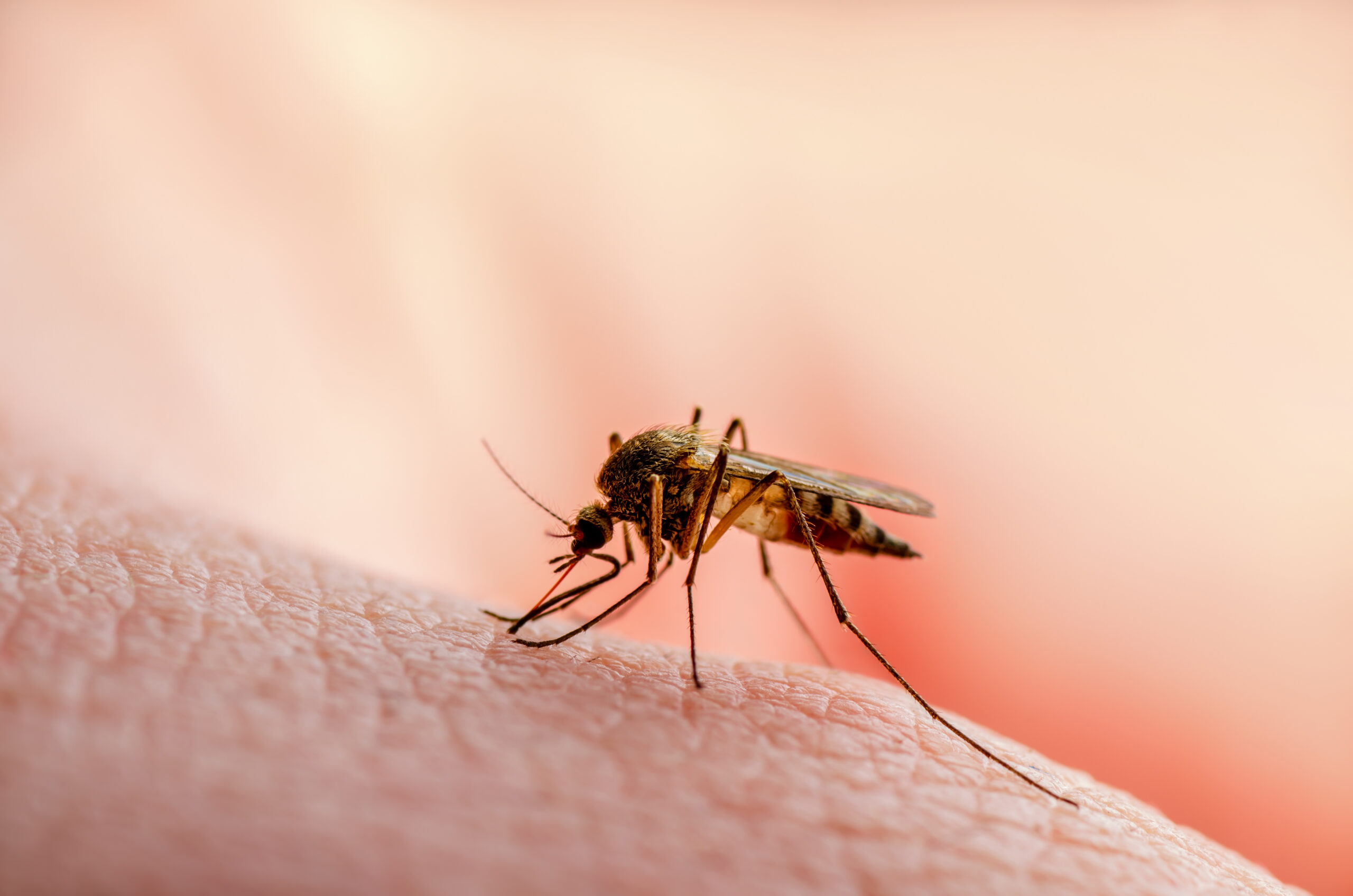
The Centers for Disease Control and Prevention (CDC) has issued a Level 2 travel alert for Cuba and Guangdong Province, China, following a significant outbreak of the chikungunya virus. The virus is transmitted by Aedes mosquitoes, which are also responsible for spreading Zika and dengue, causing severe joint pain and fever. Over 10,000 cases have been reported in China, with outbreaks spreading to regions including Foshan, Macao, and Hong Kong.
U.S. health officials are particularly concerned about the potential for travelers to import the virus back into the country. Although no locally transmitted cases have been reported in the U.S. since 2019, the risk of importation remains significant due to the high volume of international travel. The CDC’s travel alert emphasizes the need for enhanced precautions and increased awareness among travelers, especially those with underlying health conditions or who are pregnant.
Mosquito-borne chikungunya virus that triggered panic in China possibly detected in NY https://t.co/dMGUIT8vE0 pic.twitter.com/dOkVkgwNov
— New York Post (@nypost) September 26, 2025
Global and Local Health Responses
The World Health Organization (WHO) and the CDC are actively monitoring the situation, providing guidance and coordinating with national health agencies. Local health authorities in China and Cuba are implementing containment measures, including public health campaigns and vector control efforts. These actions aim to minimize the spread, yet the virus’s similarity to dengue and Zika complicates diagnosis and surveillance efforts.
Experts warn that climate change and increased global travel may exacerbate the spread of mosquito-borne diseases like chikungunya. The lack of a widely available vaccine or specific treatment further increases the urgency for effective vector control and traveler education. Health officials stress the importance of these measures to prevent the virus from establishing local transmission in new regions.
Health officials are looking into a suspected case of chikungunya virus, a mosquito-borne illness rarely seen in the United States. Watch What You Need to Know, streaming now on @DisneyPlus. https://t.co/4BupigZBVs[…]-TW-Awareness-Announce-US-DisneyPlus-NA-EN-SocialPost-NA-NA pic.twitter.com/EjRTxaTV4B
— ABC News (@ABC) September 26, 2025
Potential Impacts and Economic Concerns
The outbreak poses significant short-term risks to travelers and could strain health systems in affected regions. Economically, travel advisories and reduced tourism are expected to impact local economies, causing disruptions. Socially, public health messaging may challenge authorities as they strive to maintain public confidence while addressing the outbreak.
In the long term, if imported cases are not contained, there is potential for the virus to establish local transmission in new areas, necessitating ongoing public health vigilance. The situation highlights the critical need for robust public health infrastructure and international cooperation to mitigate the risk of global outbreaks effectively.
Sources:
“Deadly mosquito-borne virus sparks CDC travel alert — could it reach the US?” – Fox News
“US warns travelers about chikungunya virus, mosquitoes in China” – CBS News
CDC Chikungunya Data & Maps
CDC Zika Virus Geographic Distribution