
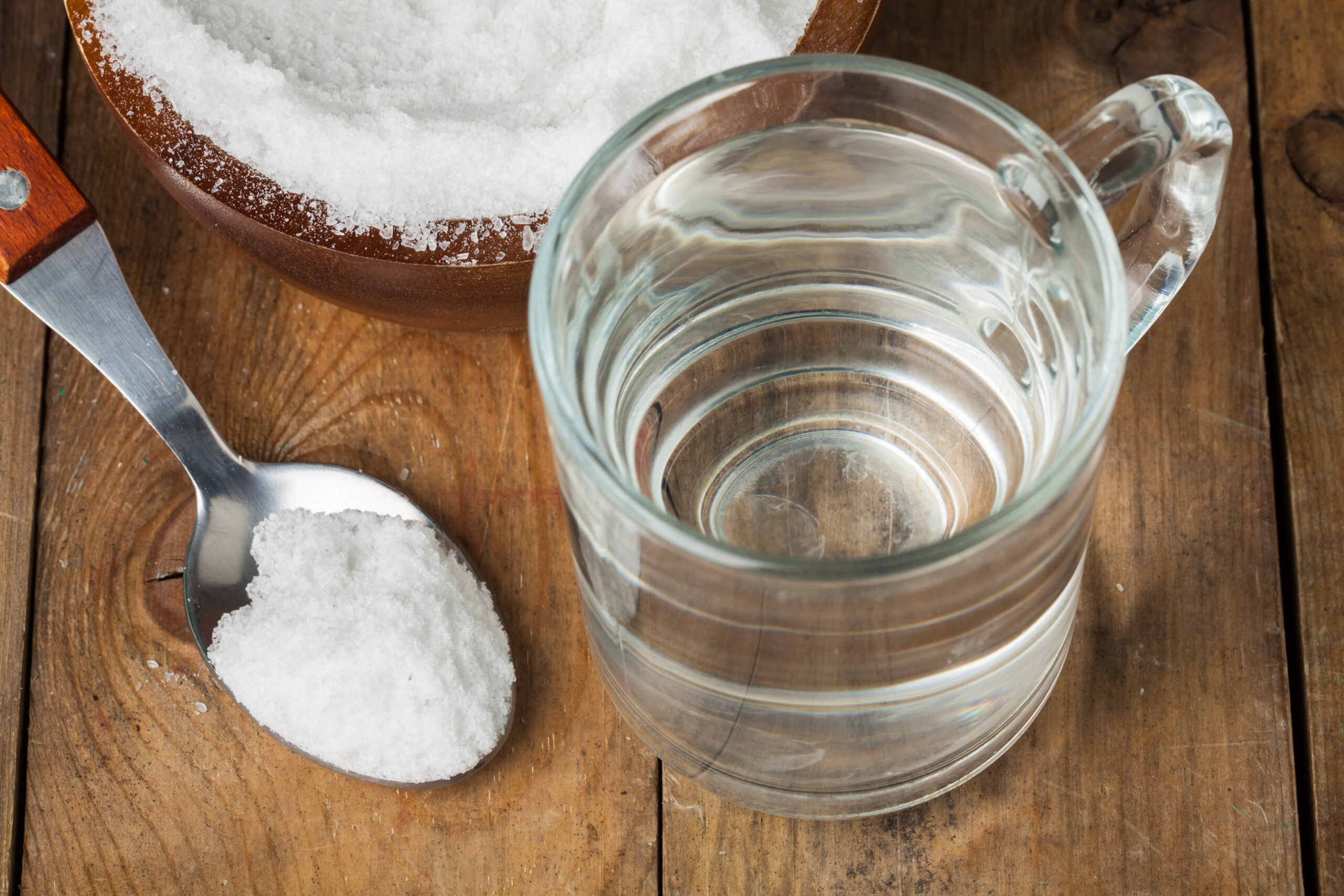
What if the viral beauty hack promising flawless skin is actually corroding your face—one scrub at a time?
Story Snapshot
- Baking soda skin care hacks on TikTok and Instagram are causing widespread skin damage, not miracles.
- Dermatologists universally warn that baking soda disrupts skin’s pH and destroys its protective barrier.
- Social media algorithms amplify risky DIY trends, outpacing expert warnings and medical advice.
- Evidence-based, safer alternatives exist, but misinformation often drowns them out.
Viral Baking Soda Hacks: From Kitchen Cleaner to Facial “Cure”
Late-night scrolling delivers a thousand beauty secrets, but few have exploded like the baking soda skin care craze. It began innocently: influencers mixing a kitchen staple with water, coconut oil, or even Vaseline, dabbing foamy concoctions across their faces. Claims of erased dark spots, vanished acne, and radiant complexions flooded TikTok and Instagram, captivating teens and penny-pinching adults alike. Yet, as these hacks went viral, dermatologists saw a surge in patients with red, inflamed, and painfully dry skin—the real legacy of these trends.
Watch: Unlocking the Secret of Baking Soda for Clear Skin – YouTube
Experts Sound the Alarm: The Science Behind the Warnings
Baking soda’s appeal makes sense—cheap, accessible, and already trusted for household cleaning. But skin is not a countertop. Dermatologists, including Dr. Pooja Sodha of George Washington University, explain that baking soda’s high alkalinity strips the skin’s natural acid mantle, which is essential for moisture retention and protection against bacteria. Over time, this disruption leads to dryness, sensitivity, redness, and breakouts. Dr. Elizabeth Houshmand, a Dallas dermatologist, warns that while baking soda may feel like it’s “deep cleansing,” it’s actually dismantling your skin’s defenses, sometimes after just one application.
Watch: Is Baking Soda Safe for Your Face? Dermatologist Explains | Dr. Rashmi Agrawal – YouTube
Safer Paths Forward: What Real Experts Recommend
Dermatologists agree on one point: there are proven, accessible alternatives to baking soda. Ingredients like salicylic acid, glycolic acid, and niacinamide offer safe exfoliation and acne relief, backed by robust clinical research. These options protect skin health while delivering real results, but their benefits rarely go viral compared to the drama of DIY hacks. The enduring lesson is clear—when it comes to skin care, evidence and expertise are worth far more than a trending hashtag. Protecting your skin barrier is not just the smartest trend; it’s the only one that stands the test of time.