
The surprising link between COVID-19 mRNA vaccines and improved cancer survival rates may change the landscape of cancer treatment forever.
Story Highlights
- COVID-19 mRNA vaccines significantly boost survival in lung and skin cancer patients.
- The vaccines prime the immune system in a powerful, nonspecific way.
- This discovery could revolutionize cancer treatment strategies.
- Further studies are needed to understand the underlying mechanisms.
The Unexpected Connection
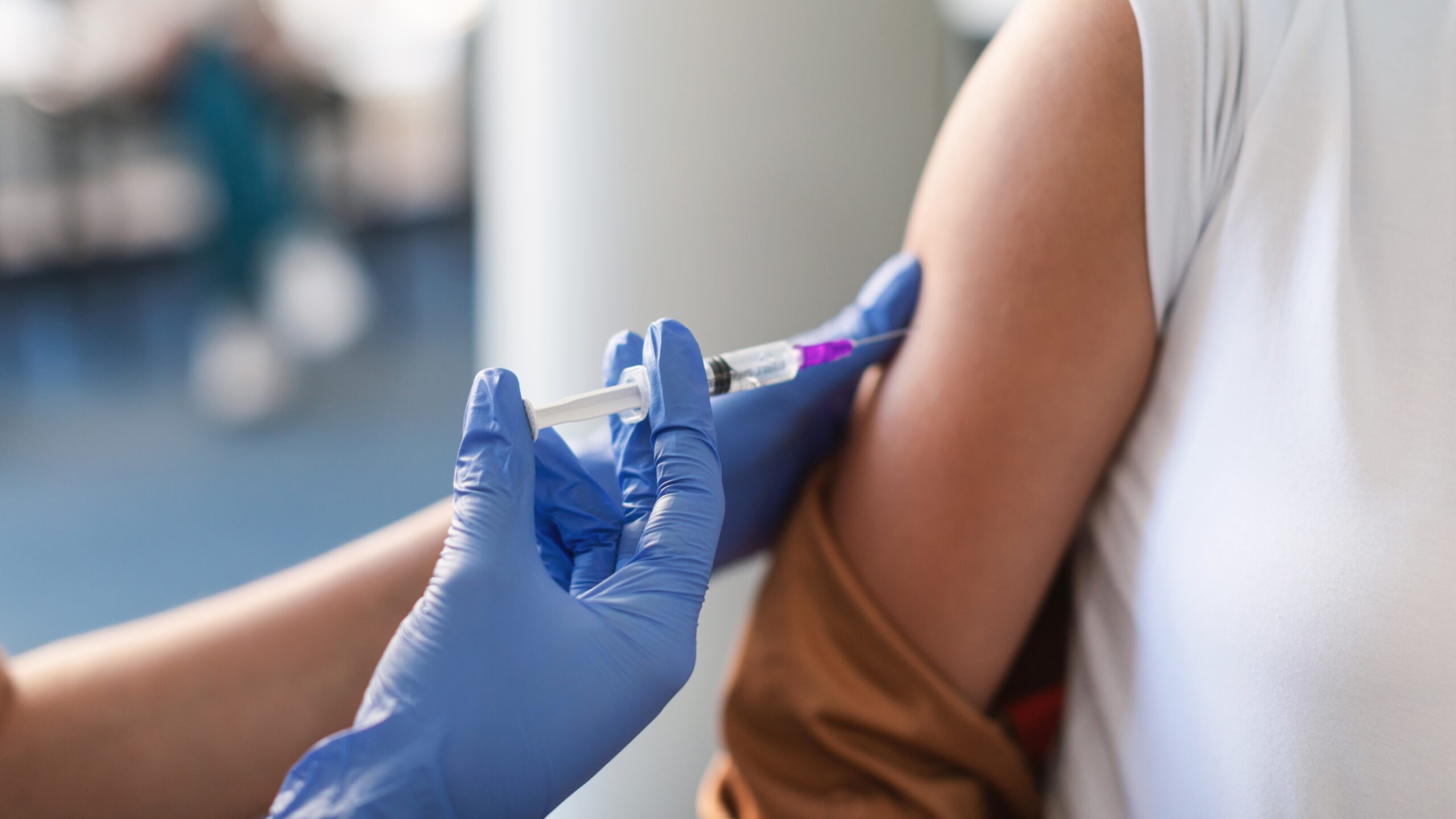
Recent research has uncovered a remarkable benefit of COVID-19 mRNA vaccines: a significant increase in survival rates for patients with lung and skin cancer undergoing immunotherapy. This unexpected finding suggests that these vaccines do more than just protect against viral infections; they may also enhance the body’s ability to fight cancer. The vaccines appear to prime the immune system in a powerful, nonspecific way, boosting the efficacy of existing cancer treatments.
The implications of this discovery are potentially groundbreaking, offering a new avenue for improving cancer treatment outcomes. As scientists delve deeper into the mechanisms behind this phenomenon, the question arises: could mRNA vaccines be a valuable tool in the fight against cancer?
Watch: mRNA Covid vaccines may help some cancer patients fight tumours • FRANCE 24 English
Understanding the Mechanisms
The mRNA vaccines, originally designed to combat COVID-19, work by instructing cells to produce a protein that triggers an immune response. This response is not limited to the targeted virus alone. In cancer patients, the boosted immune system appears to enhance the body’s ability to recognize and attack cancer cells. Researchers believe this nonspecific immune activation could explain the improved survival rates observed in vaccinated cancer patients.
While the exact pathways remain unclear, the potential for mRNA vaccines to act as a complementary cancer therapy is an exciting prospect. Continued research is essential to fully understand how these vaccines interact with the immune system and to determine their broader applications in oncology.
Potential Impact on Cancer Treatment
The discovery of mRNA vaccines’ role in enhancing cancer survival rates could revolutionize current treatment strategies. By integrating these vaccines into existing cancer therapies, healthcare providers may significantly improve patient outcomes. This approach could be particularly beneficial for patients undergoing immunotherapy, where the immune system is already being harnessed to fight cancer.
Moreover, the relatively quick development and adaptability of mRNA technology may allow for personalized vaccines tailored to individual cancer profiles. This individualized approach could further enhance treatment efficacy and patient survival.
The Road Ahead
As with any groundbreaking discovery, further research is crucial to validate these findings and explore their full potential. Large-scale clinical trials are necessary to confirm the vaccines’ efficacy in diverse patient populations and to identify any possible side effects or contraindications. Researchers must also investigate the specific mechanisms through which mRNA vaccines enhance immune responses in cancer patients.
The future of cancer treatment may well include a role for mRNA vaccines, not only as a preventive measure against infectious diseases but also as a powerful adjunct to existing cancer therapies. This exciting development highlights the unforeseen potential of mRNA technology and its impact on human health beyond the scope of infectious disease prevention.
Sources:
https://ufhealth.org/news/2025/study-finds-covid-19-mrna-vaccine-sparks-immune-response-to-fight-cancer
https://www.sciencedaily.com/releases/2025/10/251027224837.htm