

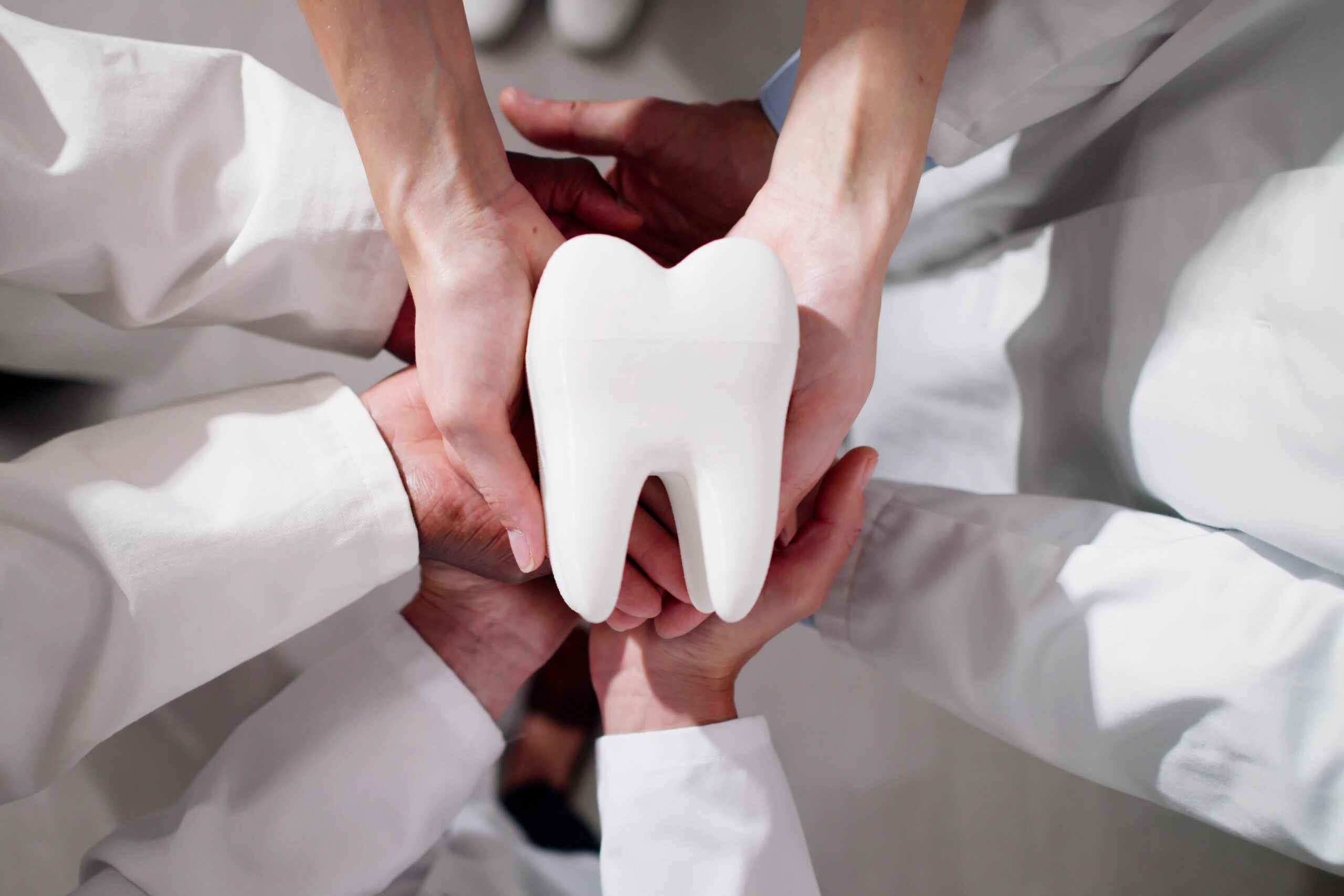
A silent epidemic in your mouth could be steering you toward a stroke faster than you think—a fact that turns every toothbrush into a potential life-saver.
Story Snapshot
- Adults with both cavities and gum disease face an 86% higher stroke risk.
- Two decades of research tie oral health directly to major cardiovascular events.
- Poor dental hygiene is more than a cosmetic concern—it’s a hidden threat to your brain.
- Simple daily habits may offer powerful protection against one of our biggest killers.
A Mouthful of Danger: Oral Health’s Link to Stroke
Thousands of adults tracked over twenty years revealed a startling truth: those burdened with both cavities and gum disease were nearly twice as likely to suffer a stroke compared to people with healthy mouths. This finding, drawn from long-term health records and rigorous statistical analysis, reframes the daily ritual of brushing and flossing as a vital defense against one of the deadliest medical emergencies. The scope of the research leaves little doubt—oral neglect is not just a dental issue but a ticking time bomb for vascular health.
Researchers observed that chronic infections in the gums and teeth trigger immune responses that, over years, may lead to fatty deposits and clots in arteries supplying the brain. The consequence is a sharply elevated risk of stroke—a condition where blood flow to the brain is suddenly blocked, often resulting in permanent disability or death. Stroke prevention, therefore, begins in places most Americans overlook: their toothbrush holder and dental appointments.
Cavities and gum disease could nearly double stroke risk https://t.co/ORzW1iOtQ5
— Zicutake USA Comment (@Zicutake) October 27, 2025
The Surprising Power of Daily Dental Habits
Brushing, flossing, and regular dental checkups emerge as frontline strategies not just for preserving smiles, but for safeguarding the brain itself. The study’s long-term design allowed researchers to control for confounding factors such as age, diet, smoking, and exercise—making the oral health-stroke connection especially robust. The message for people over forty is clear: small lapses in dental hygiene accumulate, quietly undermining vascular health year after year. The stakes are high, but the solutions are simple and accessible to anyone willing to invest five minutes a day in mouth care.
Watch:
Gum disease, often painless and slow-moving, remains underdiagnosed among older adults. Symptoms like bleeding gums, bad breath, and receding gums should prompt immediate attention—these warning signs are neither trivial nor isolated. Dentists stress that professional cleanings and routine examinations are non-negotiable for those who want to lower their risk, especially if they have other stroke risk factors like high blood pressure or diabetes. The mouth is a gateway, and what happens there echoes through every artery and organ.
A New Era in Stroke Prevention: Rethinking Risk Factors
Traditional stroke prevention focuses on controlling blood pressure, cholesterol, and lifestyle. This research adds oral health to the checklist, elevating it from a secondary concern to a core element of cardiovascular strategy. Public health campaigns may soon feature dental education alongside heart-healthy eating and exercise, as evidence mounts that interventions targeting gum disease and cavities can produce ripple effects throughout the body. For the millions who dread dental visits, the prospect of cutting stroke risk by nearly half may be the motivation needed to break old habits and embrace new routines.
Every reader over forty should consider their next dental appointment as a critical investment in brain health. The mouth, once dismissed as a separate silo of medicine, is now recognized as an integral part of the body’s vascular system. Advances in research continue to reveal connections that were invisible a generation ago, transforming the humble toothbrush into a tool for longevity and resilience. The lesson is clear: pay attention to your teeth and gums, and you may keep your mind—and your future—intact.
Sources:
A Step-by-Step Guide to Writing Compelling Introductions – Wordtune
How to Write an Introduction, With Examples | Grammarly
Introductions | Harvard College Writing Center
How to Write an Intro Paragraph That Hooks: 6 Tried & True Strategies