

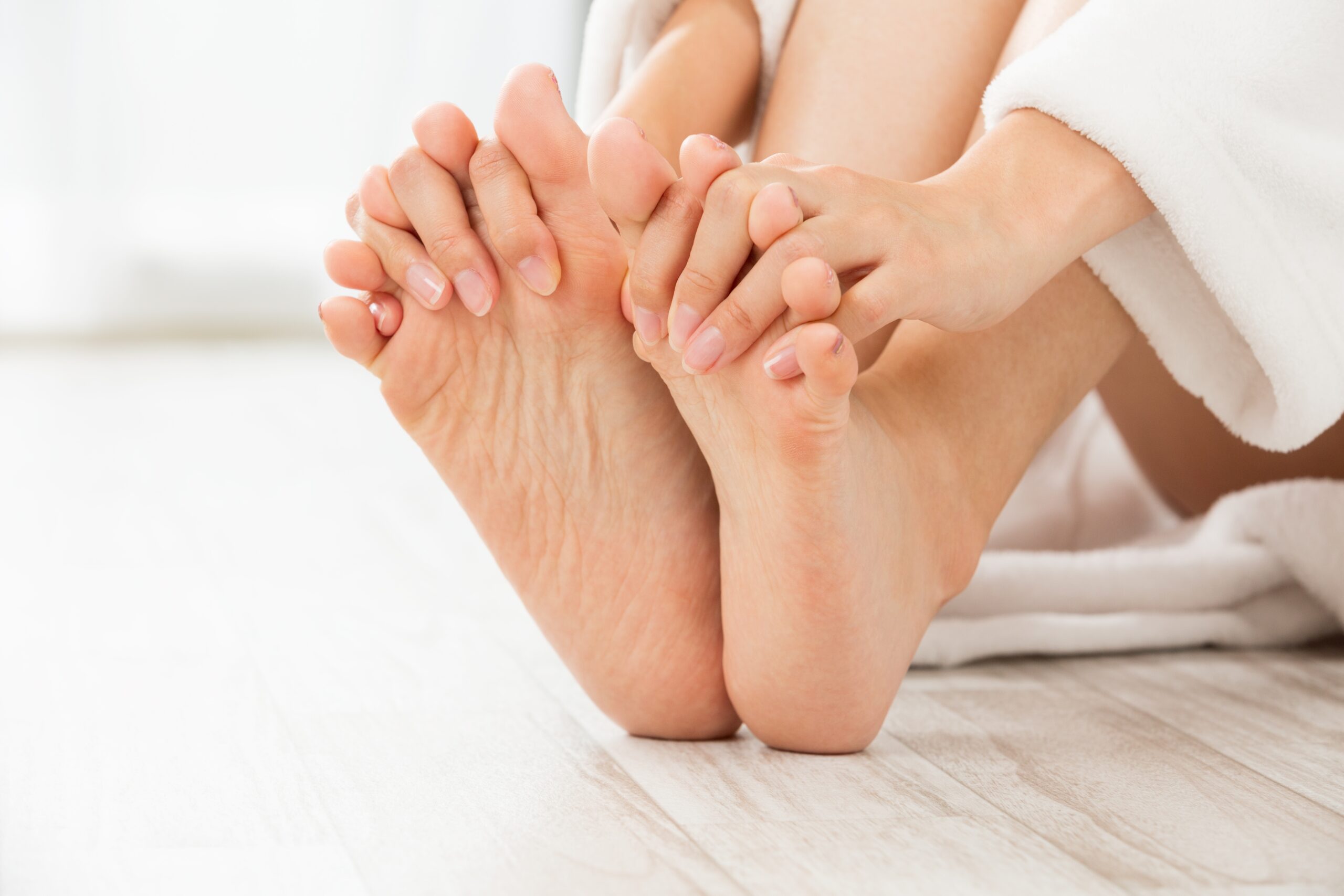
Your perpetually frozen fingertips might not be a quirk of your metabolism—they could be your body’s warning system for serious health problems you haven’t discovered yet.
Quick Take
- Cold hands and feet range from harmless responses to environmental temperature to red flags for diabetes, thyroid disease, and dangerous circulatory disorders
- Raynaud’s disease, affecting blood vessel function, remains the most common vascular cause and strikes women far more frequently than men
- Nutritional deficiencies in magnesium and vitamin B12 directly impair circulation and nerve function, creating cold extremities as a visible symptom
- Persistent cold extremities warrant professional medical evaluation to rule out peripheral vascular disease, heart failure, and metabolic dysfunction
When Cold Hands Stop Being Normal
Your body abandons your extremities during winter—that’s survival strategy, not disease. Vasoconstriction pulls blood toward vital organs when environmental temperature drops. But when your hands and feet stay ice-cold despite warm surroundings, or when they turn white, then blue, then red during routine activities, your body is broadcasting a different message entirely. Dr. Russell Rhoades from Internal Medicine warns that persistent cold extremities can indicate serious metabolic abnormalities including thyroid disease and peripheral vascular disease that demand professional investigation.
Why Are My Hands and Feet Cold? – The New York Times – … a professor of kinesiology at Brock University in Ontario. Advertisement. SKIP ADVERTISEMENT. Instead, hands and feet stay warm thanks to a dense … – https://t.co/s2ANwxOmei
— The Postdoctoral (@thepostdoctoral) December 2, 2025
The Raynaud’s Phenomenon: Your Blood Vessels Overreacting
Raynaud’s disease represents the most common vascular culprit behind cold extremities. Your blood vessels narrow excessively in response to cold temperatures or emotional stress, dramatically limiting blood flow to affected areas. The condition produces characteristic color progression—first pale as blood drains, then blue as oxygen depletes, then red as circulation returns—accompanied by numbness, tingling, or stinging sensations. Women experience Raynaud’s disease significantly more often than men, and prevalence increases in cold climates where the condition creates genuine functional limitations during everyday activities.
Poor Circulation: The Plumbing Problem Your Doctor Can’t Ignore
Blood that cannot efficiently flow through arteries or veins creates cold extremities as a direct consequence. Peripheral vascular disease, particularly affecting lower extremities, develops from blood vessel injury caused by diabetes or smoking—conditions that narrow arterial passages and reduce oxygen delivery to your hands and feet. In severe cases, congestive heart failure causes cold extremities as your compromised heart prioritizes blood supply to vital organs like your brain, leaving peripheral tissues underperfused and chilled.
Metabolic Disorders Masquerading as Cold Sensitivity
Hypothyroidism slows your entire metabolic engine, reducing heart rate and oxygen consumption throughout your body. The result: persistently cold hands and feet despite adequate environmental warmth. Diabetes attacks circulation through multiple pathways simultaneously—narrowing arteries, reducing blood flow to extremities, and accelerating atherosclerosis development. These metabolic disorders don’t announce themselves with dramatic symptoms; cold extremities often represent the first visible warning sign that something fundamental has shifted in your body’s chemistry. Need a doctor right now? Connect instantly through My Healthy Doc.
The Nutritional Deficiency Connection
Magnesium participates in over 300 enzymatic reactions throughout your body, including processes essential for proper muscle and nerve function. Deficiency impairs circulation and contributes directly to cold extremities. Vitamin B12 deficiency causes peripheral neuropathy—nerve damage manifesting as tingling, numbness, and cold sensations in extremities. Anemia, characterized by insufficient or unhealthy red blood cells, reduces oxygen delivery throughout your entire circulatory system, potentially causing cold feet as your tissues receive inadequate oxygenation. Get urgent help online – fast, secure, and reliable.
When to Demand Answers from Your Doctor
Environmental cold exposure causes normal physiological responses in healthy individuals. But persistent or unexplained cold extremities warrant professional medical assessment. Seek evaluation if cold hands and feet persist despite warm surroundings, if symptoms worsen progressively, if you experience color changes during episodes, or if cold extremities accompany other concerning symptoms like unexplained weight changes, fatigue, or skin changes. Don’t wait – see a doctor now through My Healthy Doc.
Sources:
Revere Health: What Deficiency Causes Cold Hands and Feet?
WebMD: Cold Feet Reasons
Mayo Clinic: Raynaud’s Disease Symptoms and Causes
Tua Saúde: Cold Hands and Feet
Healthline: Cold Feet and Hands
Prisma Health: When to Be Concerned About Cold Hands and Feet
Cleveland Clinic: Cold Hands
NHS: Raynaud’s
UChicago Medicine: Cold Hands Syndrome