
The 2025-2030 U.S. Dietary Guidelines propose a “historic reset” towards “real food,” sparking both praise and criticism.
Story Overview
- The guidelines emphasize animal protein, full-fat dairy, and “real food.”
- Critics argue the guidelines conflict with established science on saturated fats.
- Experts support reduced processed foods and added sugars.
- Implementation challenges and equity concerns arise for federal programs.
Introduction of the “Historic Reset”
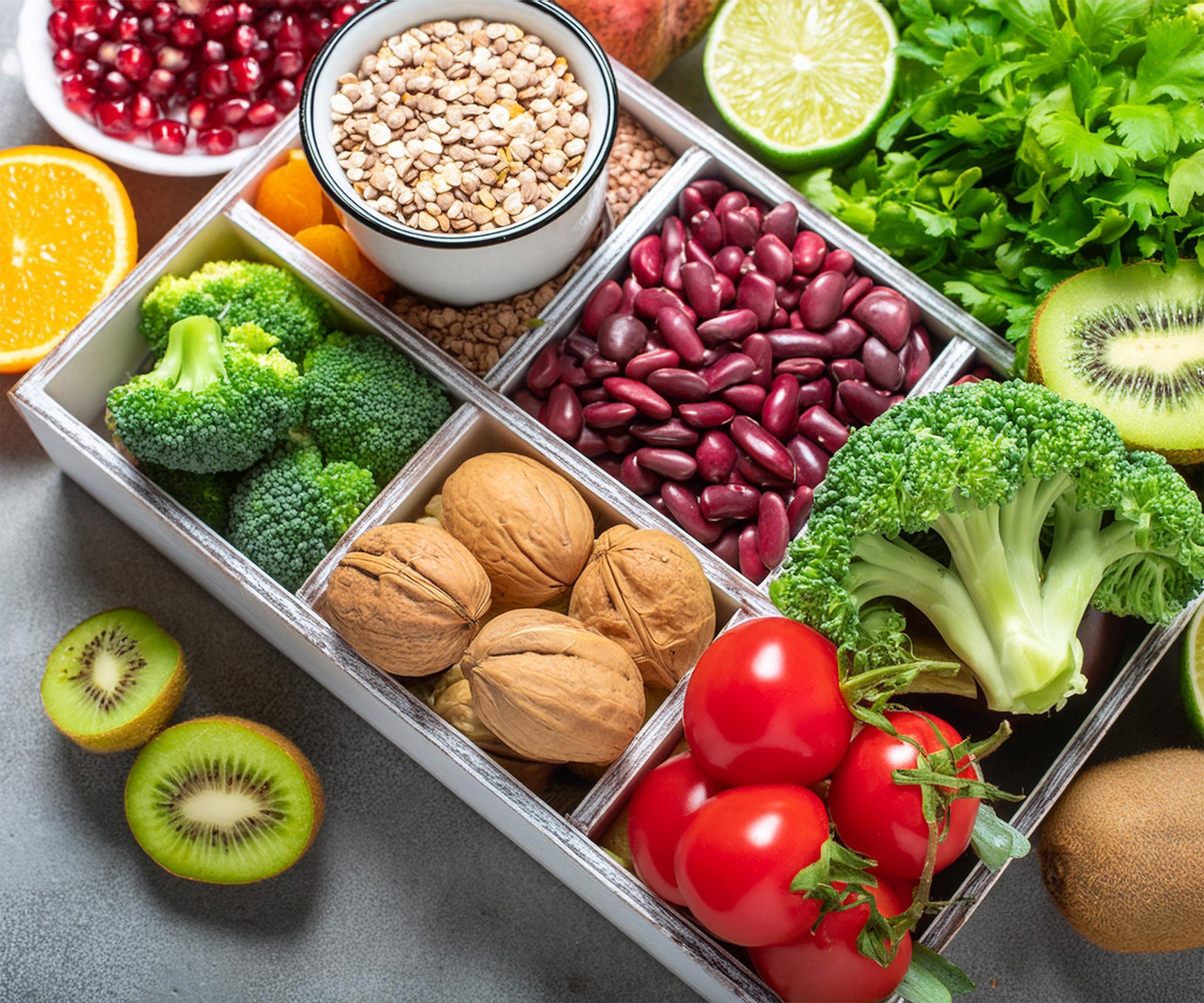
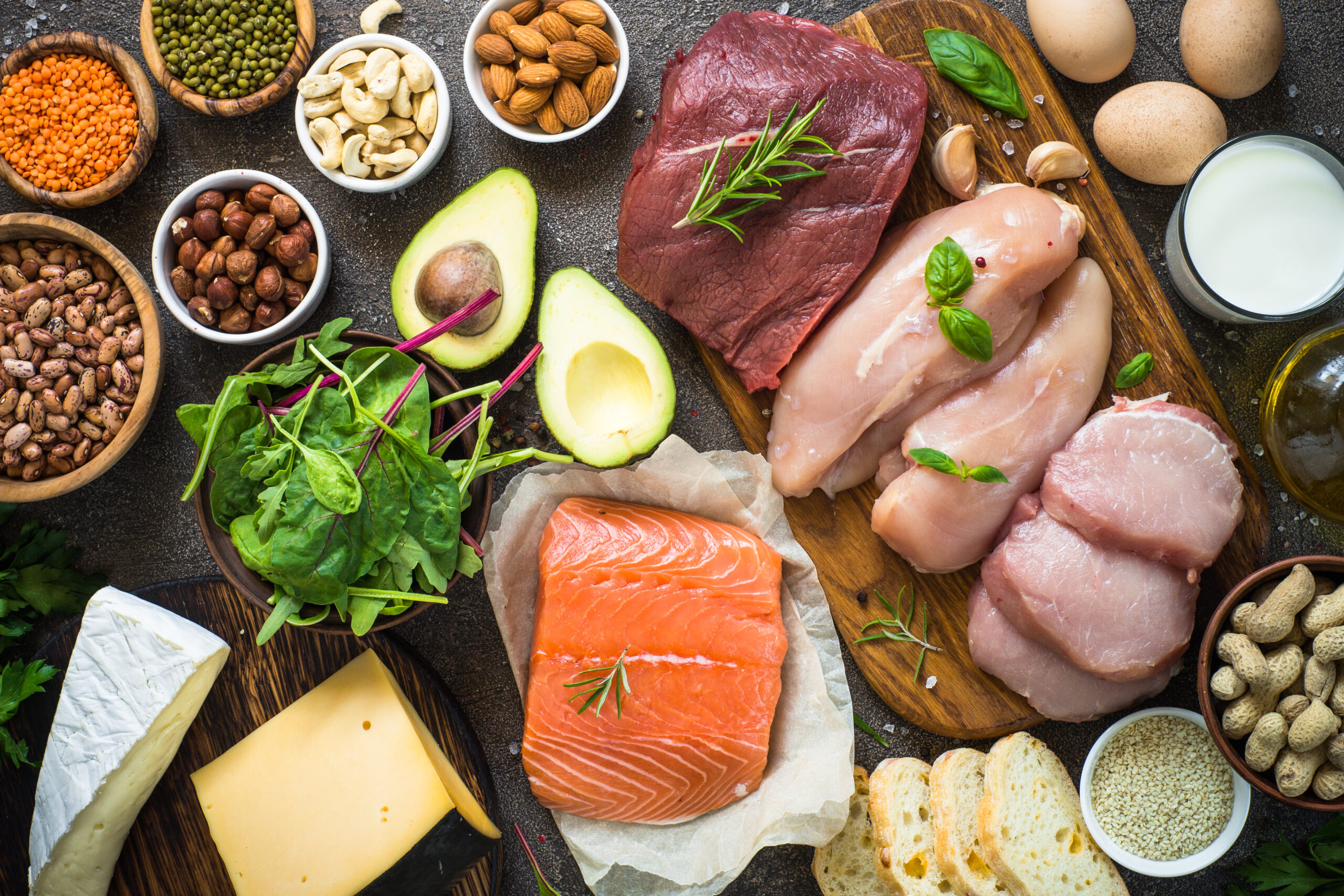
On January 7, 2026, the release of the Dietary Guidelines for Americans marked what officials called a “historic reset” in nutrition policy. Led by HHS Secretary Robert F. Kennedy Jr. and USDA Secretary Brooke Rollins, the guidelines emphasize a return to what they describe as “real food,” spotlighting animal protein, full-fat dairy, and healthy fats derived from whole foods. This shift is seen as a bold move to address the increasing prevalence of diet-related chronic diseases and support American agriculture.
The guidelines’ emphasis on reducing highly processed foods, added sugars, and refined carbohydrates aligns with longstanding public health goals. Experts from various sectors have broadly supported these aspects, acknowledging the potential benefits for metabolic health and chronic disease prevention. The guidelines continue to cap saturated fat intake at less than 10% of total calories, a point of continuity with previous guidelines.
Criticism and Concerns
Despite the positive reception in some areas, the guidelines have not escaped criticism. Expert groups, including the Harvard T.H. Chan School of Public Health and the American Heart Association, express concern over the prioritization of animal protein over plant protein and the endorsement of full-fat dairy and animal fats. These choices appear inconsistent with the guidelines’ own saturated fat cap and the broader evidence base for cardiovascular health.
Critics argue that promoting red meat and full-fat dairy could potentially increase cardiovascular risk, conflicting with the guideline’s quantitative limits. The tension between the “real food” rhetoric and the scientific consensus on saturated fats raises questions about the guidelines’ alignment with evidence-based nutrition science.
Watch:
Implementation Challenges
The new guidelines also pose significant implementation challenges, particularly in federal programs like school meals and the Women, Infants, and Children (WIC) program. The emphasis on animal proteins and full-fat dairy could complicate efforts to maintain equitable and health-protective nutrition standards across diverse populations. Experts warn about potential disparities in access to recommended foods, especially for those with dietary restrictions or socioeconomic constraints.
Moreover, the guidelines’ potential impact on public health messaging and clinician counseling remains a critical area of focus. Ensuring that these guidelines translate into practical and accessible recommendations for all Americans is a key concern for public health advocates and nutrition professionals.
Positive Aspects and Future Outlook
Despite criticisms, there are several positive aspects of the new guidelines that align with modern nutrition science. The strong stance against highly processed foods and added sugars is widely supported, as is the emphasis on whole grains and fiber. These elements reflect an ongoing commitment to promoting nutrient-dense diets and improving metabolic health.
Looking ahead, the 2025-2030 U.S. Dietary Guidelines will serve as the foundation for federal nutrition policy over the next five years. As implementation progresses, ongoing dialogue between policymakers, health professionals, and the public will be crucial in navigating the complexities of these guidelines. By balancing the benefits of “real food” with scientific evidence, the guidelines aim to foster healthier dietary patterns and support the well-being of Americans.
Your instant doctor companion – online 24 hours a day.
Sources:
USDA Press Release
Harvard T.H. Chan School of Public Health
Academy of Nutrition and Dietetics
American Heart Association