
A tiny berry consumed for just hours can begin repairing the hidden damage inside your arteries, and two decades of research reveals it might also rewire your gut, brain, and metabolism.
Story Snapshot
- A comprehensive review of 24 years of research across 12 clinical trials shows wild blueberries improve blood vessel function within hours of consumption
- Wild blueberries contain denser polyphenols than cultivated varieties, triggering beneficial changes in blood pressure, cholesterol, blood sugar, and gut bacteria
- Gut microbes metabolize blueberry compounds into active molecules that contribute up to 40 percent of cardiovascular benefits
- Scientists call for larger trials to identify who responds best and determine optimal dosing for different health conditions
Blood Vessels Respond Before You Feel a Thing
Wild blueberries start working on your cardiovascular system faster than you might imagine. Within hours of eating these small, potent berries, blood vessels become more responsive and flexible. This rapid effect stems from polyphenols and fiber that hit multiple biological pathways simultaneously. The immediate vascular improvements represent the strongest evidence emerging from the new review published in Critical Reviews in Food Science and Nutrition. Dr. Sarah A. Johnson, the lead author and associate professor at Florida State University, emphasizes that wild blueberries support multiple biological pathways, though individual responses vary significantly based on factors like baseline health and gut microbiome composition.
New review finds wild blueberries support heart and gut health https://t.co/4daOt2UnUN
— Alan Stone (@alanbstone) January 28, 2026
The Wild Difference Matters More Than You Think
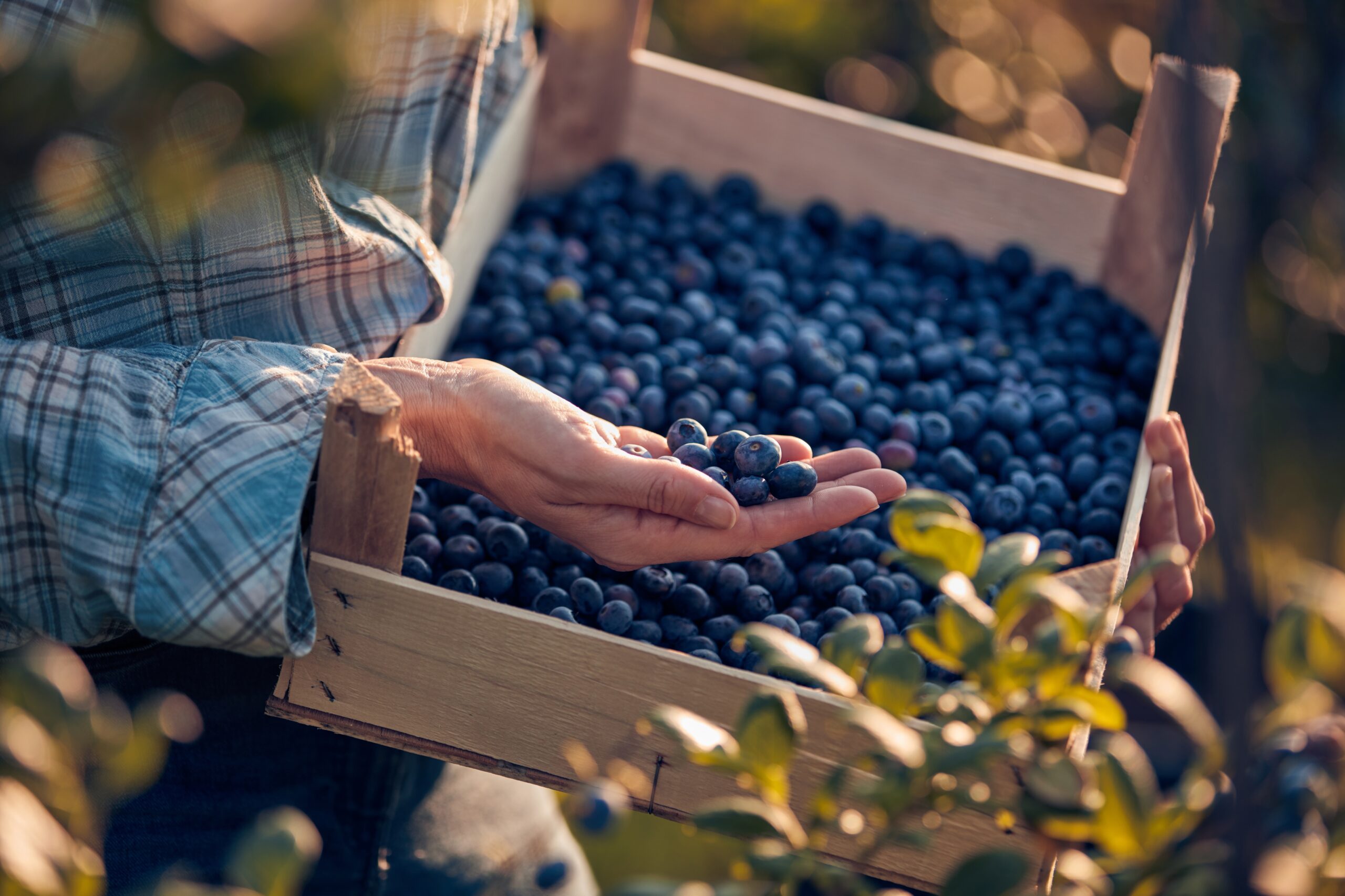
Not all blueberries deliver the same punch. Wild blueberries, known scientifically as Vaccinium angustifolium, pack significantly higher concentrations of health-promoting polyphenols compared to their cultivated highbush cousins sold in most grocery stores. This distinction matters because polyphenol density drives the cardiovascular benefits researchers documented across four countries over 24 years. Lowbush wild varieties thrive primarily in North America, particularly Maine, where harsh growing conditions concentrate their protective compounds. The review synthesized findings from 12 human clinical trials, revealing that participants consuming freeze-dried wild blueberry powder equivalent to about one cup of fresh berries daily experienced measurable improvements in endothelial function, the critical ability of blood vessel walls to expand and contract properly.
Your Gut Microbes Do Most of the Heavy Lifting
Here’s where science gets fascinating. Your small intestine absorbs only five to ten percent of blueberry polyphenols directly into the bloodstream. The remaining 90 percent travel to your colon, where trillions of gut bacteria ferment these compounds into entirely new molecules. These microbial metabolites then enter circulation and account for roughly 40 percent of the health-promoting compounds measurable in blood after blueberry consumption. Clinical trials documented specific changes in gut bacterial populations, particularly increases in Bifidobacterium species after participants consumed 25 grams of freeze-dried wild blueberry powder daily for six weeks. These beneficial bacteria produce short-chain fatty acids and other metabolites that reduce inflammation, improve cholesterol profiles, and enhance blood sugar regulation throughout the body.
Meet My Healthy Doc – instant answers, anytime, anywhere.
The Evidence Spans Decades but Questions Remain
The Wild Blueberry Association of North America released the review findings on January 27, 2026, culminating research that began around 2002. While vascular function improvements earned the “most reliable” designation from researchers, effects on blood pressure, cholesterol levels, and blood sugar showed promise but require larger studies. Individual variability emerged as a critical factor. Two people eating identical amounts of wild blueberries may experience different outcomes depending on their starting metabolic health, gut microbiome diversity, and genetic factors.
The review’s publication sparked immediate interest across nutritional science and cardiology communities. An ongoing clinical trial registered as NCT06735599 is already testing wild blueberries’ integrated effects on gut health, brain function, and cardiovascular markers simultaneously. This systems-level approach reflects growing understanding that heart health, metabolic function, cognitive performance, and gut microbial balance operate as interconnected networks rather than isolated systems. Wild blueberries appear to influence all these networks through complementary mechanisms, from nitric oxide signaling in blood vessels to microbial fermentation products that reduce systemic inflammation. The practical implications matter for millions facing cardiometabolic disease risks.
Got a health question? Ask our AI doctor instantly, it’s free.
Sources:
New review finds wild blueberries support heart and gut health
Wild Blueberries May Help Prevent Heart Disease and Diabetes
Wild Blueberry Health Research
Wild Blueberry Consumption and Cardiovascular Health: A Systematic Review
Wild blueberries support heart health in a powerful measurable way
New review finds wild blueberries support heart and gut health
Wild Blueberries May Benefit the Heart, Metabolism, and Microbiome
Wild Blueberries for Gut, Brain, and Heart Health Clinical Trial