
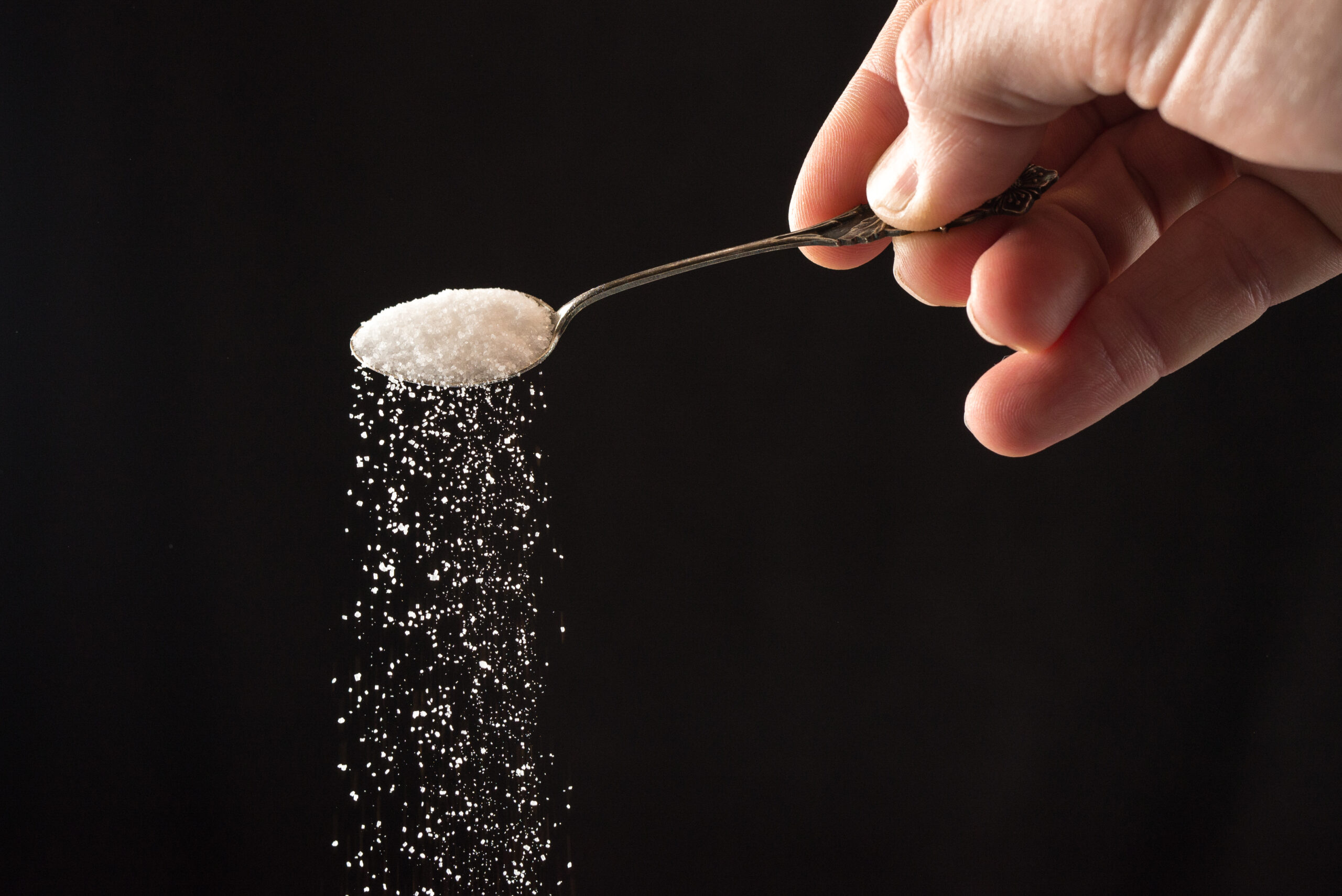
Imagine a sugar substitute that not only tastes like sugar but also doesn’t spike your blood glucose; welcome to the world of allulose.
Story Overview
- Allulose is a rare sugar sweetener with minimal calories.
- Discovered in the 1940s, its scalable production began in 1994.
- It’s gaining popularity due to its health benefits and natural origins.
- Regulatory changes have expanded its market presence in the U.S.
The Emergence of Allulose
Allulose, also known as D-psicose, is a rare, low-calorie sugar that naturally occurs in small amounts in foods such as wheat, figs, and maple syrup. It was first identified in the 1940s but remained largely obscure until a breakthrough in 1994. Japanese scientist Ken Izumori discovered an enzyme that enabled large-scale production of allulose from fructose. This discovery paved the way for its use as a sugar substitute, especially as global demand for low-calorie alternatives surged.
In the following years, allulose gained attention for its ability to mimic the taste and texture of sugar without the accompanying calories. Unlike artificial sweeteners, allulose is naturally derived and has minimal impact on blood glucose levels, making it an attractive option for those managing diabetes or following low-carb diets. Its rise in popularity coincided with increased awareness of the health risks associated with high sugar consumption.
Key Developments in Allulose Production
The road to making allulose commercially viable was not straightforward. The natural occurrence of allulose is so rare that it necessitated the development of an enzymatic production process. This process, which converts fructose into allulose using D-tagatose 3-epimerase, allowed for high-yield production. However, the early stages of production were costly, limiting initial market penetration.
Regulatory milestones also played a significant role in shaping the landscape for allulose. In 2012, the FDA issued its first GRAS (Generally Recognized as Safe) notice for allulose, with subsequent approvals following for other companies. These regulatory endorsements were crucial in legitimizing allulose as a safe and effective sugar alternative. The most significant regulatory shift came in 2020 when the FDA ruled that allulose could be excluded from the “added sugars” count on nutrition labels, further boosting its appeal in the U.S. market.
Watch:
Market Impact and Consumer Adoption
With the regulatory hurdles largely cleared, allulose has seen a steady increase in adoption across various food products, including beverages, yogurt, ice cream, and baked goods. Its ability to function like sugar in terms of taste and texture while offering significantly fewer calories has made it a popular choice for food manufacturers looking to reformulate products.
Quest Nutrition was one of the first major brands to incorporate allulose into its protein bars, capitalizing on the growing demand for low-carb and keto-friendly products. The availability of allulose in both granulated and syrup forms has further facilitated its integration into a wide range of food applications.
Future Prospects and Challenges
Looking ahead, allulose holds promise in the food industry as a tool for addressing public health concerns related to sugar consumption. Its potential benefits extend beyond weight management to include possible oral health advantages due to reduced sugar fermentation. However, challenges remain in terms of production costs and the limited natural sourcing of allulose.
All About Allulose https://t.co/YUcW9rmqEn
— Jane Harris (@janeharrisp_) January 20, 2026
Experts agree on the safety and efficacy of allulose, highlighting its advantages over artificial sweeteners. However, there is a consensus on the need for long-term human studies to fully understand its effects on gut health and other physiological functions. As research continues, allulose could play a pivotal role in the ongoing shift towards healthier dietary choices.
Meet My Healthy Doc – instant answers, anytime, anywhere.