
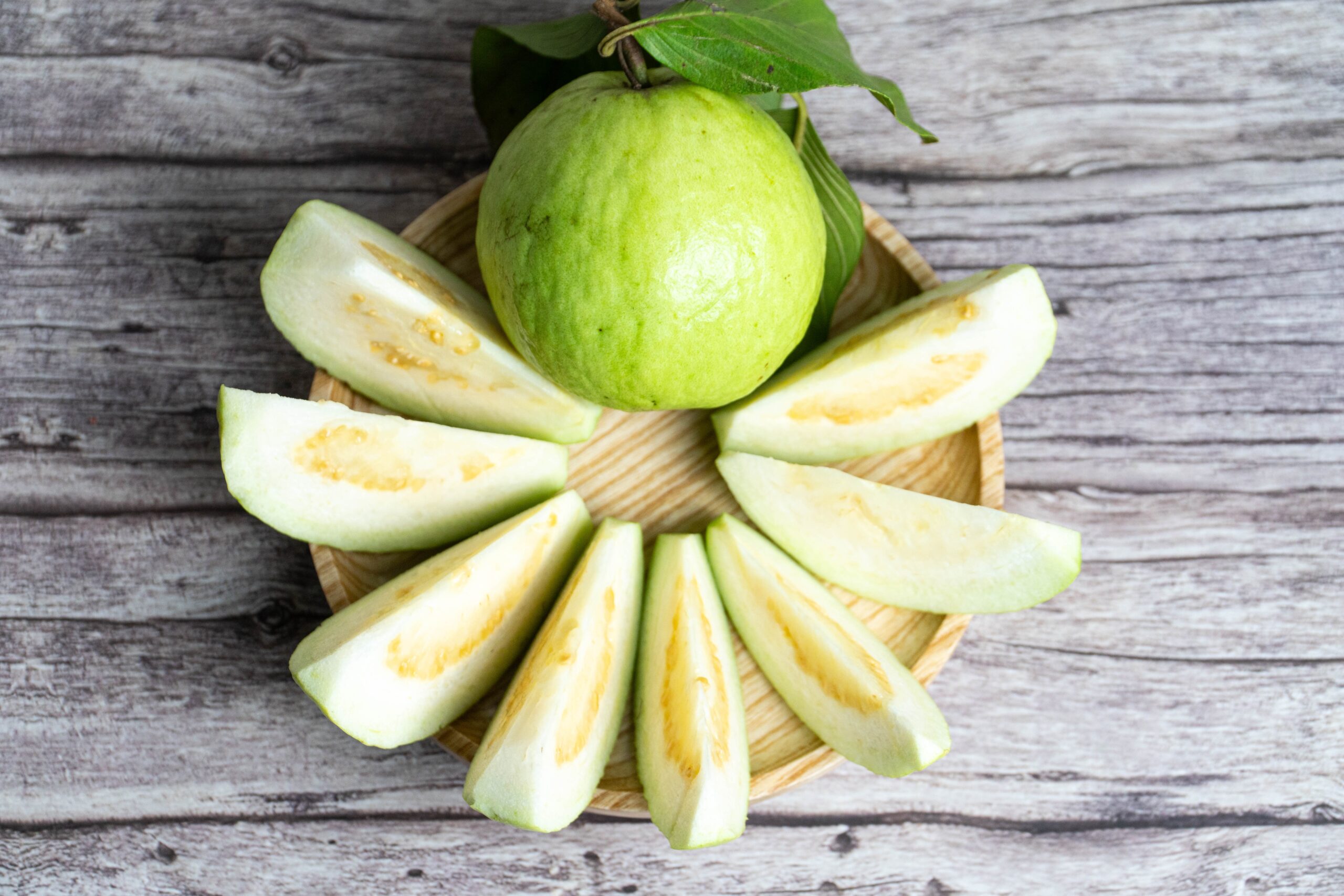
Scientists have successfully synthesized a secret cancer-fighting molecule from guava fruit that shows remarkable promise against liver cancer.
Story Highlights
- Researchers synthesized a powerful anti-cancer molecule originally found in guava fruit
- The breakthrough could lead to affordable, natural cancer treatments for liver disease
- Discovery continues the tradition of life-saving medicines derived from natural sources
- Modern bioprospecting validates indigenous knowledge and natural remedies
Revolutionary Cancer Treatment Discovery
University of Delaware researchers have achieved a groundbreaking synthesis of a bioactive molecule from guava fruit that demonstrates potent anti-cancer properties against liver cancer cells. This discovery represents the latest chapter in nature’s ongoing contribution to medical breakthroughs, following historical precedents like willow bark’s contribution to aspirin and cinchona bark’s role in malaria treatment. The synthetic approach allows for controlled production of this promising compound without depleting natural guava resources.
The research team successfully created laboratory versions of the guava-derived molecule using advanced chemical synthesis techniques. This achievement opens pathways for affordable cancer treatment options, particularly significant given the high costs associated with conventional liver cancer therapies. The molecule’s natural origin suggests potentially fewer side effects compared to synthetic pharmaceutical alternatives, aligning with growing patient preferences for nature-based medical solutions.
Guava’s secret molecule could fight liver cancer
Nature has long been the source of lifesaving medicines, from willow bark’s natural aspirin to new discoveries in tropical fruits.
Now, chemists at the University of Delaware have pioneered a way to recreate powerful molecules… pic.twitter.com/aJGVIlaUi2
— Professor Erwin Loh (@erwinloh) September 16, 2025
Nature’s Proven Track Record in Medicine
This guava discovery reinforces nature’s historical role as humanity’s primary pharmacy, dating back to ancient civilizations that relied on plant-based remedies. Willow bark provided the foundation for aspirin development, while cinchona bark from South American indigenous knowledge became the source of quinine for malaria treatment. Citrus fruits revolutionized naval health by preventing scurvy, and Alexander Fleming’s penicillin discovery from mold transformed infection treatment during World War II.
Indigenous communities worldwide have maintained extensive knowledge of medicinal plants for centuries, often serving as the original source for modern pharmaceutical discoveries. European explorers and missionaries documented these traditional remedies, leading to scientific validation and global distribution of natural medicines. The transition from folk remedies to pharmaceutical development demonstrates the enduring value of respecting and investigating traditional healing practices rather than dismissing them outright.
Modern Bioprospecting and Future Implications
Contemporary research continues expanding natural product libraries and databases, with increased funding for biodiversity-based drug discovery in recent years. Advanced molecular biology and genomics now enable rapid screening of natural products, accelerating the identification of promising bioactive compounds. Several plant-derived compounds currently undergo clinical trials, suggesting a robust pipeline of natural medicine candidates for various diseases including cancer, infectious diseases, and chronic conditions.
The guava cancer treatment breakthrough highlights the untapped potential of tropical biodiversity for medical applications. This discovery validates the importance of preserving natural habitats and respecting indigenous knowledge systems that have guided traditional medicine for generations. As antibiotic resistance and emerging diseases create new medical challenges, nature-based solutions offer sustainable healthcare alternatives that align with conservative values of self-reliance and traditional wisdom over government-dependent healthcare systems.
Sources:
PMC Article on Natural Medicine Origins
How a Moldy Cantaloupe Took Fleming’s Penicillin from Discovery to Mass Production
PMC Article on Scurvy and Citrus Fruits
Using Nature to Fight Liver Cancer – University of Delaware