

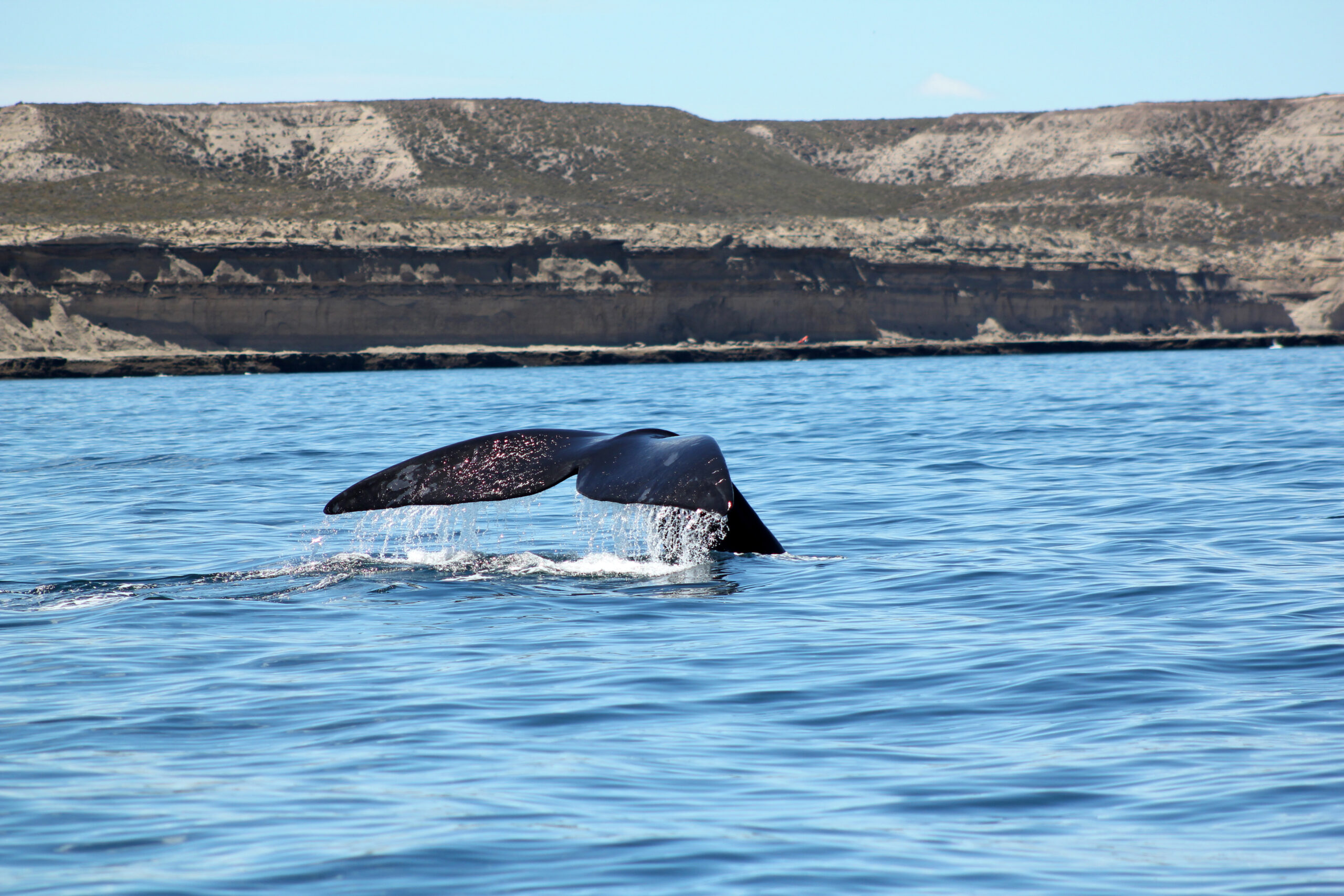
If a whale can live for 200 years and rarely get cancer, are we missing something essential in our own quest for longevity?
Story Snapshot
- Bowhead whales possess a unique DNA repair protein, CIRBP, linked to their extraordinary lifespan and cancer resistance.
- CIRBP’s effectiveness in DNA repair has been replicated in human and fruit fly cells, opening new avenues for cancer and aging therapies.
- Unlike elephants, which rely on apoptosis, bowhead whales use a ‘repair-not-eliminate’ approach to genome maintenance.
- The discovery of CIRBP’s role marks a major advance in understanding mammalian longevity and cancer resistance.
The Whale That Refused to Age: CIRBP’s Breakthrough
Bowhead whales confound expectations with their longevity and robust health. Despite weighing up to 60 tons and living for more than two centuries, these Arctic giants rarely succumb to cancer or age-related diseases. Researchers at the University of Rochester set out to decode the biological secrets that protect these whales from the ravages of time. Their search led to CIRBP—a cold-inducible RNA-binding protein—that appears to be the linchpin in the bowhead’s ability to maintain pristine DNA across decades.
CIRBP’s abundance in bowhead whale cells isn’t just a neat evolutionary quirk. Functional experiments show that when CIRBP is increased in human and fruit fly cells, DNA repair improves and lifespan can even extend. This suggests that CIRBP isn’t a species-specific fluke, but a cross-species guardian of genome integrity. The whales’ ‘repair-not-eliminate’ strategy stands in stark contrast to elephants, which rely on mass apoptosis—cell suicide—to avoid tumors. Bowheads, instead, patch up genetic errors before they snowball into disease.
Watch:
Unraveling the Longevity Paradox: How CIRBP Works
Bowhead whales exemplify Peto’s Paradox—the observation that large animals don’t have proportionally higher cancer rates. CIRBP solves part of this mystery. The protein hones in on DNA breaks, orchestrating a repair process that is both precise and efficient. Unlike typical mammalian responses, which often sacrifice damaged cells, CIRBP enables bowheads to fix their genome with minimal collateral damage. This repair-centric approach preserves tissue integrity and staves off the cellular decline commonly seen in aging.
The discovery of CIRBP’s role emerged from genomic analysis and molecular biology experiments. Teams led by Professors Vera Gorbunova and Andrei Seluanov combined whale, human, and fruit fly cell studies to demonstrate CIRBP’s universal benefits. Published in Nature in October 2025, their work is widely regarded as a landmark in aging and cancer research. Peer-reviewed validation and cross-species replication of results have solidified CIRBP’s centrality in the field.
A bowhead whale's DNA offers clues to fight cancer – Scientists searching for new ways to combat cancer think they may have uncovered a promising new lead in the DNA of the bowhead whale. via NPR https://t.co/VSCpvWsk9K
— 🌊💙 Viking Resistance 💙🌊 (@BlueCrewViking) November 24, 2025
The Race to Human Therapies: Promise and Caution
Translating CIRBP’s success in whales to humans is the next frontier. Biomedical researchers are investigating methods to upregulate CIRBP pathways in human cells, with the hope of enhancing DNA repair, reducing cancer risk, and possibly delaying aging. While the potential is tantalizing, experts caution that human applications remain hypothetical. Manipulating genome maintenance mechanisms carries risks, and long-term effects must be thoroughly vetted before clinical use.
The implications stretch far beyond the laboratory. Pharmaceutical and biotech firms see CIRBP as a springboard for new cancer drugs and anti-aging treatments. Aging and cancer patient populations could benefit from therapies that mimic the bowhead’s natural defenses. However, the ethical debate around genetic modification and lifespan extension is heating up. Society must grapple with questions of access, fairness, and safety as the science progresses.
Sources:
PubMed: Bowhead Whale DNA Repair Mechanisms
News-Medical: Bowhead Whale’s Secret to Long Life Revealed
University of Rochester: Secret to a Long Life
Nature: Bowhead Whale Longevity Studies
Phys.org: Bowhead Whales’ Protein Secret
Nature: CIRBP Functional Analysis
BioWorld: Better DNA Repair in Bowhead Whales