

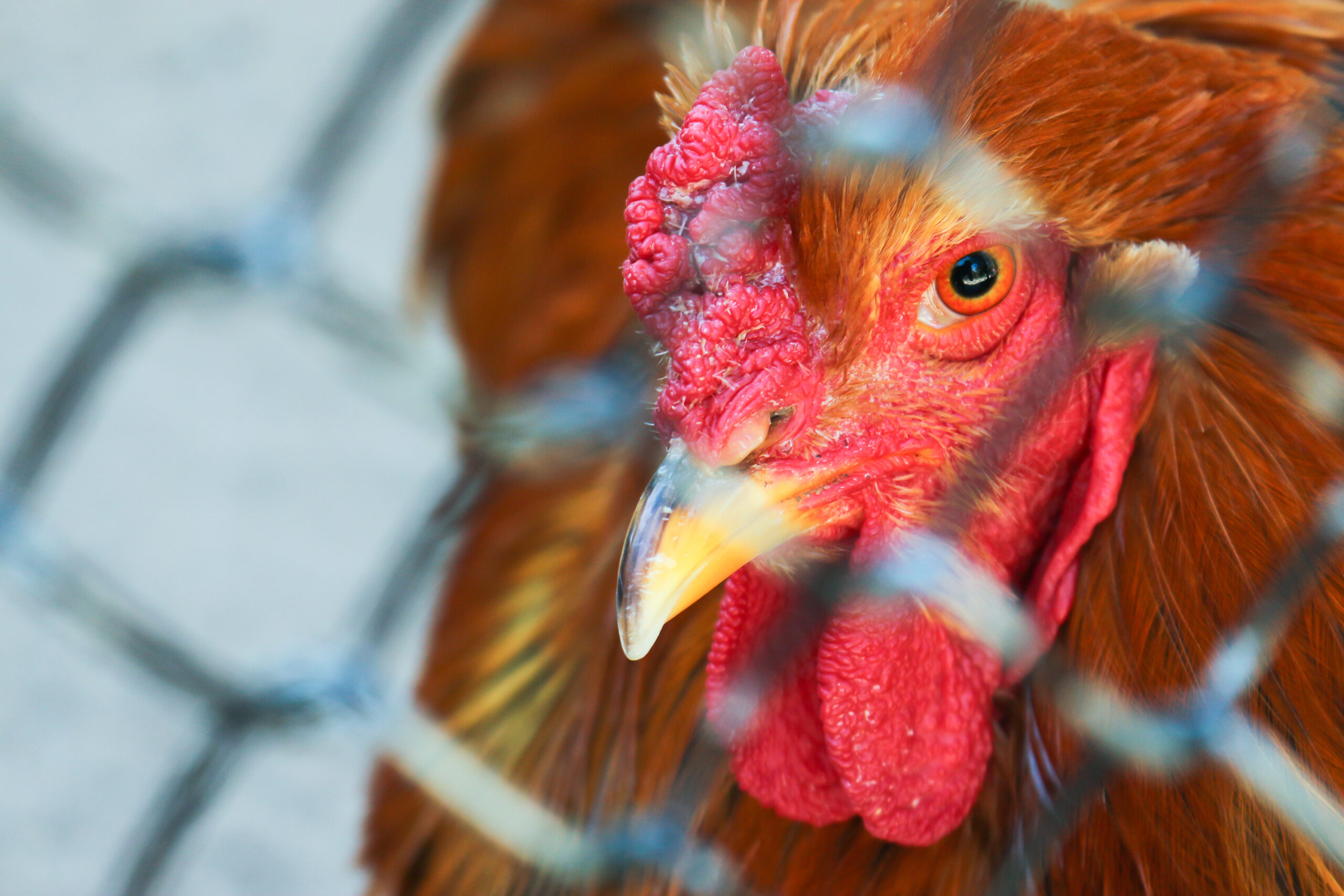
The first human death from the H5N5 bird flu strain in Washington State signals a new chapter in the ongoing battle against avian influenza.
Story Overview
- The H5N5 strain has never before infected humans, marking a significant development.
- The deceased had underlying health conditions and exposure to backyard poultry.
- This is the first confirmed human H5 bird flu fatality in the U.S. since January 2025.
- Experts emphasize that the public risk remains low, with no human-to-human transmission evidence.
Unprecedented Human Infection
The death of an older adult from the H5N5 bird flu strain in Washington State represents an unprecedented event. This marks the first time this particular avian influenza subtype has infected a human. The individual, who had underlying health conditions, had a mixed flock of backyard poultry exposed to wild birds, which is suspected as the transmission source. This incident highlights the ongoing threat posed by bird flu strains at the human-animal interface.
The CDC and Washington State Department of Health have confirmed this as the first human H5 bird flu fatality in the U.S. since January 2025. The deceased had been hospitalized since early November, showing severe symptoms such as high fever, confusion, and difficulty breathing. The announcement came on November 28, 2025, underscoring the virus’s potential to impact vulnerable populations.
Watch:
Comparing H5N5 to H5N1
The H5N5 strain’s novelty in human infection sets it apart from the more prevalent H5N1 strain. Both share the same hemagglutinin (H5) protein, but differ in their neuraminidase proteins, classifying them as distinct subtypes. The previous human H5 bird flu death occurred in Louisiana in January 2025, involving an older individual with underlying conditions. This pattern suggests that age and comorbidities are significant risk factors for severe outcomes.
Experts, including virologist Richard Webby, emphasize that the H5N5 case does not indicate increased pandemic risk compared to H5N1. While H5N1 has been the dominant concern due to its greater prevalence, the emergence of H5N5 as a human pathogen demands attention. This case underscores the need for sustained vigilance and pandemic preparedness.
Implications and Responses
The implications of this case are multifaceted. In the short term, public health resources are being directed towards investigation and surveillance in Washington State. Backyard poultry owners may experience increased scrutiny and need to evaluate their biosecurity measures. Despite the novelty of the H5N5 strain, health officials maintain that the risk to the general public remains low, with no evidence of human-to-human transmission.
Long-term, this case may influence agricultural practices and public health policies. It reinforces the importance of monitoring emerging infectious diseases and maintaining readiness for potential zoonotic spillover events. The poultry and dairy industries may face continued scrutiny regarding biosecurity practices and worker protection measures.