
The most dangerous diet debate in America isn’t low-carb versus low-fat—it’s “healthy-sounding” versus actually healthy.
Quick Take
- A 30+ year study tracking nearly 200,000 people found food quality predicts heart outcomes better than macro ratios.
- Both low-carb and low-fat patterns lowered coronary heart disease risk when built around high-quality, plant-forward foods.
- Both patterns raised risk when built around refined carbs and animal-heavy, low-quality choices.
- Biomarkers and metabolomics backed the real-world outcomes, pointing to inflammation and lipid changes as likely pathways.
The Study That Finally Put “Low-Carb vs. Low-Fat” on Trial
Researchers followed 198,473 adults across three large cohorts from 1986 to 2019, logging more than 5.2 million person-years and documenting 20,033 coronary heart disease cases. That scale matters because it shrinks the room for diet fads to hide. The headline result landed like a gavel: low-carb and low-fat both worked when the food itself was high quality, and both failed when it wasn’t.
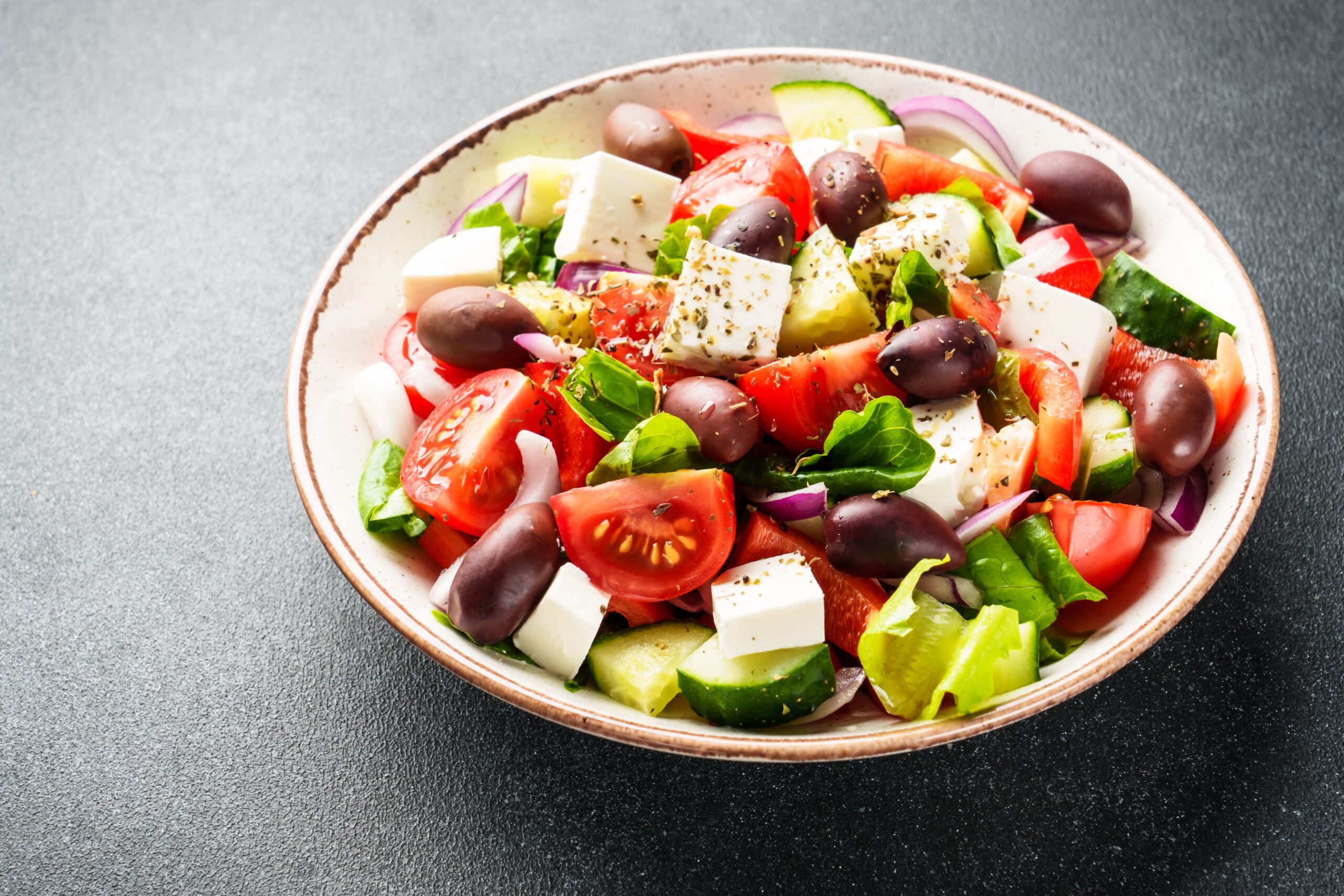
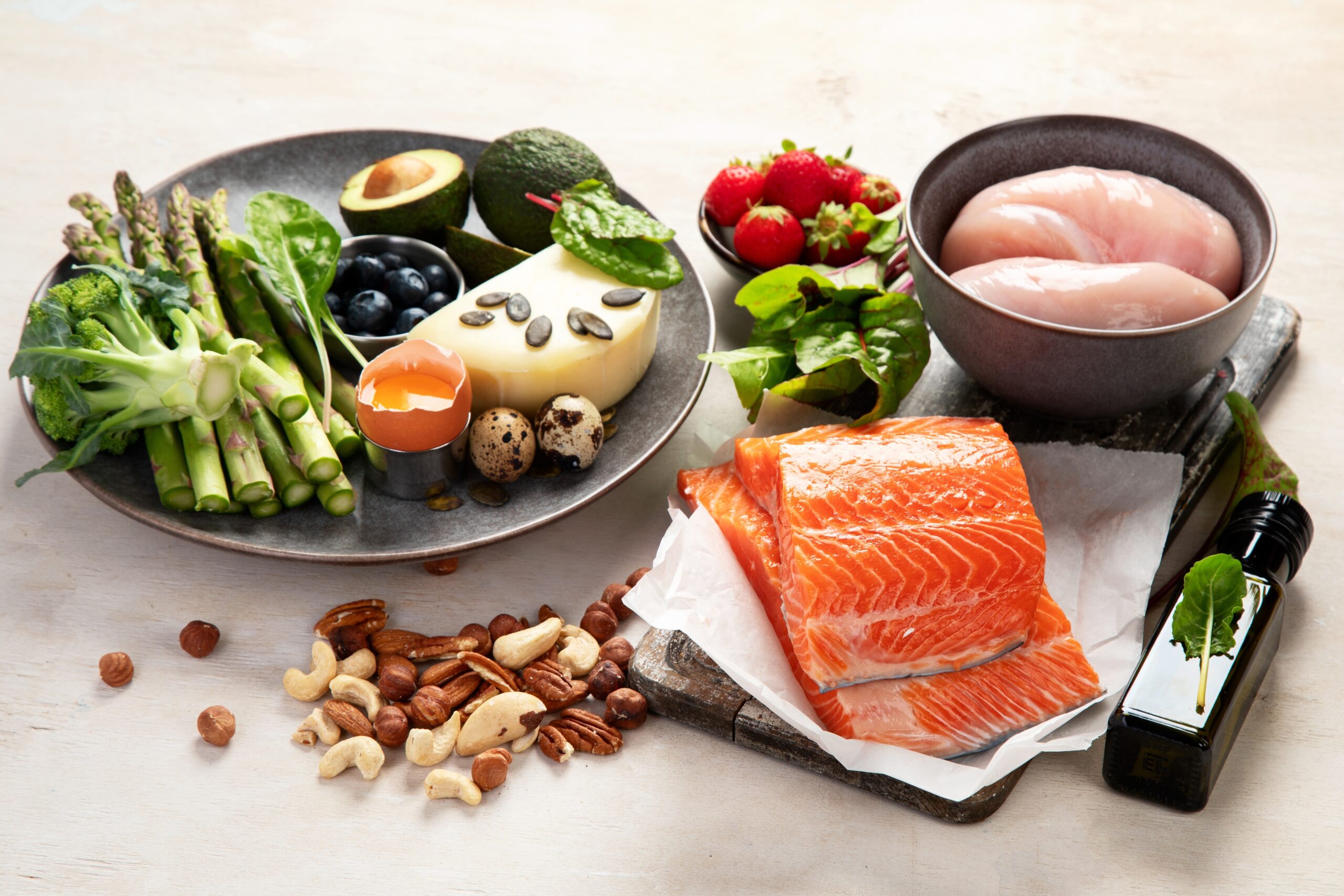
That framing flips the usual dinner-table argument. People don’t only pick “low-carb” or “low-fat”; they pick bacon-and-cheese low-carb, or nuts-and-vegetables low-carb. They pick low-fat cereal and pretzels, or low-fat beans, fruit, and whole grains. The study treated those as different diets, because they behave differently in the body and, over decades, they lead to different heart outcomes.
What “15% Lower Risk” Really Means for Real Lives
The healthier versions of low-carb and low-fat eating patterns linked to about a 15% lower risk of coronary heart disease compared with other patterns. That number won’t impress the internet, but it should impress anyone with a family history of heart attacks. In population health, 15% is massive when you multiply it across millions of middle-aged and older adults who live one grocery run at a time.
The study also reported the mirror image: “unhealthy” versions of both low-carb and low-fat patterns associated with higher risk. That matters because it rejects the comforting myth that choosing a macro camp automatically buys protection.
Nearly 200,000 people reveal the real key to heart health
A decades-long study of nearly 200,000 adults challenges the low-carb versus low-fat debate. Both eating patterns were tied to lower heart disease risk when they emphasized whole grains, plant-based foods, and healthy…
— The Something Guy 🇿🇦 (@thesomethingguy) February 17, 2026
Food Quality: The Quiet Variable Most Diet Gurus Ignore
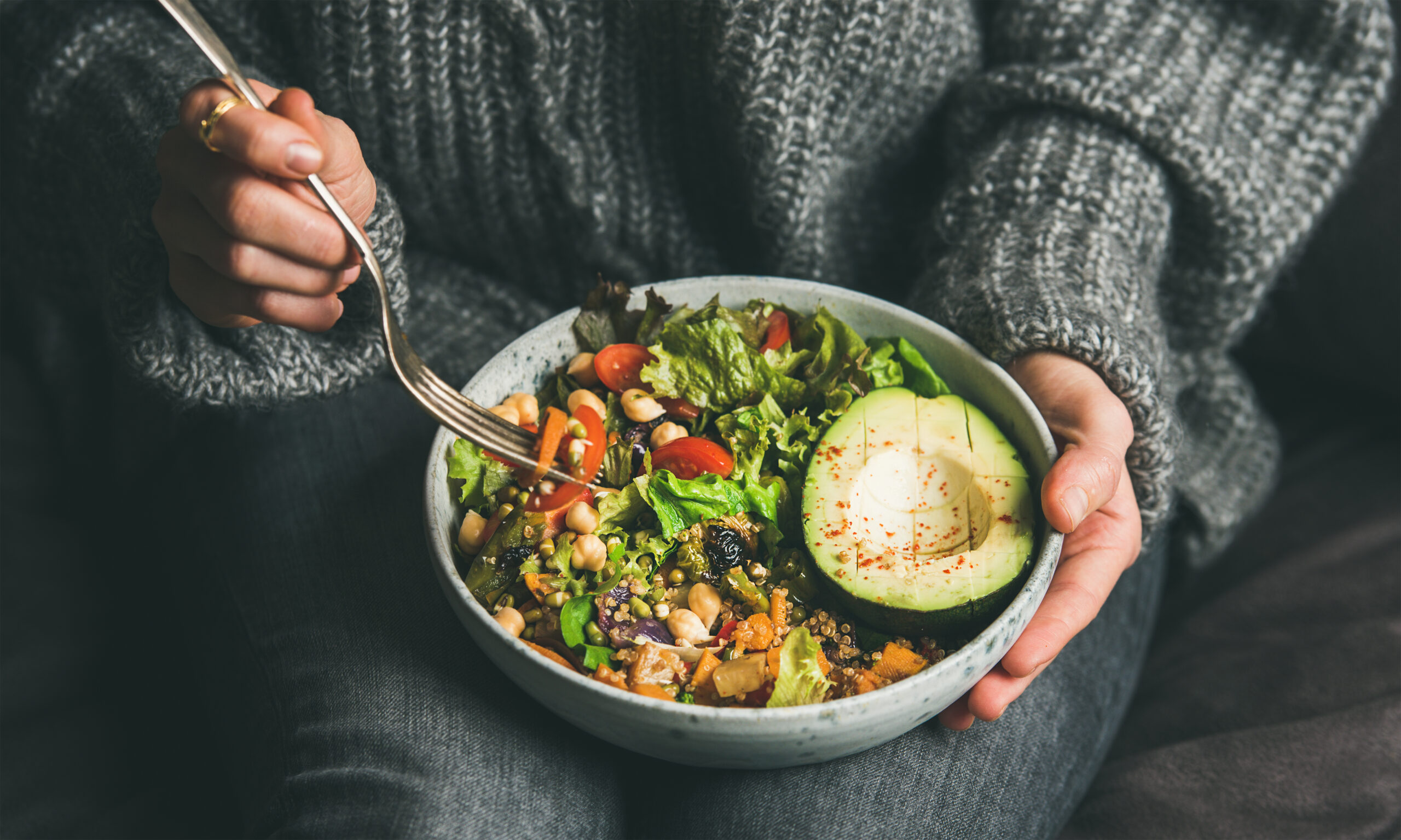
Food quality sounds like a scolding phrase, but it’s practical. In this research, higher-quality patterns emphasized whole grains, plant-based foods, and healthier fats. Lower-quality patterns leaned on refined carbohydrates and more animal-based foods. That doesn’t mean every animal food is “bad,” or every plant food is “good.” It means the overall pattern—especially how processed and refined the calories are—predicts the long game.
American culture loves a single villain: carbs, fat, seed oils, red meat, sugar. The conservative instinct to distrust simplistic narratives serves readers well here. The data suggests the villain is sloppier: industrial convenience eating, regardless of macro label. A low-fat diet built on refined starches can behave like a blood-sugar roller coaster. A low-carb diet built on processed meats can pile on sodium and unfavorable lipid patterns.
Why Metabolomics Strengthens the Case Beyond Food Diaries
Nutrition studies often take heat because people misreport what they eat. This project didn’t rely solely on questionnaires; it also used biomarker and metabolomic data, a biochemical receipt that shows patterns consistent with better or worse cardiometabolic health. Healthier patterns aligned with more favorable markers such as lower triglycerides, lower inflammation signals, and higher “good” cholesterol, reinforcing that the outcomes weren’t just statistical noise.
Those biomarkers create a plausible pathway: better-quality foods tend to deliver more fiber, micronutrients, and unsaturated fats while avoiding refined grains and ultra-processed inputs that can aggravate insulin resistance and inflammation. That doesn’t prove causation—this remains observational—but it raises the seriousness level. The biology and the long-term outcomes point in the same direction, which is what you want before changing public guidance.
Watch:
The Study’s Built-In Limits—and Why They Don’t Let You Off the Hook
The participants came largely from health professional cohorts, which can limit generalizability; they often have better healthcare access and higher baseline health awareness. The study also can’t prove cause and effect. Extreme versions of diets—like very low-carb ketogenic approaches—may fall outside the macronutrient ranges most participants followed. Those caveats matter for precision, not for dismissal: the central lesson still holds for the average American kitchen.
One more limitation hides in plain sight: “animal products” is a wide category, and the study’s pattern scoring can’t perfectly separate, say, yogurt from processed meat in every scenario. That’s not an argument for ignoring the results; it’s an argument for maturity. Adults over 40 don’t need another diet religion. They need a filter: fewer refined carbs, fewer ultra-processed shortcuts, more whole foods you can recognize.
The Practical Truce: Choose Your Macro Style, Then Police the Ingredients
The takeaway that fits real life is almost annoying in its simplicity. Pick low-carb if it helps hunger control, blood sugar, or weight management. Pick low-fat if it fits your preferences, budget, or cholesterol goals. Then apply the same non-negotiable rules: build meals from minimally processed foods, prioritize plants, choose healthier fats, and treat refined starches and processed meats like “sometimes foods,” not daily staples.
That truce also has policy implications. The loudest nutrition messaging often pushes macro math while ignoring food environment realities—what’s cheap, what’s convenient, what’s marketed. The study supports a more grounded American approach: teach quality first, let people choose a macro framework that they can sustain, and stop pretending a label like “low-carb” automatically equals disciplined eating. Your heart keeps the receipts.
Sources:
Nearly 200,000 people reveal the real key to heart health
Scientists Tracked 200,000 Diets for 30 Years — Here’s the Real Key to Heart Health
Healthy Versions of Low-Carb and Low-Fat Diets Linked to Better Cardiovascular and Metabolic Health
Low-carb versus low-fat diet debate misses mark for heart health
Low-carb and low-fat diets associated with lower heart disease risk if rich in high quality plant-based foods, low in animal products
Low-Carb or Low-Fat? Both Can Improve Heart Health If You Eat the Right Foods, Study Finds