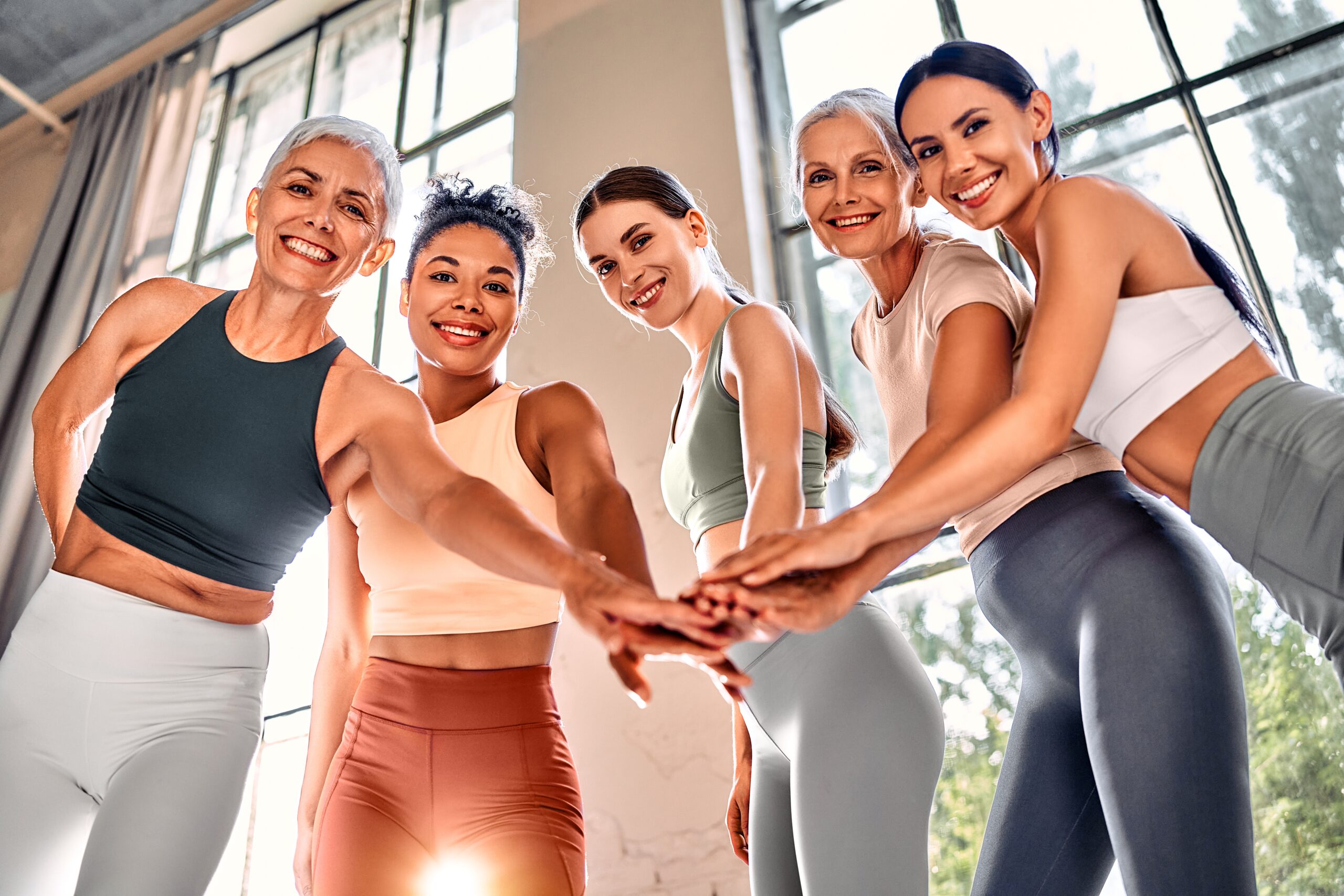


The exercises you think sculpt your body might actually be saving your life, and it has nothing to do with how you look in a mirror.
Story Snapshot
- Functional strength training emphasizes compound movements like squats, deadlifts, and lunges that mimic real-world activities, building muscle while improving daily task performance and injury prevention.
- Metabolic flexibility allows women’s bodies to efficiently switch between burning carbohydrates and fats for fuel, reducing chronic disease risk and stabilizing energy throughout hormonal fluctuations.
- Women aged 30 and beyond benefit most from these combined approaches, addressing bone density loss, muscle preservation, and age-related metabolic slowdown through accessible 20-30 minute routines.
- Recent fitness trends prioritize home-based, equipment-free programs that blend resistance training with zone 2 cardio, democratizing strength training beyond traditional gym culture.
The Revolution Hiding in Your Living Room
Functional strength training discarded the chrome-plated machines and mirror-lined walls that defined fitness for generations. Trainers like Emily from Women’s Health Magazine and Nicole from OBE Fitness champion exercises that prepare women for actual life: carrying groceries, lifting toddlers, preventing falls on icy sidewalks. Deadlifts teach you to pick up heavy objects without wrecking your back. Lunges correct the left-right imbalances that plague desk workers. Push-ups build the upper body strength society told women they didn’t need. These movements activate multiple muscle groups simultaneously, engaging quads, glutes, and core in coordinated action that isolation exercises never replicate.
The Metabolic Puzzle Nobody Explained
Metabolic flexibility sounds like corporate jargon until you experience the 3 p.m. energy crash that derails your afternoon. Women’s bodies face unique metabolic challenges during perimenopause and beyond, when hormonal fluctuations disrupt energy stability. The ability to switch seamlessly between burning carbohydrates and oxidizing fats determines whether you power through or collapse. Functional strength training combined with varied-intensity cardio, particularly zone 2 efforts like brisk walking, trains this adaptability. Resistance exercises improve insulin sensitivity, allowing cells to process glucose efficiently. Meanwhile, sustained lower-intensity cardio teaches your mitochondria to tap fat stores when carbs run low.
Got a health question? Ask our AI doctor instantly, it’s free.
Why Your Grandmother’s Exercise Advice Failed You
Isolation exercises dominated women’s fitness magazines for decades: bicep curls for toned arms, leg extensions for sculpted thighs, endless crunches for flat stomachs. This approach fragmented the body into parts, training muscles in ways they never function naturally. Functional training rejects this compartmentalization, recognizing that real strength emerges from coordinated systems. GORUCK’s essential exercises list prioritizes movements demanding agility and multi-planar stability.
Unilateral movements, exercises performed one limb at a time, expose and correct the asymmetries that plague modern bodies. Most women favor one side unconsciously, creating muscular imbalances that compound into injury over years. Single-leg deadlifts and split squats force both sides to contribute equally, preventing the dominant leg from compensating for the weaker. This attention to balanced development distinguishes functional protocols from traditional programming.
Watch:
Chat safely, anytime, with My Healthy Doc.
The Twenty-Minute Solution
Time scarcity kills fitness ambitions more reliably than any physical limitation. Recognizing this, current functional strength programming compresses effective workouts into 20-30 minute blocks. Nourish Move Love publishes routines targeting full-body engagement within this window, eliminating excuses about marathon gym sessions. The 2024-2025 content surge across blogs and video platforms reflects demand from women juggling careers, families, and personal health. These condensed formats sacrifice nothing essential, structuring exercises in circuits that maintain elevated heart rates while allowing muscular recovery between movements.
Scalability makes these programs accessible across fitness levels. Demonstrators show low-impact modifications alongside advanced variations within the same workout, allowing beginners and athletes to train together. Women over 40 particularly benefit from options reducing joint stress while maintaining training stimulus. Core stabilization exercises like planks appear universally in expert recommendations, addressing the postural collapse that accompanies sedentary lifestyles. The emphasis on bone density through load-bearing movements combats osteoporosis risk that accelerates post-menopause. Short-term gains manifest quickly: improved posture within weeks, easier daily tasks, reduced back pain. Long-term adaptations prove more profound, preserving functional independence into later decades while delaying sarcopenia.
Meet My Healthy Doc – instant answers, anytime, anywhere.
Sources:
Functional Training: Exercises, Benefits, and Classes
5 Functional Exercises Every Woman Needs & How to Do Them
Functional Strength Training for Women
STRONG 20 Functional Strength Training
Functional Fitness for Women: Exercises That Enhance Everyday Movements
A Personal Trainer Says These Are the Five Exercises You Should Start With
Functional Fitness