
Heart attacks kill more Americans than any other condition, yet dangerous knowledge gaps persist about recognizing life-threatening symptoms that could save your life or a loved one’s.
Story Overview
- Chest pain remains the most common heart attack symptom, but many people experience atypical warning signs
- Women face higher risks of silent heart attacks and often present with different symptoms than men
- Warning signs can appear hours, days, or weeks before a heart attack occurs
- Immediate 911 response is critical – waiting or driving to the hospital can be fatal
The Classic Warning Signs Everyone Should Know
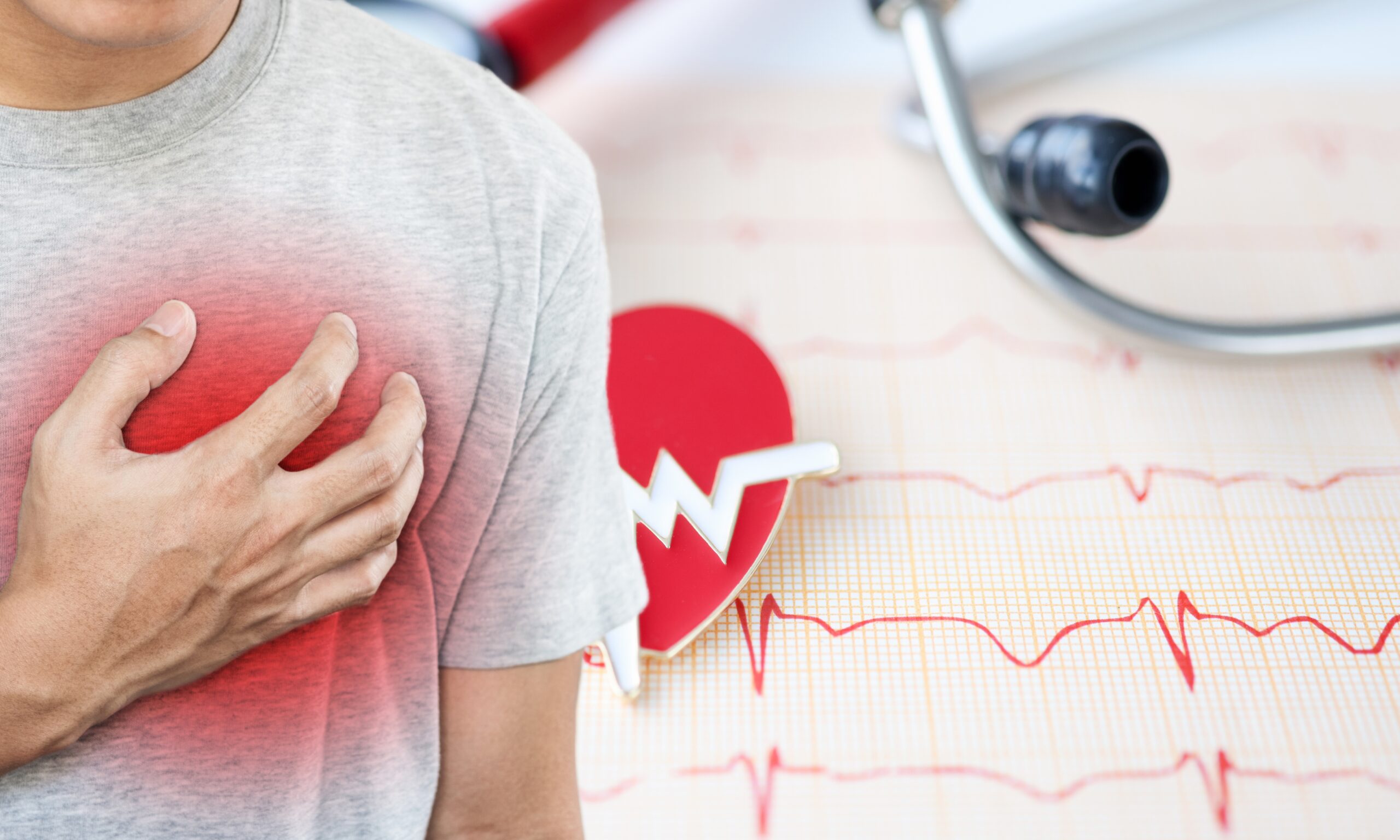
Chest discomfort serves as the cardinal symptom of heart attacks, occurring in the center or left side of the chest. This discomfort manifests as uncomfortable pressure, squeezing, fullness, or pain lasting more than a few minutes or disappearing and returning. Pain frequently radiates to other upper body areas including arms, shoulders, back, neck, jaw, teeth, or upper stomach. Shortness of breath represents another primary symptom that may occur with or without chest discomfort, manifesting during rest or physical activity.
Heart attacks trigger additional physiological responses that Americans must recognize immediately. Cold sweats occur as the body responds to cardiac emergency, while nausea and vomiting commonly accompany heart attacks in certain populations. Lightheadedness, sudden dizziness, or fainting may occur as cardiac output decreases. Additional cardiovascular symptoms include heavy heart pounding, abnormal rhythms, and rapid or irregular heartbeat that signal immediate medical intervention.
.@HopkinsMedicine cardiologist @SethShayMartin discusses what the most common signs of a heart attack are. @nytimes https://t.co/huwiJN7vK0
— Hopkins Med News (@HopkinsMedNews) October 10, 2025
Dangerous Gender Differences in Heart Attack Symptoms
Women face significantly higher rates of silent heart attacks and experience less intense symptoms that are frequently dismissed by medical professionals. Women-specific symptoms include nausea, pain in the lower chest or upper abdomen, extreme fatigue, unusual weakness, anxiety, and pain in the shoulder, back, or arm. Women may experience brief or sharp pain in the neck, arm, or back rather than crushing chest pain. Post-menopausal women face increased heart attack risk due to decreasing estrogen levels, making symptom awareness critically important.
Men typically present with more classic symptoms, though the full range can occur in both genders. The key distinction lies in frequency and intensity of atypical presentations rather than complete absence of certain symptoms. Silent heart attacks occur with minimal or no symptoms, creating particular danger because patients may not recognize the cardiac emergency. Mild symptoms like throat or chest pain are often confused with gastric reflux, indigestion, or heartburn, leading to delayed treatment.
Critical Time Factors That Determine Survival
Heart attack symptoms do not always strike suddenly, with many individuals experiencing warning signs hours, days, or weeks in advance. Chest pain or pressure that persists and does not resolve with rest may serve as an early warning sign caused by temporary decreases in blood flow to the heart. The variability ranges from sudden, intense presentations to slow development with mild pain or discomfort. Medical authorities unanimously recommend calling 911 immediately upon experiencing any heart attack symptoms, even when uncertainty exists about symptom severity.
Watch:
Emergency Medical Services personnel provide superior treatment compared to private transport to hospitals, as EMS workers are trained for proper cardiac emergency care and rapid transport. Receiving treatment quickly during heart attacks is essential for preventing death and minimizing heart muscle damage. Many Americans wait too long because they fail to recognize warning signs or dismiss symptoms as less serious conditions. Research indicates significant gaps in public recognition of heart attack symptoms, with chest pain, shoulder pain, shortness of breath, weakness, and nausea combinations not universally recognized by the general population.
Sources:
Brown Health – What Are Symptoms of Heart Attack
American Heart Association – Heart Attack and Stroke Symptoms
Mayo Clinic – Heart Attack Symptoms and Causes
American Heart Association – Warning Signs of Heart Attack
NHLBI – Heart Attack Symptoms
Cleveland Clinic – Heart Attack
PMC – Heart Attack Recognition Research
MedlinePlus – Heart Attack
Harvard Health – Silent Heart Attacks