
The fastest way to lose your teeth isn’t dessert—it’s ignoring the quiet, everyday nutrient shortage that makes gums bleed.
Quick Take
- Vitamin C, found in tomatoes, supports gum tissue by driving collagen repair and tamping down oxidative stress.
- Studies consistently link low vitamin C status with worse gum outcomes, especially bleeding and inflammation.
- Evidence looks strongest for gingivitis and early disease; advanced periodontitis rarely reverses with vitamin C alone.
- Smokers and people with diabetes tend to sit in the higher-risk lane when vitamin C runs low.
Why “Bleeding When You Brush” Is a Nutrition Clue, Not Just a Dental One
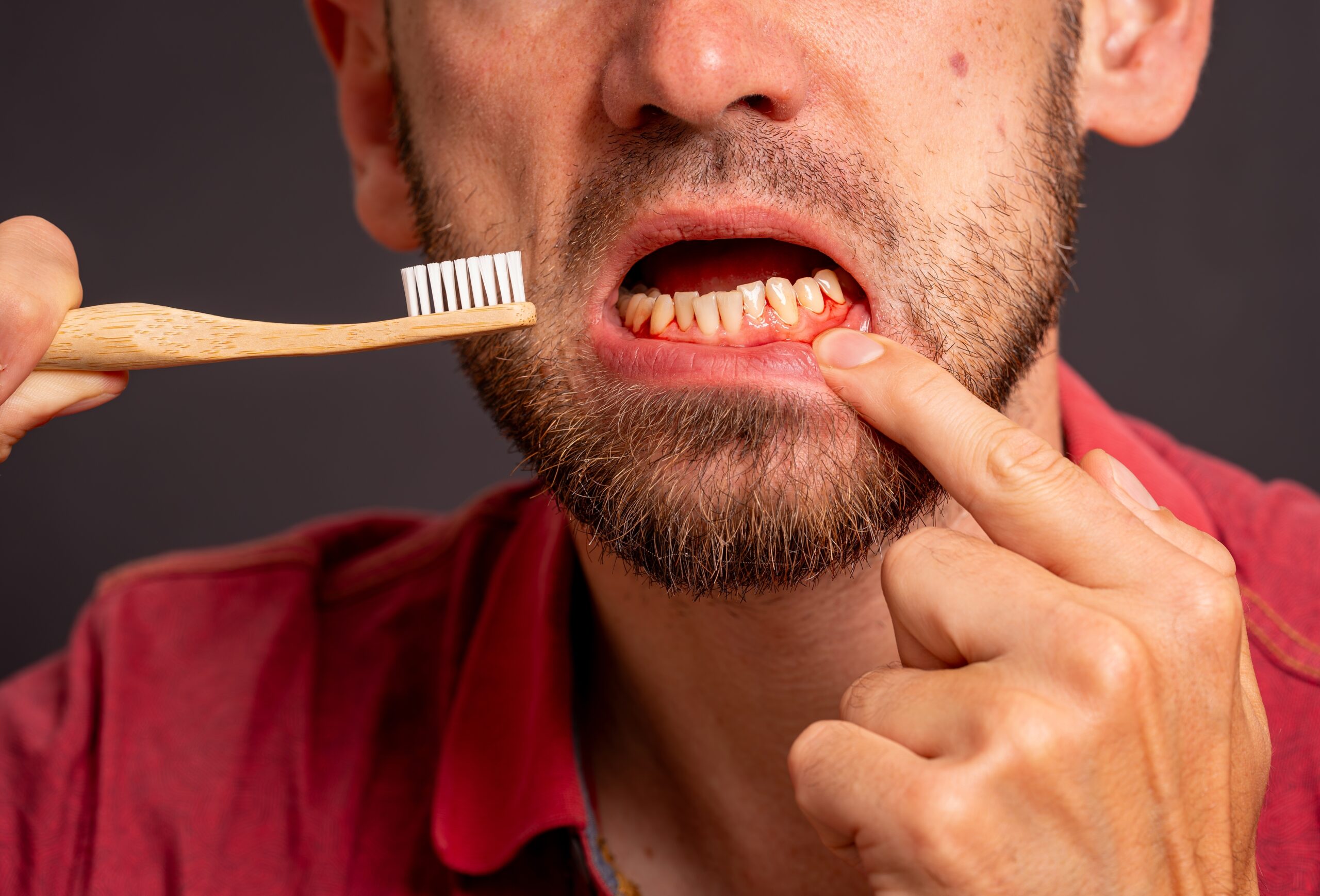
Gums that bleed during brushing get dismissed as “I brushed too hard.” That excuse collapses under basic biology: gum tissue depends on collagen, and collagen depends on vitamin C. Without enough vitamin C, repair slows, tiny blood vessels become fragile, and inflammation lingers. That pattern shows up historically in scurvy and shows up today in milder form when diets drift away from produce. The result feels trivial—until it doesn’t.
Gingivitis, the early stage of gum disease, is where vitamin C keeps showing its best hand. Reviews summarize clinical trials where supplementation reduced bleeding indices and visible inflammation in people with gum irritation. That aligns with what dentists see in real life: gums often calm down when patients stop treating food like an afterthought. Conservative common sense applies here—maintenance beats rescue, and prevention costs less than repair.
Get fast, reliable health advice from your AI doctor now.
What Vitamin C Actually Does in Your Mouth (And What It Can’t Do)
Vitamin C works like a construction foreman and a fire extinguisher at once. It helps the body build and stabilize collagen that holds gum tissue tight around teeth, and it helps neutralize oxidative stress that fuels chronic inflammation. Some reviews also describe antibacterial effects against common oral bacteria. None of that means vitamin C “cures” periodontal disease. It supports the terrain; it doesn’t replace cleanings, flossing, or treating infection pockets.
That limitation matters because periodontitis is not just “angry gums.” Severe disease involves deeper attachment loss and bone changes. Multiple analyses point to a frustrating reality: once disease becomes advanced, vitamin C may not add much on top of standard periodontal therapy. People want a single magic nutrient; biology rarely cooperates. Vitamin C looks most credible as a protective factor and an early-stage helper, not a late-stage miracle.
Watch:
The Evidence: Strong Associations, Messy Humans
Systematic reviews pulling together cross-sectional studies, cohort data, and trials generally find an inverse relationship between vitamin C intake or blood levels and periodontal problems. The signal is consistent enough to take seriously, but the details get noisy. One major review reports high heterogeneity, which is a polite way of saying humans don’t behave like lab mice. Diet patterns, smoking, diabetes control, oral hygiene, and access to dental care all blur the picture.
Still, the direction of the evidence keeps leaning the same way: low vitamin C status tracks with worse gum measurements, including bleeding and clinical attachment issues. For adults over 40, that’s not academic. Gum disease is a slow burn; it can simmer for years while you feel “fine,” then suddenly you’re managing loose teeth, expensive procedures, and chronic bad breath. Nutritional gaps rarely announce themselves politely.
Your instant doctor companion – online 24 hours a day.
Why Tomatoes Keep Showing Up in This Conversation
Tomatoes matter less because they’re magical and more because they’re common, affordable, and easy to use daily. They supply vitamin C in a form people will actually eat—fresh, cooked, in sauces, and in salads. That practicality is the point. Many adults don’t maintain consistent fruit and vegetable intake, then act surprised when tissues that need constant repair start failing. A tomato isn’t a dental device, but it can be a habit anchor.
Tomatoes also keep the discussion grounded. The research supports vitamin C’s role broadly, not “tomato-specific” outcomes. That distinction is important because marketing loves to jump from “contains vitamin C” to “prevents severe disease.” The strongest, most defensible takeaway is simpler: consistent vitamin C intake supports periodontal health and may reduce risk or severity, particularly in earlier stages. The rest depends on total lifestyle and dental care.
This common tomato nutrient may help prevent severe gum disease https://t.co/POtwohjXVL
— Zicutake USA Comment (@Zicutake) February 10, 2026
High-Risk Groups: Smokers and Diabetics Don’t Get the Same Margin for Error
Vitamin C shortfalls hit harder when the body already runs under stress. Smoking increases oxidative burden and impairs healing; diabetes can amplify inflammation and impair tissue repair when blood sugar control slips. Reviews repeatedly flag these groups as more vulnerable to periodontal breakdown. The sensible approach isn’t to argue about blame; it’s to face the scoreboard. If you’re in a higher-risk category, you need more discipline, not more wishful thinking.
That discipline looks boring: routine cleanings, daily plaque control, and food that supports healing instead of sabotaging it. Vitamin C becomes a practical lever because it’s cheap and measurable in diet quality. The conservative instinct to favor low-cost, personal responsibility solutions fits well here—no bureaucracy required. Just don’t confuse “helpful” with “sufficient.” Periodontitis remains a bacterial and inflammatory disease that demands direct oral care.
Chat safely, anytime, with My Healthy Doc.
The Real “Severe Gum Disease” Trap: Waiting for Pain
Severe periodontal disease often advances without sharp pain. People wait for a dramatic symptom, but gums usually whisper first—bleeding, swelling, tenderness, or persistent bad breath. When those cues appear, nutrition can be part of the correction, especially if vitamin C intake has been inconsistent. A clinician can assess pockets and attachment loss, but you can still control the daily inputs that shape recovery.
This common tomato nutrient may help prevent severe gum disease – https://t.co/4LKZYb0vKe
— Ken Gusler (@kgusler) February 10, 2026
Practical bottom line: treat vitamin C as foundational maintenance, not as a late-stage rescue plan. Tomatoes can help you hit consistent intake, but they don’t replace periodontal therapy when disease turns severe.
Sources:
Beneficial Effects of Vitamin C in Maintaining Optimal Oral Health
Vitamin C and periodontal health: systematic review up to April 2024 (PMC)
Systematic review (2019, PMC): vitamin C and periodontal disease progression
Thieme review (PDF): vitamin C and periodontal outcomes
Bleeding Gums May Signal You Need Vitamin C