

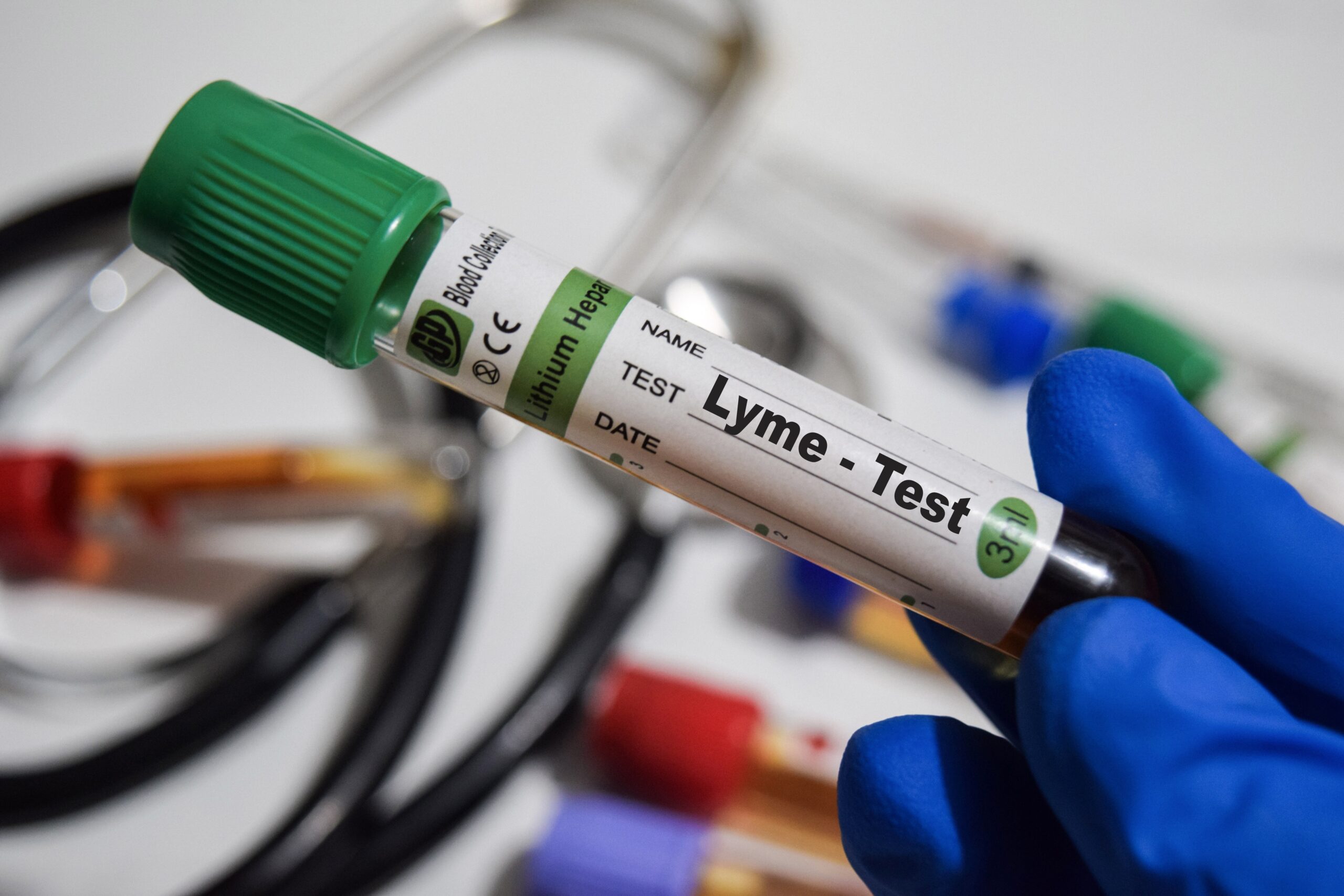
Lyme disease—ancient natural menace or sinister government bioweapon? Joe Rogan has reignited a firestorm with his viral claims, but scientific evidence delivers a reality check that’s sure to frustrate anyone sick of wild conspiracies and government distraction tactics.
At a Glance
- Lyme disease was first identified in Connecticut in 1975, not in a secret government lab.
- Genomic and fossil evidence shows the bacteria behind Lyme disease have existed in North America for tens of thousands to millions of years.
- No credible scientific research links Plum Island, or any laboratory, to the origin of Lyme disease.
- Conspiracy theories, amplified by public figures, continue to stoke public mistrust in science and health agencies.
Joe Rogan’s Viral Rant and the Lab Leak Theory
Joe Rogan, never one to shy away from a controversial topic, recently fanned the flames of suspicion by suggesting, yet again, that Lyme disease might be the result of a government bioweapons experiment gone wrong. This theory, which centers on the nearby Plum Island Animal Disease Center, has been swirling around conspiracy circles for years. Rogan’s viral podcast clip has dragged the theory back into the limelight, giving frustrated Americans yet another reason to distrust anything with a government stamp on it. For those already weary of opaque government operations and a media ecosystem that treats questions as threats, this story is tailor-made for skepticism and outrage.
Joe Rogan: "Lyme disease turns out was man made. Turns out there's a lot of real evidence that Lyme disease was weaponized, and that it leaked out of a lab called Plum Island."pic.twitter.com/wAs1qmclhA
— Joe Rogan Podcast News (@joeroganhq) July 10, 2025
But here’s the kicker: while the notion of bureaucrats bungling a bioweapon experiment is the stuff of Hollywood thrillers, the scientific record tells a different, far less convenient story. The bacteria responsible for Lyme disease—Borrelia burgdorferi—were first identified in the 1980s, but their genetic fingerprints show they’ve been lurking in North America since long before the founding of the United States, let alone the era of secretive government labs. The fossil record and genomic analysis lay waste to the idea that Lyme is a modern invention or a product of government incompetence run amok.
Watch a report: Was Lyme disease manufactured in a lab as a bioweapon?
What the Science Actually Says: Lyme Is Ancient, Not Engineered
Peer-reviewed studies from Yale and Oregon State University, grounded in hard genetic and fossil evidence, reveal that Borrelia bacteria have existed in North America for at least 60,000 years and perhaps as long as 15 million years worldwide. These bugs were here before people, before the Constitution, and certainly before government bioweapons grants. The scientific consensus is unambiguous: Lyme disease is a naturally occurring zoonosis, not a human invention or a product of lab mismanagement.
Researchers have scoured the records and found zero evidence of Borrelia, or any related illness, being manufactured, weaponized, or intentionally released by any government, including at the much-maligned Plum Island facility. The emergence of Lyme disease in the public consciousness in the late 20th century is attributed to environmental changes, exploding deer populations, and increased human encroachment into tick habitats—not to a covert government project gone sideways.
Why the Conspiracy Theory Won’t Die—and Who Gets Hurt
The persistence of the Plum Island lab-leak theory has more to do with public mistrust, media sensationalism, and a hunger for accountability than it does with scientific fact. Let’s face it: Americans are fed up with bureaucratic secrecy, endless government spending, and a sense that the people in charge are never held responsible for their mistakes. When something as insidious as Lyme disease comes along, spreading misery and costing billions, it’s no wonder folks are ready to believe there’s something bigger—and more sinister—at play.
But while it’s tempting to chalk up every modern woe to government overreach or incompetence, the reality is that Lyme disease’s spread is a public health challenge, not a bioweapon boondoggle. The danger is that these conspiracy theories only muddy the waters for patients desperate for treatment, fuel political polarization, and waste precious energy that could be spent demanding actual accountability—like transparency in government spending, securing our borders, or protecting citizen rights. Instead, the narrative gets hijacked by theories that distract from real threats and real solutions.