

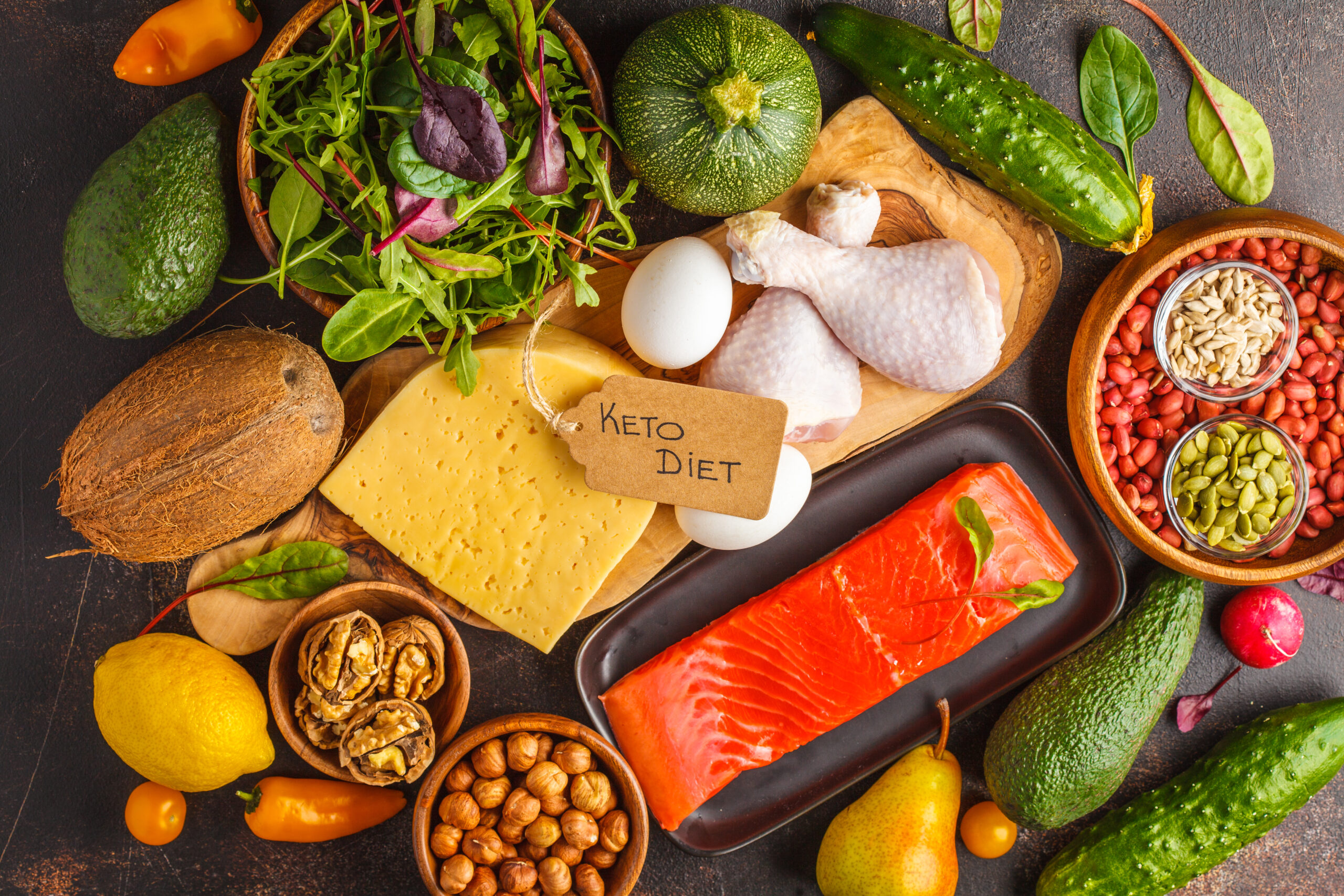
The keto diet can make the scale drop fast, then quietly move the damage to your liver, blood, and pancreas.
Quick Take
- A 2025 University of Utah Health study in mice linked long-term ketogenic eating to fatty liver, worse glucose control, and abnormal blood fats despite early weight loss.
- Metabolic trouble intensified over time, showing up as progressive glucose intolerance and signs of pancreatic stress.
- Some harms improved when the animals stopped the diet, suggesting “reversibility” may exist—but only after paying a price.
- Medical groups and clinicians flag practical risks: kidney stones, nutrient gaps, low blood pressure, and trouble for people with liver or pancreas issues.
The Study That Punctured Keto’s “Forever Plan” Story
University of Utah Health researchers put mice on a very-high-fat, very-low-carb ketogenic diet for months, a stretch meant to mimic years of human dieting. The pattern looked familiar: early weight loss that fuels social media testimony. Then the bill came due. The mice developed fatty liver disease, rising blood lipids, impaired insulin response, and worsening glucose intolerance over time, plus signs of pancreatic strain.
The most useful takeaway for real life isn’t “mice equal humans,” because they don’t. The real takeaway is that the experiment finally tested what most people avoid testing on themselves: strict keto as a long-term lifestyle. Short trials can flatter almost any diet, especially when people cut sugar and refined carbs. Months later, biology stops applauding and starts accounting, and this study tracked that accounting step by step.
Journal Science: Keto diet weight loss may come with a hidden cost
In the experiment the animals developed:
*Fatty liver disease
*Abnormal blood fats
*Insulin resistance
*Male suffered moreJournal: https://t.co/CBEdZRpyon @_atanas_
Press: https://t.co/cxzVeRWlvk @drjkahn— Dr. Eddie Ramirez (@EddieRDMD) January 28, 2026
Why the Body Stores “Somewhere” When Carbs Stay Near Zero
Amandine Chaix, the study’s senior author, boiled the mechanism down to a blunt truth: fat has to go somewhere. If you run a constant high-fat intake while keeping carbohydrates extremely low, you may lower glucose spikes in the short run, but you also flood the system with lipids that must be transported, stored, or burned. In the Utah work, excess lipids piled into blood and liver, a setup that aligns with fatty liver and hyperlipidemia risk.
Readers over 40 already know the trap: “My labs look great” can be a moment in time, not a guarantee. When the liver accumulates fat, it can lose metabolic flexibility. When blood lipids climb, arteries don’t care that the diet had a clever name. Common sense says any eating pattern that requires heroic willpower, constant tracking, and a narrow menu invites corner-cutting—processed meats, cheese-heavy plates, and “keto treats”—that can turn a clinical theory into a practical mess.
Short-Term Wins vs. Long-Term Tradeoffs: The Timeline Matters
Plenty of people report early success on keto, and the research record supports that short-term improvements can happen. Lower appetite, water loss, reduced refined carbs, and structured rules can produce rapid change. The problem arrives when people turn a short intervention into a permanent identity. In the Utah experiment, glucose intolerance worsened as the weeks passed, showing that duration can flip the narrative from “control” to “creeping dysfunction.”
That’s the open loop many dieters never close: what happens after the honeymoon phase. A diet that “works” for 24 weeks can still be a poor choice for 24 months, especially if it pushes the body toward fatty liver or stresses insulin-producing pathways. A conservative, responsibility-first approach treats weight loss as part of health, not the whole definition of it. Lower weight with damaged organs isn’t a win; it’s a delayed loss.
Chat safely, anytime, with My Healthy Doc.
Who Should Be Most Cautious, and Why Doctors Keep Saying “Talk to Us”
Clinical guidance from major medical centers echoes the risk profile: ketogenic diets can bring side effects like low blood pressure, kidney stones, and nutrient deficiencies, and they can be unsafe for people with certain pancreas or liver conditions. That matters because the most motivated keto adopters often include people already worried about blood sugar, fatty liver, or metabolic syndrome. The stricter the diet, the higher the stakes if you have hidden vulnerability.
Age changes the equation, too. People in midlife often carry more visceral fat, more blood-pressure issues, and more medication complexity than they did at 28. Keto can also reduce food variety, which makes it harder to cover fiber, minerals, and micronutrients without deliberate planning. The practical conservative question becomes: does this diet reduce dependence on medications and medical visits long-term, or does it create new appointments you didn’t bargain for?
Meet My Healthy Doc – instant answers, anytime, anywhere.
A Practical Way to Use the Findings Without Falling for Diet Tribalism
The Utah mouse results included a detail people should not ignore: some damage appeared reversible after stopping the diet. That is not permission to gamble; it is a warning label with a small escape hatch. If you insist on keto, treat it like a time-boxed strategy with medical monitoring, not a forever plan. Track lipids, liver markers, glucose trends, and how you actually eat—not how the diet is supposed to look on paper.
The boring but effective alternative rarely goes viral: prioritize whole foods, adequate protein, high-fiber plants, and a calorie level you can sustain without white-knuckling. A diet that lets you attend a family dinner, keep your blood work stable, and stay consistent for years will beat an extreme plan that delivers quick photos and long-term repairs. Weight loss should feel like a life getting simpler, not a body getting cornered.
Got a health question? Ask our AI doctor instantly, it’s free.
Sources:
Is The Keto Diet Safe Long-Term? New Study Raises Alarming Risks
New Study Links Keto Diet to Severe Long-Term Health Risks
Ketogenic Diet: What Are the Risks?
Ketogenic diet impairs pancreas β-cell response and causes metabolic dysregulation in mice
New study in mice reveals long-term metabolic risks of ketogenic diet
A long-term ketogenic diet accumulates aged cells in normal tissues, a UT Health San Antonio-led study shows
Ketosis