
Two decades of following women’s eating habits just revealed that the right diet slashes stroke risk by nearly one-fifth, and the answer isn’t found in a pill bottle or a surgical suite.
Story Snapshot
- Over 105,000 women tracked for 21 years showed Mediterranean diet followers had 18% lower stroke risk
- Hemorrhagic stroke risk dropped 25% while ischemic stroke risk fell 16% among highest adherents
- Diet emphasizes plant-based foods, fish, and olive oil while limiting red meat and saturated fats
- Results demonstrate association rather than direct causation but suggest powerful dietary influence on stroke prevention
The Mediterranean Answer to America’s Stroke Crisis
Researchers tracked more than 105,000 women across 21 years, examining how closely participants followed Mediterranean dietary patterns. Women who adhered most faithfully to this eating style experienced an 18% reduction in overall stroke risk compared to those with the lowest adherence. The magnitude of this finding challenges the conventional wisdom that genetics and pharmaceutical interventions represent our primary defense against cardiovascular events. Instead, the evidence points to something far more accessible: the food we choose to put on our plates three times daily.
Breaking Down the Protection by Stroke Type
The study revealed nuanced benefits across different stroke categories. Hemorrhagic strokes, caused by bleeding in the brain, showed a remarkable 25% risk reduction among women most committed to Mediterranean eating patterns. Ischemic strokes, triggered by blood clots blocking brain arteries, demonstrated a 16% decrease. These aren’t marginal improvements. For a condition that strikes nearly 800,000 Americans annually and remains a leading cause of disability, these percentages translate into tens of thousands of potentially prevented strokes, preserved lives, and families spared from devastating medical crises.
Watch:
What Actually Defines This Protective Diet
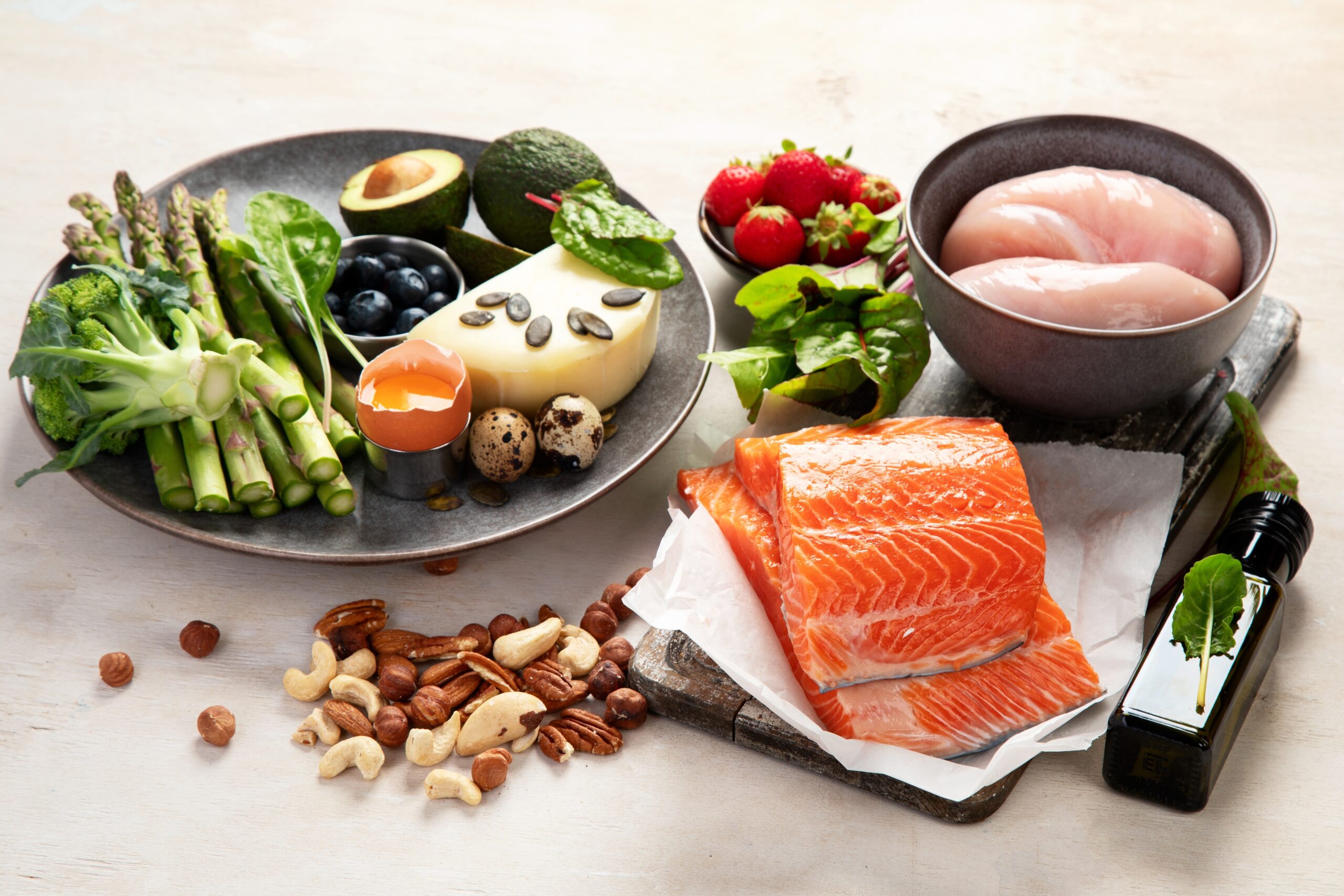
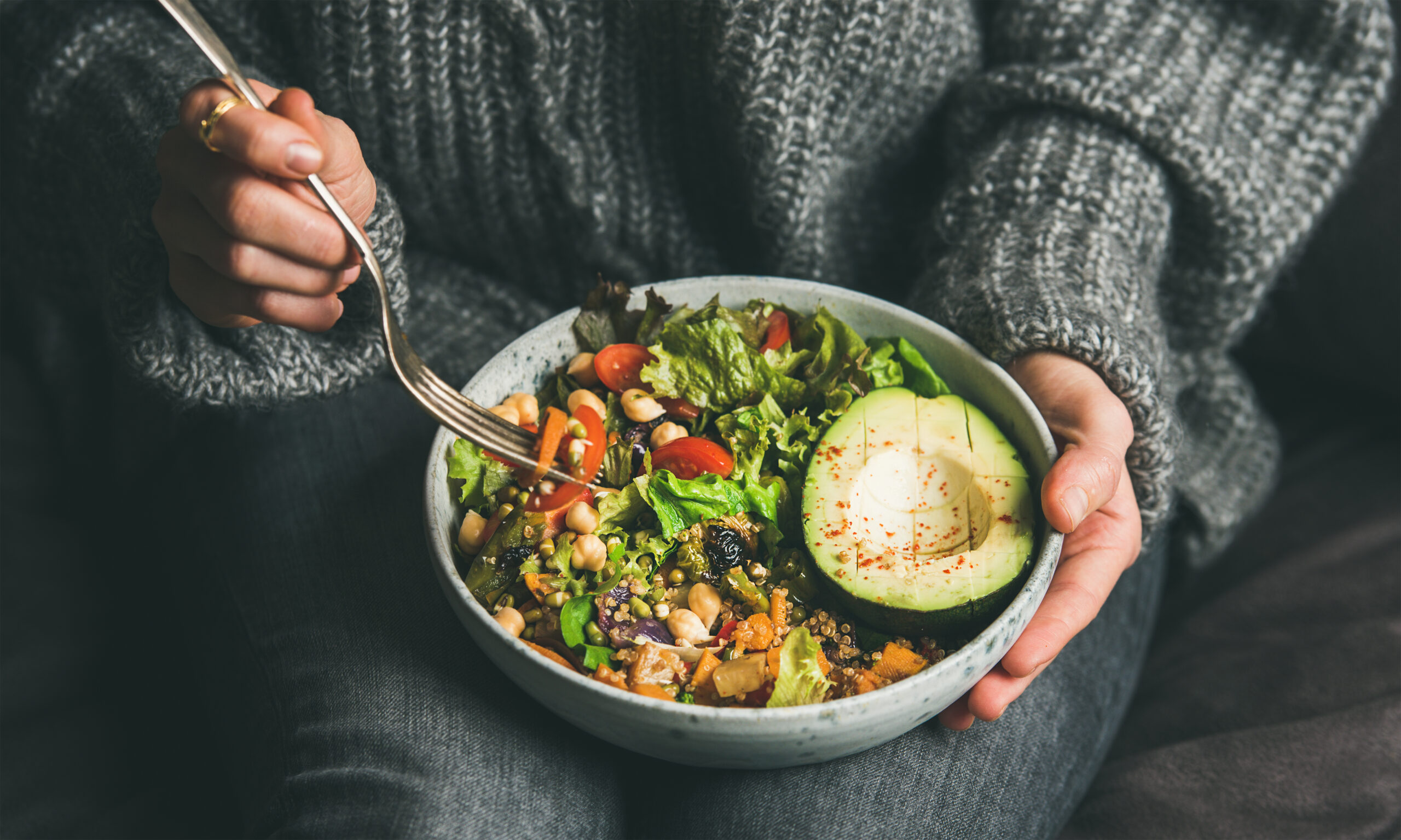
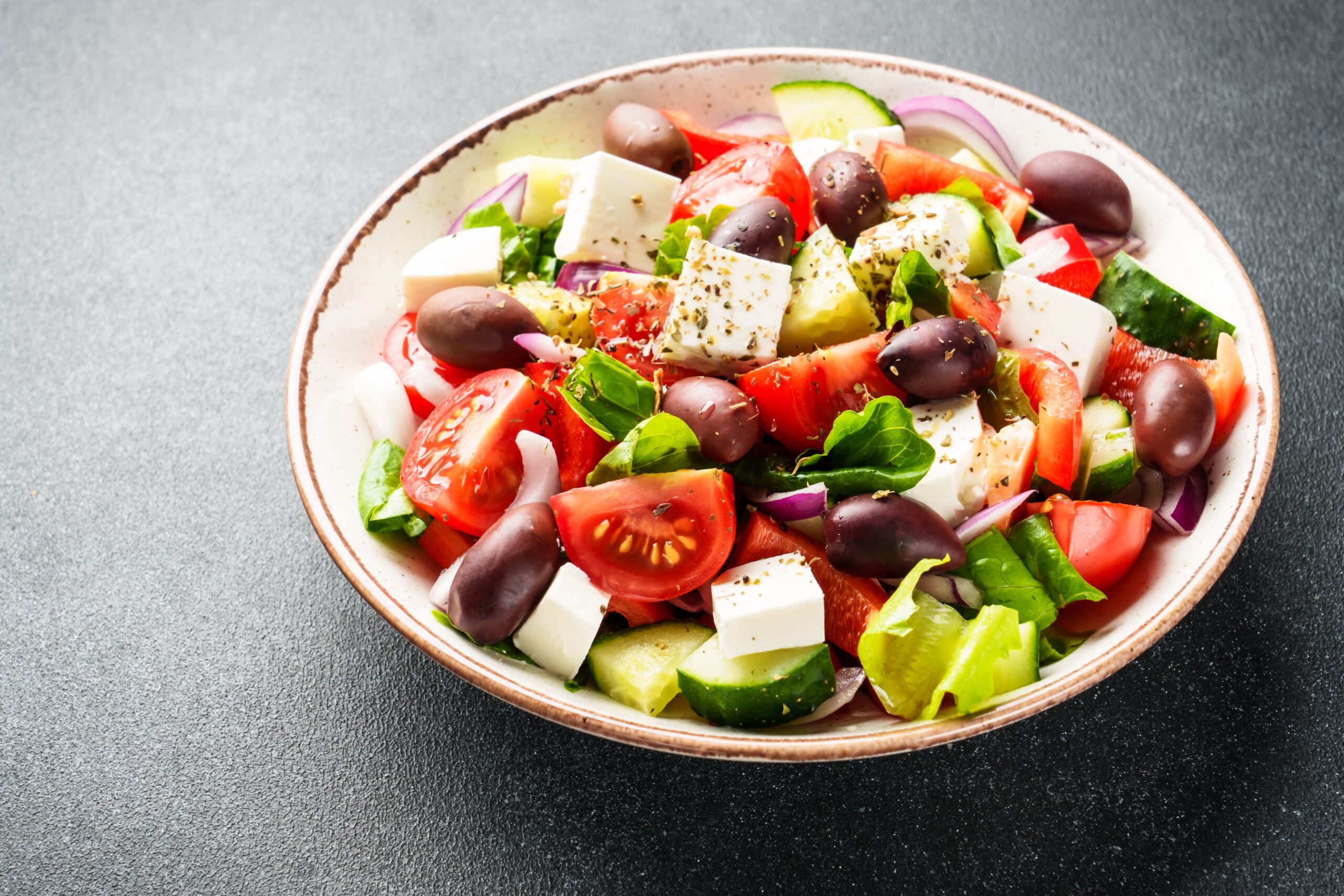
The Mediterranean diet isn’t a trendy elimination plan or calorie-restriction scheme. It centers on abundant plant-based foods including vegetables, fruits, whole grains, legumes, and nuts. Fish and poultry feature regularly, while red meat appears sparingly. Olive oil serves as the primary fat source, replacing butter and other saturated fats. Moderate alcohol consumption, typically red wine with meals, rounds out the pattern. This isn’t deprivation eating. It’s a sustainable approach rooted in centuries of cultural tradition from regions where cardiovascular disease historically appeared less frequently than in Western nations.
The Association Versus Causation Reality
Scientific integrity demands acknowledging what this study can and cannot prove. The researchers identified a strong association between Mediterranean diet adherence and reduced stroke risk, but association differs from direct causation. Women who follow Mediterranean eating patterns may also exercise more consistently, avoid smoking, manage stress effectively, or possess genetic advantages. The study controlled for known confounding variables, yet unmeasured factors could contribute to the observed benefits. That said, the consistency of findings across stroke types and the robust sample size over two decades provide compelling evidence that diet plays a substantial protective role.
Why This Matters for Personal Health Decisions
Americans spend billions on supplements, medications, and medical interventions to reduce cardiovascular risk. Meanwhile, the evidence continues mounting that fundamental dietary changes deliver measurable protection without prescriptions or side effects. The Mediterranean approach doesn’t require exotic ingredients or complicated meal planning. It asks people to prioritize whole foods over processed products, healthy fats over saturated ones, and plant-based nutrition over meat-heavy plates. For women concerned about stroke risk—and the men who share similar cardiovascular vulnerabilities—this 21-year study offers clear direction. The fork you lift at dinner tonight carries more power than most people recognize, and the cumulative effect of better choices compounds over decades into significant risk reduction that no pharmaceutical company can patent or profit from.
Sources:
https://www.eatingwell.com/mediterranean-diet-stroke-study-11905130
https://edition.cnn.com/2026/02/04/health/women-mediterranean-diet-stroke-risk-wellness