
Fitness trends for 2026 empower everyday Americans to reclaim personal health and self-reliance, rejecting globalist agendas for true individual wellness.
Story Highlights
- Wearable technology tops trends, enabling real-time, personalized workouts without relying on bloated federal programs.
- Active aging programs prioritize longevity and injury prevention for seniors, supporting family values and independence.
- AI integration streamlines gym operations, cutting costs and promoting free-market efficiency over wasteful spending.
- Mind-body trends like yoga and core training foster mental resilience, countering woke mental health distractions.
- Sustainability focus aligns with practical American values, not extreme climate hysteria driving up costs.
Wearables Lead the Charge for Personalized Fitness
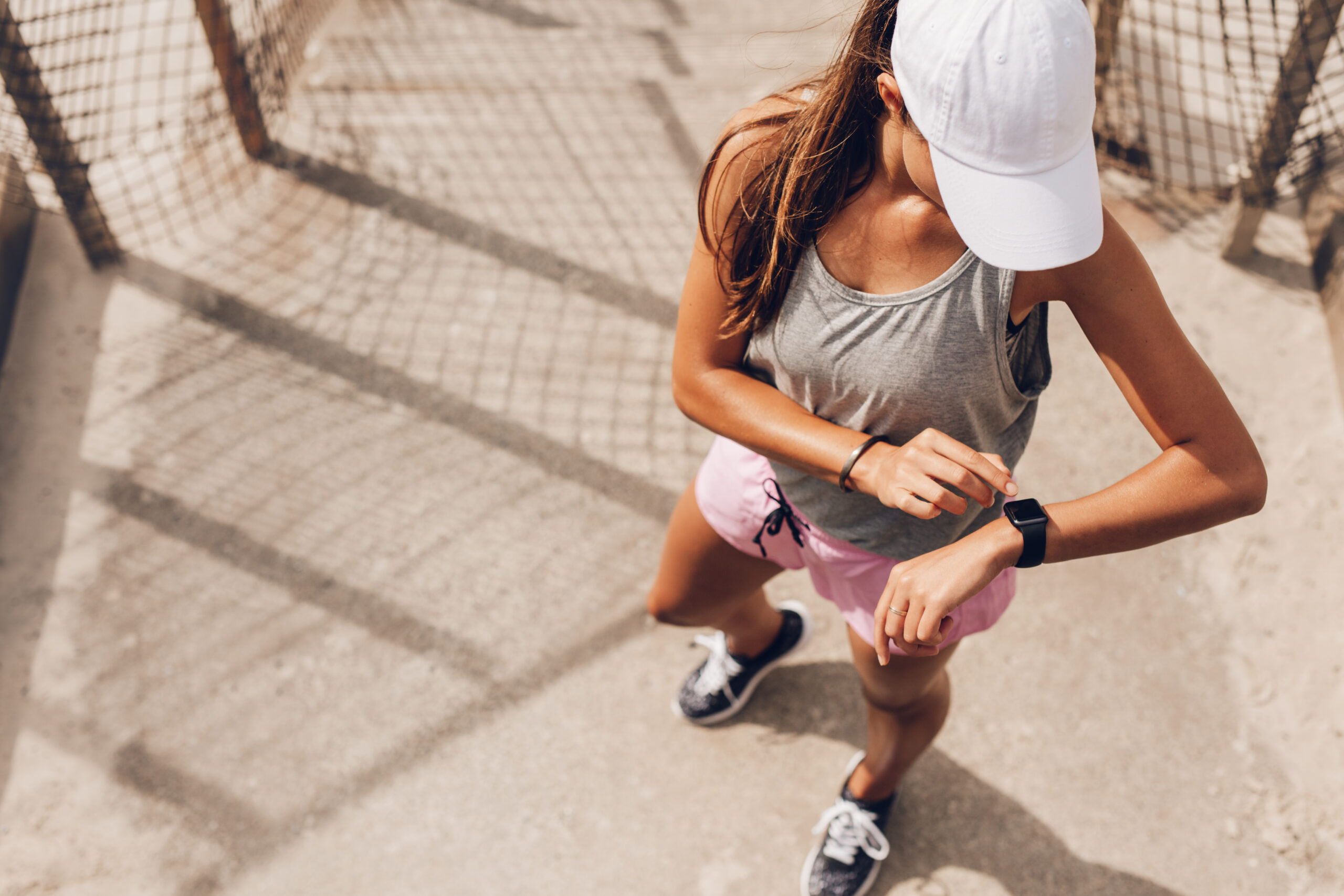
Nearly half of U.S. adults own fitness trackers or smartwatches, shifting focus from basic tracking to real-time programming based on individual physiology. Trainers now adjust workouts instantly using wearable data, delivering client-centered decisions without guesswork. This mainstream adoption, ranked number one by ACSM, optimizes health behavior change and empowers users to take control of their fitness. President Trump’s emphasis on personal responsibility aligns perfectly with this self-reliant approach, freeing Americans from dependency on inefficient government health initiatives.
Active Aging Supports Independent Seniors
Fitness programs for older adults rank second, addressing demographic shifts toward longevity and preventive health. Programming targets injury prevention, mobility, and functional strength for aging populations, including those navigating perimenopause or menopause. This trend reflects growing consumer demand for practical solutions that keep families strong and self-sufficient. In an era of fiscal discipline under Trump, such initiatives promote individual liberty by enabling seniors to stay active without burdening taxpayers through overspending on entitlements.
AI and Apps Drive Efficiency and Innovation
Artificial intelligence moves beyond trend status to become the backbone of fitness operations, handling programming, scheduling, and personalization. Gyms use AI to cut labor costs, predict member churn, and automate tasks, fostering free-market competition. Mobile exercise apps evolve to measure stress and cognitive fatigue, timing workouts to prevent burnout. Dr. Ted Vickey of ACE Fitness highlights how workouts now derive from wearable data, translated into actionable plans that prioritize results over bureaucracy.
Weight management integrates strength training for diverse groups, including those using medications, sustaining demand while promoting sustainable habits. This data-driven evolution counters past fiscal mismanagement that fueled inflation, offering cost-effective wellness in Trump’s thriving economy.
Watch:
Meet My Healthy Doc – instant answers, anytime, anywhere.
Holistic Trends Reinforce Conservative Values
Balance, flow, and core strength regain momentum post-pandemic, with Pilates and yoga emphasizing holistic health and mind-body connection. Neurohacking workouts feature dual-task drills and VR puzzles to boost neuroplasticity, aiding vibrant aging and cognitive recovery. Sustainability trends promote outdoor workouts and eco-friendly gear, aligning with practical stewardship rather than radical globalism. Dr. Rachelle Reed explains these build core strength and mindfulness for injury prevention, resonating with family-oriented Americans seeking resilience.
Start your health journey now.
Sources:
ACSM (American College of Sports Medicine) Top Fitness Trends 2026
IFPA Fitness Forecast 2026: The Surprising Wellness Trends Trainers Can’t Ignore
Les Mills 7 Key Trends Shaping Fitness in 2026
ACE Fitness 10 Fitness Trends in 2026 and Beyond