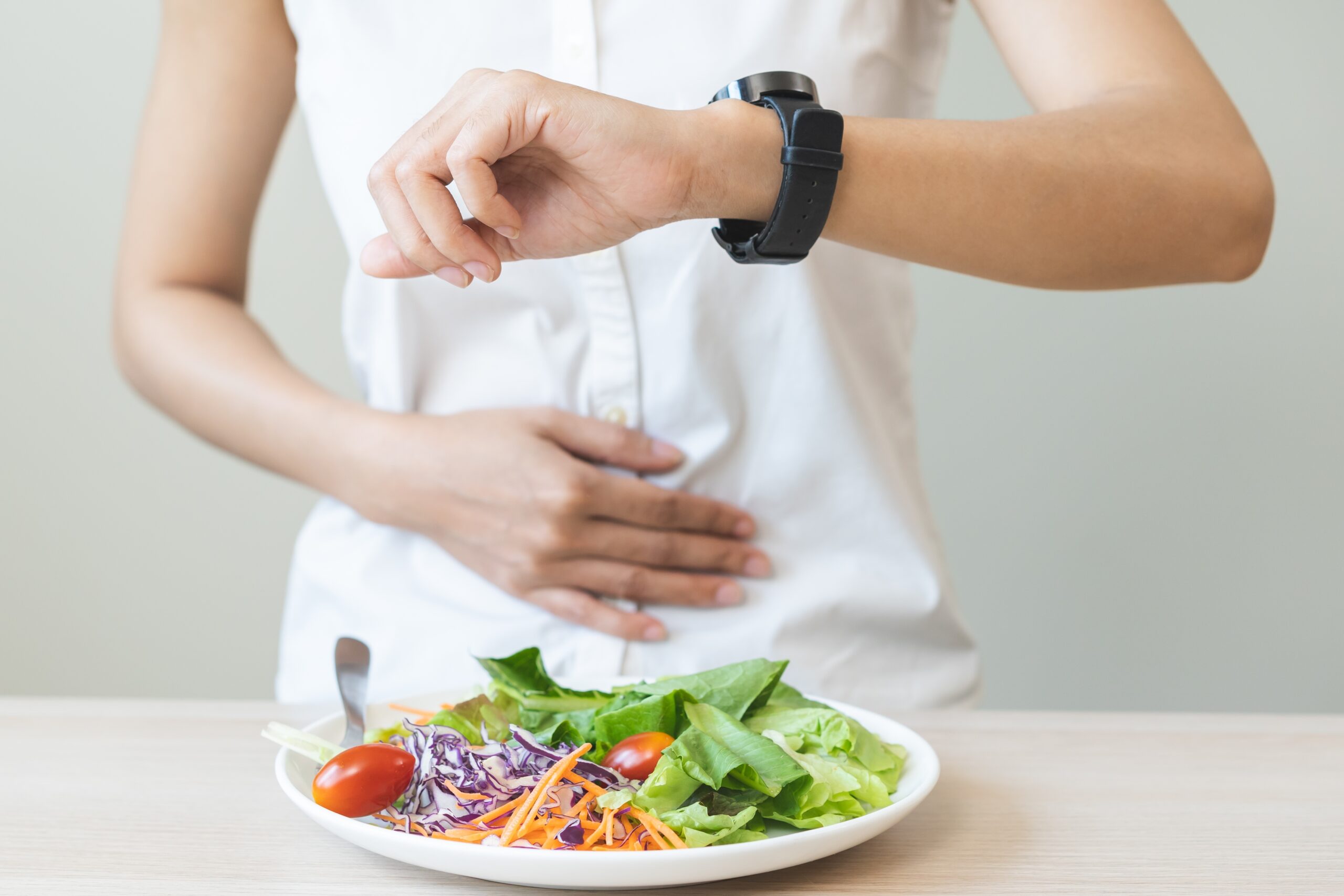

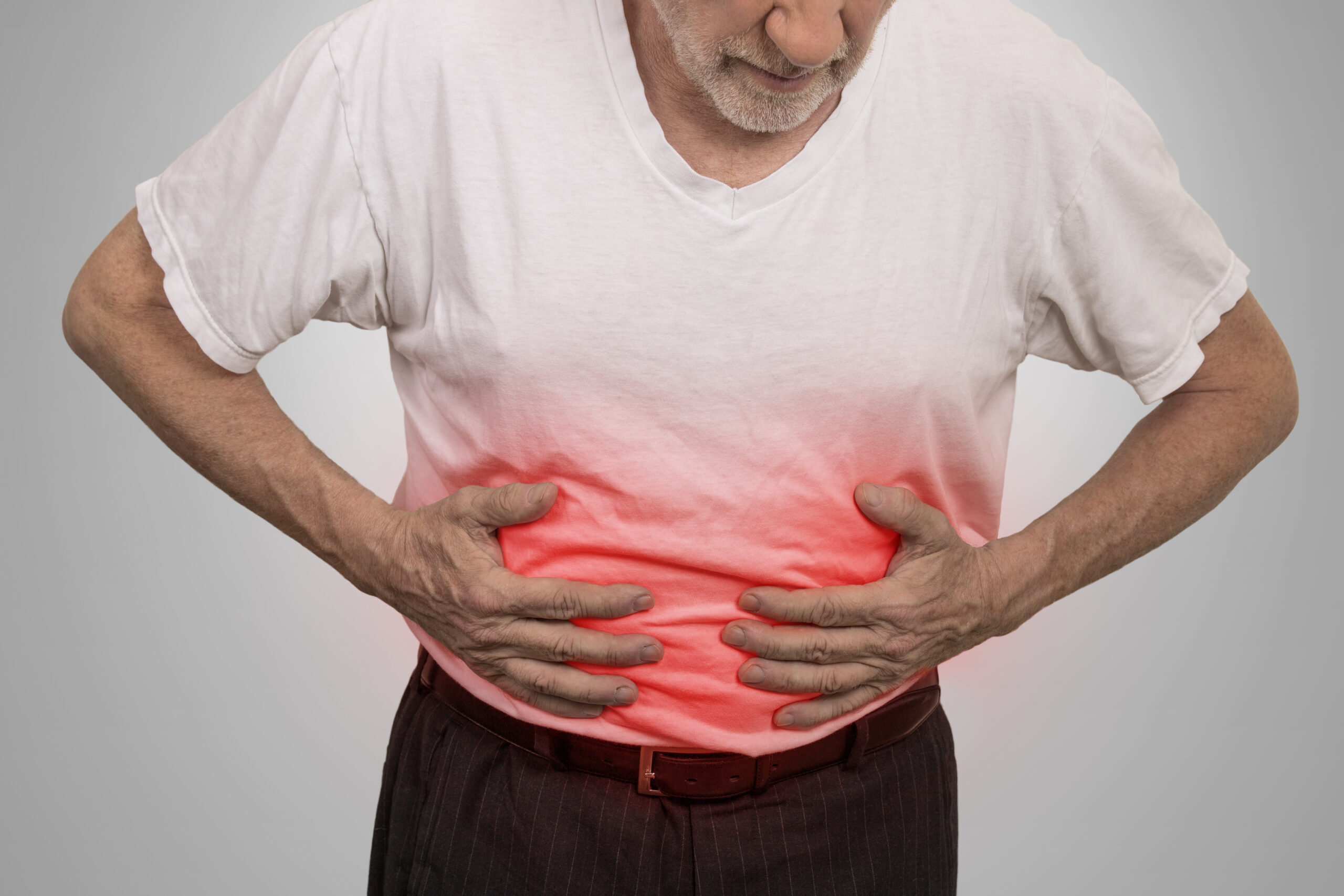
The foods sitting in your pantry right now could be quietly fueling one of the most devastating digestive diseases known to medicine.
Story Overview
- Red meat and processed foods significantly increase Crohn’s disease risk according to umbrella research reviews
- Ultra-processed foods containing emulsifiers and additives trigger gut inflammation that can lead to chronic disease
- Plant-based diets high in fiber show protective effects and aid remission in existing patients
- Crohn’s disease incidence has risen dramatically since industrialization and the Western diet shift
The Hidden Culprits on Your Dinner Plate
Research consistently points to red meat and processed foods as the primary dietary villains in Crohn’s disease development. These aren’t just correlations buried in obscure medical journals. Major medical organizations, including the Crohn’s & Colitis Foundation and Mayo Clinic, now acknowledge that diets heavy in processed meats, saturated fats, and ultra-processed foods create a perfect storm for inflammatory bowel disease.
The mechanism isn’t mysterious. Ultra-processed foods loaded with emulsifiers, artificial sugars, and chemical additives disrupt the delicate balance of gut bacteria. This dysbiosis triggers abnormal immune responses in genetically susceptible individuals, setting the stage for chronic inflammation that characterizes Crohn’s disease.
The Industrialization Connection Nobody Talks About
Crohn’s disease was first recognized in 1932, but its incidence has skyrocketed since the mid-20th century. This timeline perfectly mirrors the rise of processed food consumption in Western societies. Countries that adopted Western dietary patterns experienced corresponding increases in inflammatory bowel diseases, creating a natural experiment spanning decades.
The foods most strongly linked to increased risk read like a grocery store’s processed food aisle: potato chips, sodas, candy bars, processed meats, and foods high in saturated fats. These items offer minimal nutritional value while maximizing inflammatory potential. The umbrella reviews examining this connection don’t mince words about the dietary risks involved.
Meet My Healthy Doc – instant answers, anytime, anywhere.
The Fiber Defense Your Gut Craves
While processed foods assault the digestive system, plant-based foods provide powerful protection. High-fiber diets rich in fruits and vegetables consistently show lower Crohn’s disease risk in population studies. The protective effect appears strongest with diverse plant foods that feed beneficial gut bacteria and reduce systemic inflammation.
Patients following plant-forward diets during remission periods show better outcomes than those maintaining typical Western eating patterns. This challenges outdated medical advice that universally restricted fiber for all Crohn’s patients. The evidence now suggests fiber avoidance should be limited to active flare periods only.
Start your health journey now.
Beyond Individual Choice to Systemic Change
Medical experts emphasize that diet represents just one piece of the Crohn’s puzzle alongside genetics and immune system dysfunction. However, diet remains the most modifiable risk factor under individual control. The Academy of Nutrition and Dietetics recommends nutrient-dense foods to counteract the malabsorption issues common in inflammatory bowel disease.
Watch:
The implications extend beyond personal health choices to food policy and industry practices. As evidence mounts against ultra-processed foods, pressure increases for reformulation of common food products. Reducing emulsifiers, artificial additives, and inflammatory oils could benefit entire populations while specifically protecting those genetically predisposed to Crohn’s disease.
Your new health companion is online, ready when you are.
Sources:
Crohn’s & Colitis Foundation – How Diet Impacts IBD
Healthline – Crohn’s Disease Nutrition Guide
Academy of Nutrition and Dietetics – Crohn’s Disease and Diet
Mayo Clinic – Crohn’s Disease Symptoms and Causes
Mayo Clinic Health System – Lifestyle and Diet in IBD
Crohn’s & Colitis UK – Food and Diet Information
Cureus – The Role of Diet in Crohn’s Disease