
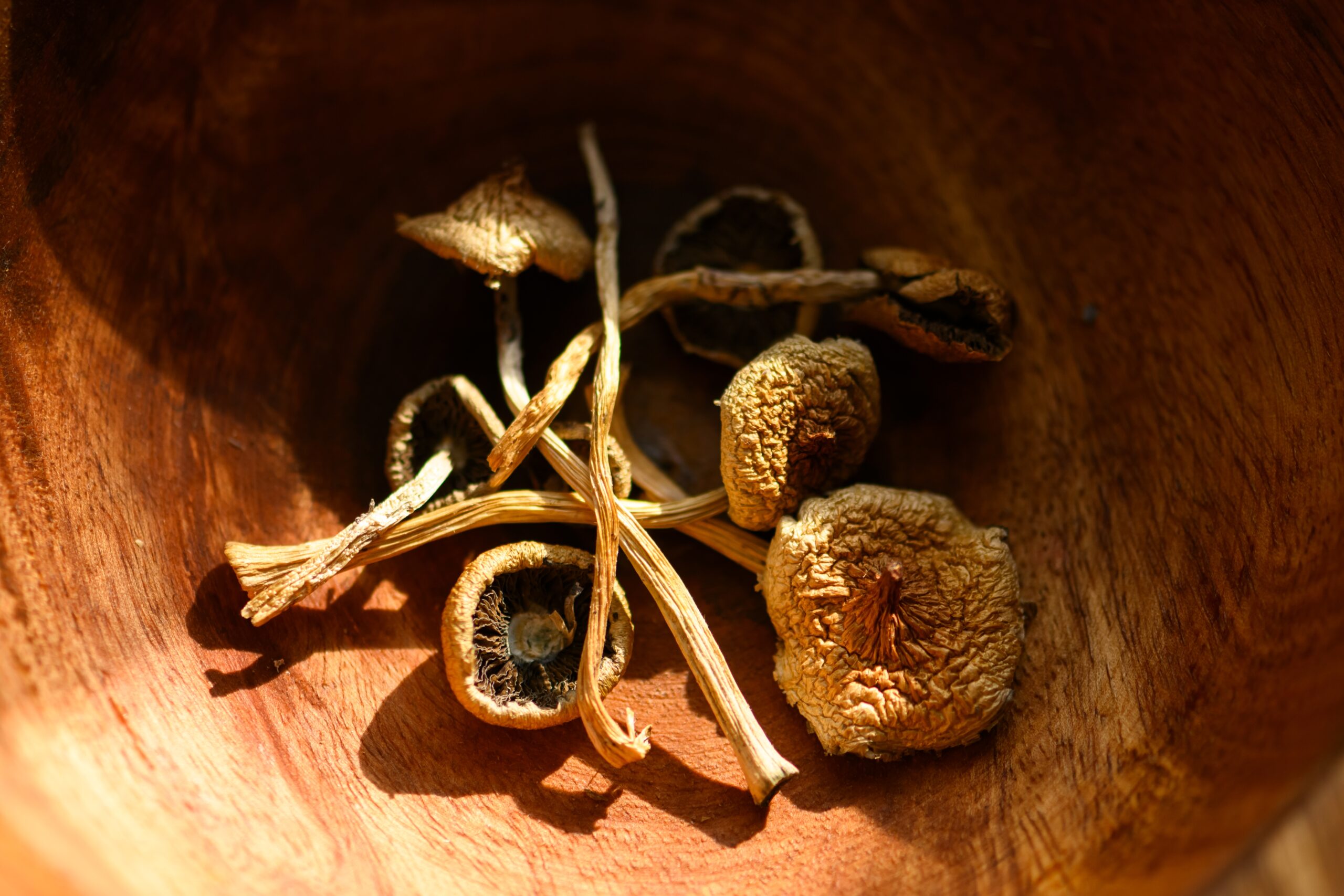
Psychedelic therapy promises to revolutionize mental health treatment, but one critical insight from history separates life-changing breakthroughs from dangerous pitfalls.
Story Snapshot
- Psychedelics like psilocybin and MDMA show 79% improvement rates in mood disorders from early studies.
- Therapy halted in 1970 by U.S. law after 40,000 patients benefited, now reviving with FDA breakthroughs.
- Key to safety lies in distinguishing low-dose psycholytic from high-dose psychedelic models.
- Modern centers at Johns Hopkins and Imperial College drive trials for PTSD and depression.
- Risks include adverse effects without expert protocols, echoing 1970s stigma.
Ancient Roots Meet Modern Science
Mesoamerican cultures used psilocybin mushrooms for centuries before Western science isolated mescaline in 1896. Albert Hofmann synthesized LSD in 1938, sparking 1950s research. Abram Hoffer and Humphrey Osmond pioneered psychedelic therapy in 1953, treating alcoholism by confronting deep traumas. European psycholytic therapy used low doses for insight, while North Americans favored high doses for profound resets. Thousands of patients received LSD by 1965, achieving successes in addiction and neurosis.
1970 Ban Crushes Momentum
The U.S. Controlled Substances Act of 1970 ended research amid counterculture fears, labeling psychedelics Schedule I drugs. This “psychedelic winter” ignored 40,000 treated patients and Grof’s 4,000 sessions. Stigma painted them as psychosis mimics despite evidence. Revival started in the 1990s with cautious trials. Neuroimaging like PET and MRI bridged animal data to humans, fueling meta-analyses showing 79% mood improvements from 1949-1973 studies. Funding shortages persisted as pharma hesitated.
Pioneers Reshape the Field
Roland Griffiths launched Johns Hopkins psilocybin program in 1999, proving mystical experiences aid therapy. Robin Carhart-Harris established Imperial College’s Centre for Psychedelics Research in 2009, revealing brain hyperconnectivity. Franz Vollenweider identified 5-HT2A receptor mechanisms in 1998. MAPS under Rick Doblin funds MDMA trials for PTSD. FDA granted breakthrough status to MDMA, psilocybin, and ketamine. Sandoz Laboratories distributed early LSD, now pharma eyes markets cautiously.
Academics lead collaborations, regulators approve trials, indigenous knowledge remains sidelined. Beckley Foundation supports timelines, emphasizing neuroplasticity gains.
Psychedelic Therapy Is the Next Big Thing. But There Are Risks—Unless You Know This. https://t.co/osLFBkzx4e pic.twitter.com/cumDTvxjgM
— Healthy Hoss 🍎 (@HealthyHoss) February 9, 2026
Trials Accelerate Toward Approval
By 2019, research centers institutionalized the field. Phase 3 trials for MDMA in PTSD and psilocybin in depression advance. 2006 studies confirmed psilocybin’s mystical benefits, 2011 targeted cancer anxiety. 2014 imaging showed enhanced brain communication. Prohibition Partners’ 2025 report maps progress from mescaline to now. Ketamine gains recognition for rapid depression relief. Funding hurdles linger, but FDA openness signals potential rescheduling.
Rewards and Real Dangers
Short-term, patients see faster symptom relief in treatment-resistant cases. Long-term, psychiatry shifts via neuroplasticity, challenging SSRIs. Patients with PTSD and addiction benefit most, stigma fades, decriminalization grows. Risks demand expertise: psychotomimetic effects mimic psychosis without protocols. Historical overhyping led to bans; common sense demands rigorous set, setting, and integration. Conservative values prioritize proven safety over hype—early data aligns when guided properly.
Watch:
Sources:
Human Psychedelic Research: A Historical and Sociological Analysis
Psychedelics Timeline of Key Developments – Psych: The Psychedelics as Medicine Report (3rd Edition)
The History of Psychedelics
A Brief Timeline of Psychedelic Use
Psychedelic Therapy
Psychedelic Research Timeline
PMC Article on Psychedelic Therapy Reviews
Looking Back: A Brief History of Psychedelic Psychiatry
History of Psychedelic Drugs in Medical Therapies
From Sacred Plants to Psychotherapy