

Forty percent of cancer cases could vanish tomorrow if people simply adopted seven science-backed daily habits that most Americans completely ignore.
Story Highlights
- Research shows 30-40% of cancers are preventable through modifiable lifestyle habits
- Only 24% of youth meet physical activity guidelines and just 11% eat adequate vegetables
- Obesity now drives 7.6-13% of cancers including breast, colorectal, and kidney cancers
- Medical experts forecast 2.1 million new US cancer cases in 2026, emphasizing prevention urgency
The Staggering Prevention Gap Most People Miss
Cancer strikes with seemingly random cruelty, but the latest research from the American Cancer Society reveals a shocking truth. Nearly half of all cancer diagnoses stem from controllable factors like diet, exercise, and weight management. Yet 72% of American adults report eating insufficient fruits and vegetables, while obesity rates continue climbing toward epidemic proportions.
The World Cancer Research Fund has identified ten evidence-based recommendations that could dramatically slash cancer risk. These aren’t trendy wellness fads or expensive supplements, but simple daily practices backed by decades of epidemiological studies. The tragedy? Most people treat cancer prevention like a lottery rather than a strategic defense.
The Seven Non-Negotiable Habits That Block Cancer
Maintaining a healthy weight tops every expert’s list because obesity fuels chronic inflammation linked to thirteen different cancer types. The American Association for Cancer Research now classifies obesity as a treatable disease requiring lifestyle interventions and potentially GLP-1 medications. This represents a seismic shift from viewing weight as purely cosmetic to recognizing it as a cancer prevention priority.
Physical activity delivers the second-biggest protective punch. Just 150 minutes of moderate exercise weekly reduces breast and colon cancer risk significantly. Yet only one in four young adults meets these basic movement guidelines, setting up future generations for preventable diagnoses. The exercise doesn’t require gym memberships or marathon training – brisk walking, gardening, or dancing all count.
Got a health question? Ask our AI doctor instantly, it’s free.
What You Eat Matters More Than Genetics
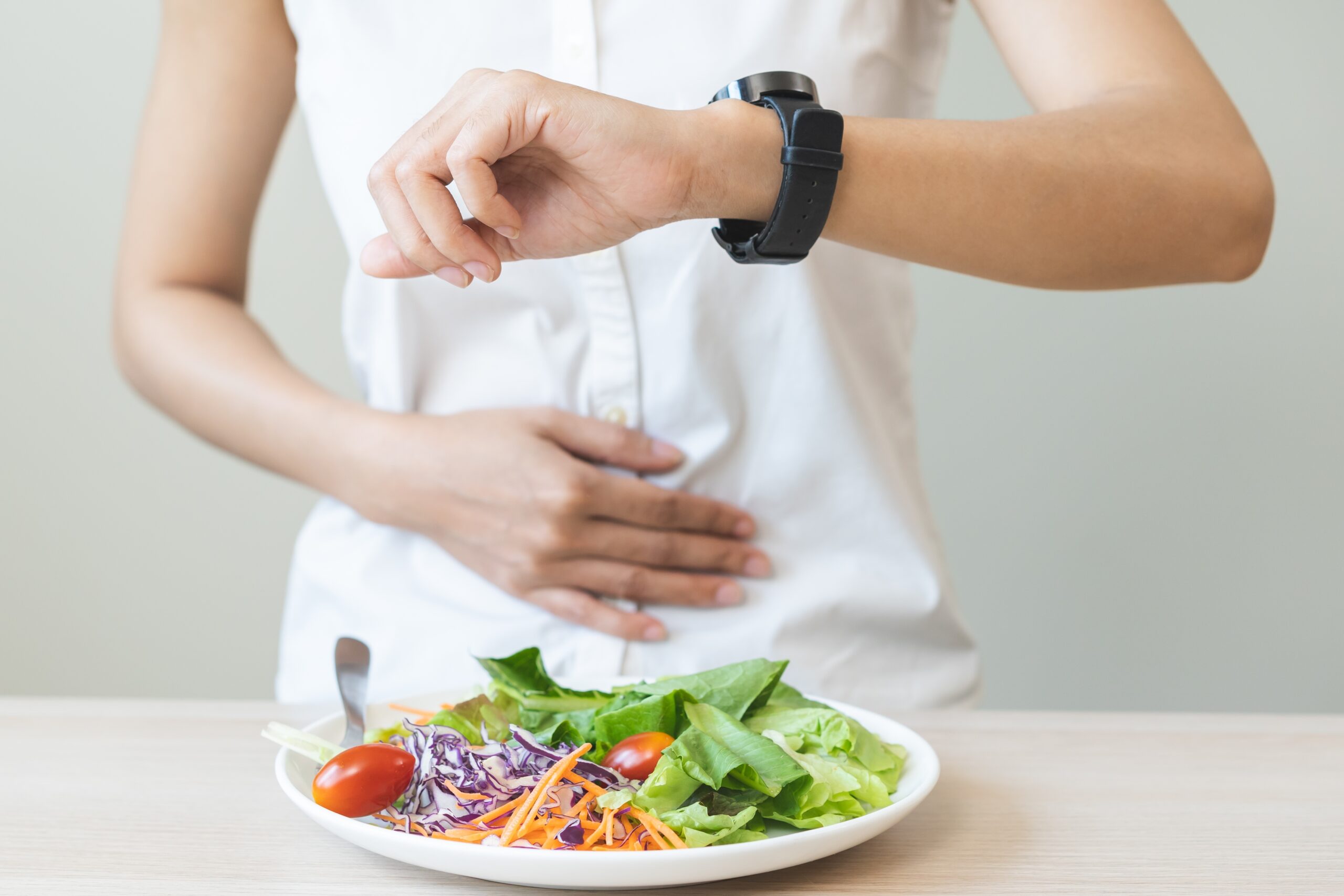
Plant-based foods packed with fiber and antioxidants like lycopene create hostile environments for cancer development. The newly released Dietary Guidelines for Americans emphasize fruits, vegetables, and whole grains over processed alternatives. Ultra-processed foods don’t directly cause cancer but promote obesity, which triggers the inflammatory cascade that feeds tumor growth.
Limiting red and processed meat consumption ranks among the most important dietary changes. The evidence linking processed meats to colorectal cancer is so strong that health organizations worldwide recommend strict limits. Meanwhile, moderate alcohol consumption – even one drink daily – increases risk for multiple cancer types, challenging popular assumptions about wine’s health benefits.
Watch:
Chat safely, anytime, with My Healthy Doc.
The Environmental Factors You Control
Sun protection prevents the most common cancer type – skin cancer – yet remains widely ignored. Daily sunscreen application, protective clothing, and avoiding peak UV hours between 10 AM and 4 PM can eliminate most skin cancer cases. The investment in prevention costs pennies compared to melanoma treatment expenses.
Tobacco avoidance remains the single most powerful cancer prevention strategy. The dramatic decline in lung cancer deaths over recent decades proves that population-wide habit changes work. Experts hope to replicate this success with obesity-related cancers through similar comprehensive approaches combining education, policy changes, and medical support.
Why Most People Fail at Cancer Prevention
The prevention message suffers from a consistency problem rather than a knowledge gap. People attempt dramatic overhauls that collapse within weeks instead of integrating small, sustainable changes. Cancer prevention experts emphasize that consistency trumps perfection – eating vegetables most days matters more than achieving dietary perfection occasionally.
Sleep and stress management don’t directly prevent cancer but enable adherence to protective habits. Well-rested people make better food choices and maintain exercise routines more consistently. The Fred Hutchinson Cancer Center’s 2026 wellness recommendations focus heavily on building sustainable systems rather than relying on willpower alone.
Meet My Healthy Doc – instant answers, anytime, anywhere.
Sources:
World Cancer Research Fund – Cancer Prevention Recommendations
Ezra – Cancer Prevention Lifestyle Habits
AACR – Expert Forecasts for Cancer Research 2026
American Cancer Society – Cancer Prevention Facts & Figures 2025-2026