

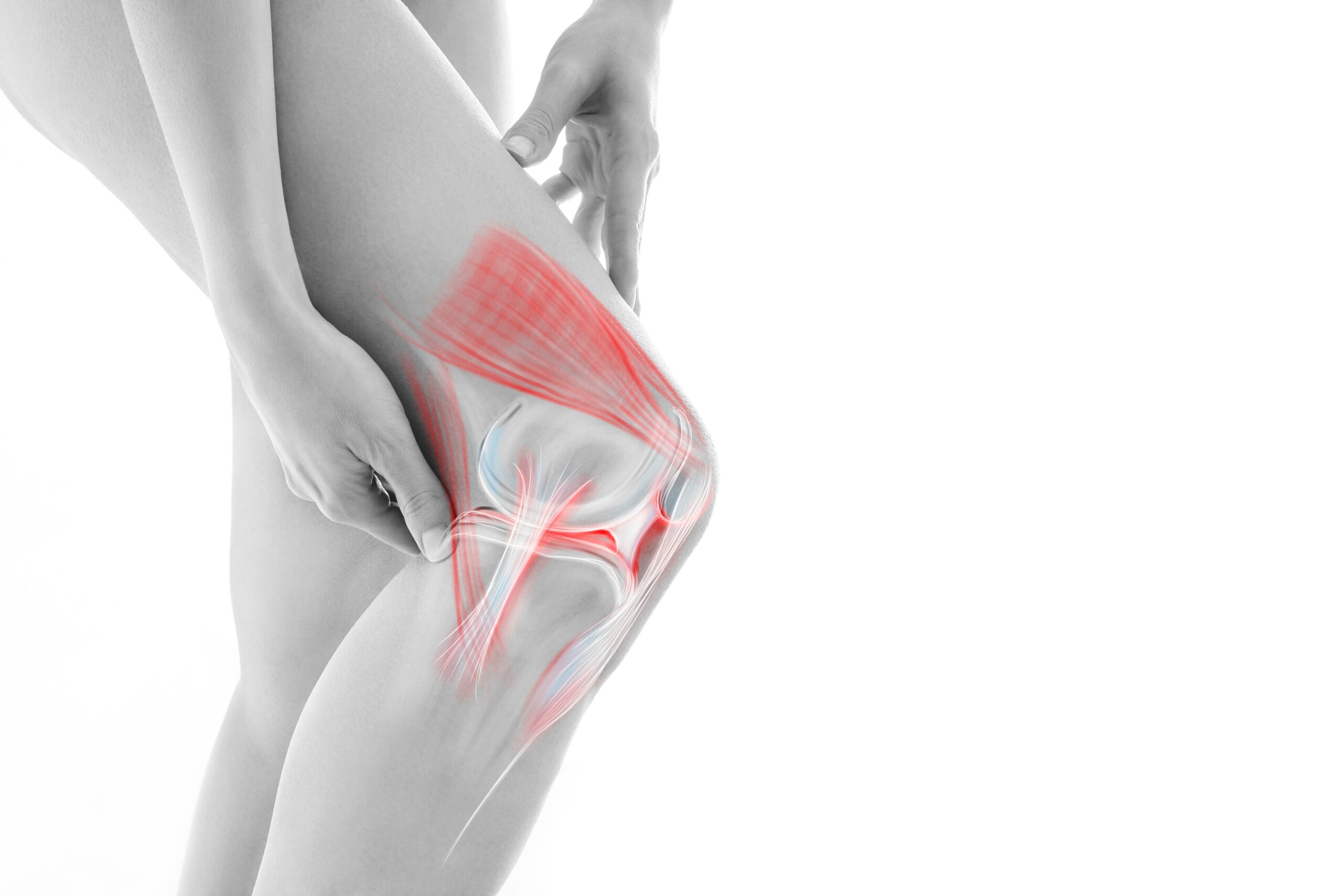
The devastating ACL tear that sidelines your favorite athlete for months doesn’t happen overnight—it builds silently through warning signs.
Story Highlights
- ACL tears often present early warning signs like knee instability and poor landing mechanics before complete rupture occurs
- Multicomponent training programs combining strength, balance, and technique can dramatically reduce injury risk
- Single-leg heel raises serve as a crucial preventive exercise for strengthening calves and stabilizing knee joints
- Consistent prevention routines performed three times weekly significantly lower chances of ACL injury
The Silent Signals Your Knee Sends Before Disaster Strikes
Your anterior cruciate ligament doesn’t just snap without warning. Before that career-ending pop echoes across the field, your knee desperately broadcasts distress signals through subtle instability and compromised landing mechanics. Athletes who learn to recognize these red flags—a slight wobble during direction changes, an uncomfortable feeling when planting the foot, or a knee that buckles slightly under pressure—hold the power to prevent months of rehabilitation and potential career damage.
The tragedy lies not in the complexity of prevention, but in how many athletes ignore these early warnings until it’s too late. Your body’s biomechanical chain operates like a finely tuned machine, and when one component begins to fail, compensatory patterns emerge that place exponentially greater stress on the ACL during high-impact activities.
Watch:
The Three-Pronged Defense Against ACL Destruction
Prevention requires a strategic assault on three distinct fronts: targeted strength development, biomechanical refinement, and consistent routine implementation. The first pillar focuses on building fortress-like strength in your quadriceps, hamstrings, hips, and core—the muscular guardians that protect your ACL from excessive strain. These muscle groups work in concert to control knee positioning and absorb forces that would otherwise devastate your ligament.
The second component addresses the technical aspects of movement that separate injury-prone athletes from bulletproof performers. Plyometric exercises and agility drills teach your nervous system to coordinate proper landing patterns, ensuring your knee tracks correctly during explosive movements. This neuromuscular education proves invaluable when split-second decisions determine whether you walk off the field or get carried off.
Watch:
Got a health question? Ask our AI doctor instantly, it’s free.
The Simple Exercise That Saves Careers
Among all preventive exercises, single-leg heel raises emerge as an unsung hero in ACL protection. This deceptively simple movement strengthens your calf muscles while simultaneously challenging your proprioceptive system—your body’s internal GPS that maintains balance and spatial awareness. When performed correctly, these raises teach your ankle, knee, and hip to work harmoniously, creating a stable foundation that prevents the dangerous knee collapse patterns responsible for most non-contact ACL injuries.
The exercise’s brilliance lies in its ability to expose weaknesses before they become catastrophic failures. Athletes who struggle with single-leg heel raises often demonstrate the very instabilities that precede ACL tears, making this movement both diagnostic tool and preventive medicine rolled into one efficient package.
Your new health companion is online, ready when you are.
Building Your Bulletproof Protocol
Success demands more than sporadic effort—it requires systematic commitment to injury prevention protocols. The magic number appears to be three sessions weekly, a frequency that allows your neuromuscular system to adapt and retain the protective patterns you’ve developed. Each session should begin with dynamic warm-up movements that prepare your tissues for the demands ahead, followed by your strength and stability work.
Equipment matters more than many realize. Proper footwear provides the foundation for safe movement, while attention to jumping and landing technique during every repetition builds the unconscious competence that protects you when fatigue compromises conscious control. The athletes who remain healthy longest understand that prevention isn’t a destination—it’s a daily commitment to excellence in preparation.
Chat safely, anytime, with My Healthy Doc.
Sources:
https://londoncartilage.com/unnoticed-damage-revealing-the-subtle-signs-of-an-acl-tear-you-didnt-realize/
https://eastathenspt.com/signs-your-knee-pain-might-be-an-acl-injury/