
A low-fat vegan diet slashed insulin needs by 28% in type 1 diabetes patients, sparking questions about ditching Big Pharma’s grip through everyday food choices.
Story Snapshot
- Participants cut daily insulin by 12.1 units (28%) and costs by $1.08 per day (27%) on a no-restriction vegan diet.
- Bonus gains: 11 pounds lost, 127% better insulin sensitivity, lower A1C, cholesterol, and improved kidney function.
- A 12-week trial by PCRM showed the control group unchanged; highlights fat reduction’s power over calorie counting.
- Published February 13, 2026, in BMC Nutrition; calls for larger studies amid soaring U.S. insulin prices.
Trial Design and Key Results
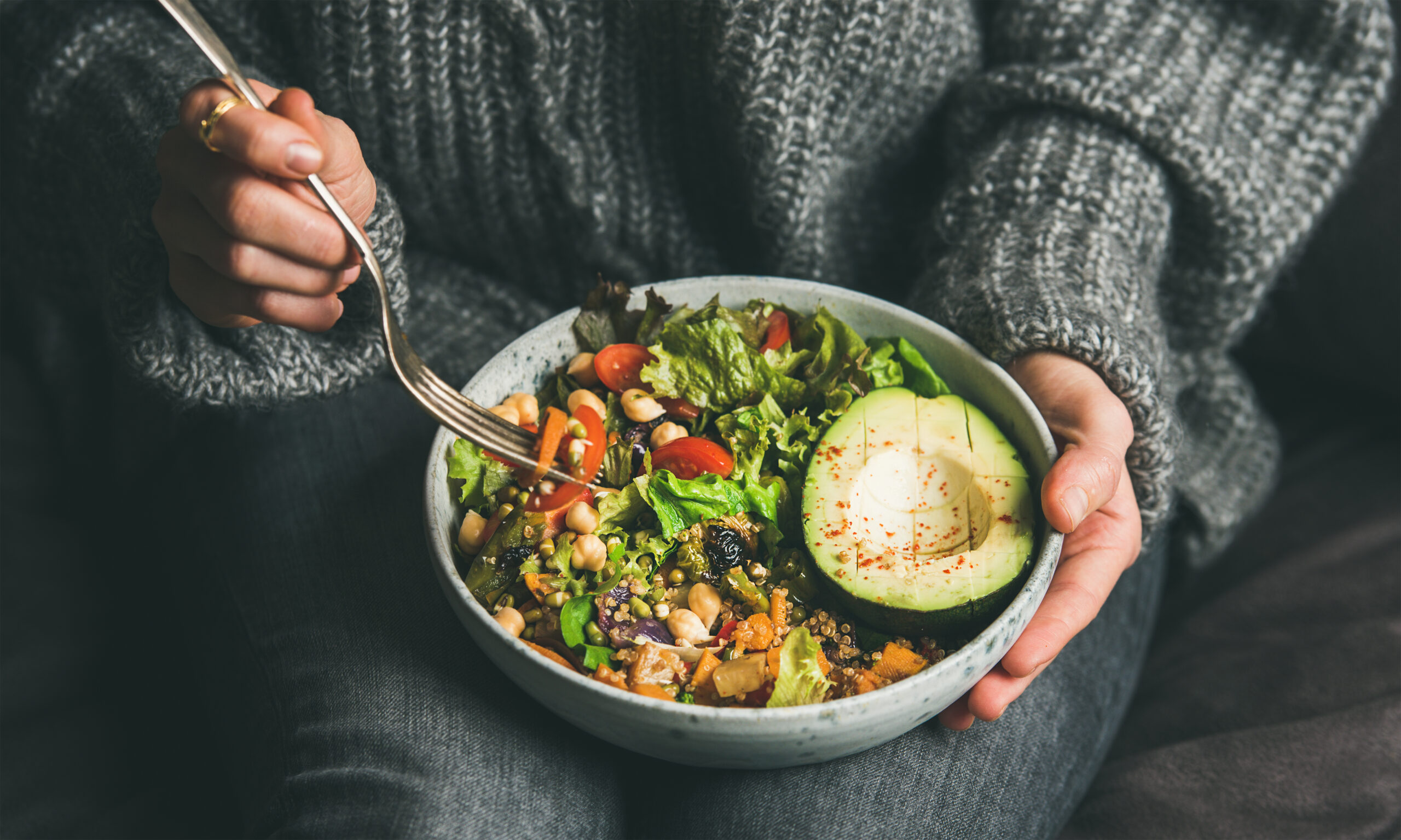
Physicians Committee for Responsible Medicine ran a 12-week randomized trial in 2024, registered June 29, 2021, on ClinicalTrials.gov (NCT04944316). Adults with type 1 diabetes followed either a low-fat vegan diet or a portion-controlled diet. The vegan group ate unlimited fruits, vegetables, grains, and legumes, avoiding animal products and high-fat plants. Researchers measured insulin use, costs, weight, sensitivity, A1C, lipids, and kidney markers.
Vegans reduced total daily insulin by 28%, or 12.1 units, versus no change in controls. Insulin costs dropped 27%, or $1.08 daily, projecting $394 yearly savings per patient. Participants lost 11 pounds on average. Insulin sensitivity surged 127%. A1C fell for better glycemic control. Cholesterol and kidney function improved markedly.
Watch;
Why Dietary Fat Drives Insulin Resistance
Type 1 diabetes destroys insulin-producing cells, forcing lifelong injections. Yet many patients face resistance worsened by dietary fat blocking glucose entry into cells. The vegan diet cut fat intake sharply, lowering liver and muscle fat accumulation. This mechanism echoes type 2 diabetes studies where plants boosted sensitivity. No calorie or carb limits made compliance simple, proving restriction-free change.
Hana Kahleova, MD, PhD, PCRM’s clinical research director and lead author, explained fat impairs insulin action directly. Her team drew from prior plant-based successes in type 2 but targeted rare type 1 data. Common sense aligns: American conservatives value self-reliance, and this empowers patients over pricey drugs amid insulin price gouging.
Stakeholders and Motivations
PCRM spearheaded the study to promote evidence-based nutrition, funding and executing the trial. Kahleova advocates low-fat vegan eating for metabolic wins. BMC Nutrition peer-reviewed the secondary analysis on February 13, 2026. PCRM issued press releases; ScienceDaily amplified findings. Their push counters high costs burdening families.
This vegan diet cut insulin use by nearly 30% in type 1 diabetes https://t.co/LgY39KZSgc
— Joel "Heart Prevention" Kahn MD, FACC (@drjkahn) February 13, 2026
Kahleova stated insulin prices keep rising, so type 1 patients should try low-fat vegan diets to save hundreds yearly. PCRM spotlights 27% cost cuts. Media like The Independent and PharmaTutor covered it without dissent. Authors urge larger trials for confirmation, given small samples.
Short-Term Wins and Long-Term Promise
Short-term, patients gain less insulin dependence, cheaper bills, weight loss, and cardiometabolic boosts. Long-term, each insulin unit per kg drop cuts cardiovascular risk 9%; A1C and LDL shifts slash it 8.8-20%. Type 1 communities eye relief; plant advocates gain ammo. Economics favor: vegan foods are often cheaper.
Socially, accessible strategies reduce reliance on systems. Politically, evidence pressures pricing reforms conservatives support via market discipline. Pharma sees demand dip potential; guidelines may add vegan options. Novel for type 1, this builds on type 2 precedents, demanding scaled validation.
Sources:
This vegan diet cut insulin use by nearly 30% in type 1 diabetes
Effect of a Dietary Intervention on Insulin
Can a vegan diet help people with type 1 diabetes save
Vegan diet helps people with type 1 diabetes cut insulin costs 27
Diabetes: Vegan low-fat diet insulin
Vegan diet may cut insulin needs in type 1 diabetes