
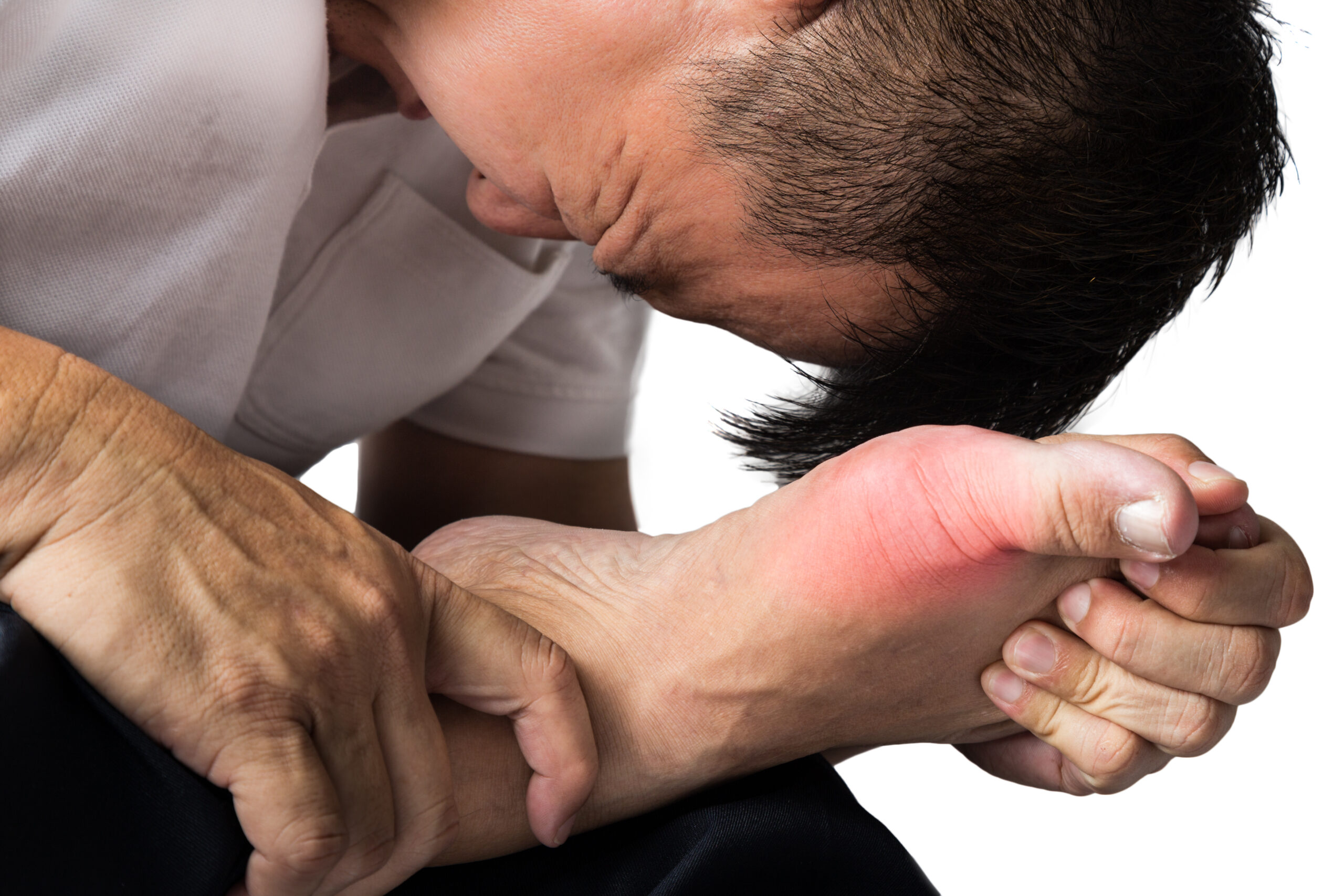
A medieval disease once reserved for gluttonous kings is surging among everyday Americans, and millions are turning to TikTok for answers that could make their condition dramatically worse.
Story Snapshot
- Gout cases are rising across America, affecting younger populations at alarming rates
- TikTok videos on gout have amassed over 426 million views, with most providing medically inaccurate advice
- Doctors warn viral remedies like cherry juice and baking soda lack scientific backing and delay proper treatment
- Medical professionals emphasize prescription medications, not dietary folklore, remain the gold standard for gout management
- The platform’s algorithm amplifies sensational health claims over evidence-based medical guidance
The Medieval Malady Making a Modern Comeback
Gout, that excruciating joint inflammation historically linked to Henry VIII’s indulgent lifestyle, is experiencing an unexpected renaissance. The condition, caused by uric acid crystal buildup in joints, now affects approximately 9.2 million Americans. What’s particularly concerning is the demographic shift. This isn’t just afflicting elderly patients anymore. Younger adults are increasingly showing up in rheumatology clinics with the telltale big toe swelling and debilitating pain that characterizes gout attacks. The reasons are multifaceted: rising obesity rates, increased consumption of high-fructose corn syrup, and lifestyle factors that previous generations didn’t face at similar ages.
Watch:
When Social Media Becomes the Doctor’s Office
Desperate patients experiencing their first gout flare naturally turn to their phones for immediate answers. TikTok’s algorithm, sensing engagement opportunity, delivers exactly what they’re searching for—except much of it contradicts established medical science. A comprehensive content analysis published in academic journals examined gout-related TikTok videos and found widespread misinformation. The most popular videos promoted unproven remedies: cherry juice concentrate, apple cider vinegar concoctions, baking soda solutions, and elimination diets that promise miraculous relief. These clips rack up millions of views while evidence-based content from actual rheumatologists struggles to break through the noise.
Get fast, reliable health advice from your AI doctor now.
The Cherry Juice Phenomenon and Other Viral Myths
Among the most persistent TikTok gout myths is the cherry juice cure. Influencers confidently declare that downing tart cherry juice will dissolve uric acid crystals and prevent future attacks. While some preliminary research suggests cherries may have modest anti-inflammatory properties, doctors emphasize this doesn’t replace prescription urate-lowering therapy. The same applies to the baking soda trend, where users claim alkalizing the body prevents gout. Rheumatologists shake their heads at this oversimplification of complex metabolic processes. The human body tightly regulates pH levels regardless of what you drink. What actually works? Medications like allopurinol and febuxostat that genuinely lower uric acid levels.
Meet My Healthy Doc – instant answers, anytime, anywhere.
The danger extends beyond ineffective remedies. Many viral videos discourage seeking professional medical care, framing gout as something easily managed through pantry ingredients and willpower. This attitude delays diagnosis and proper treatment, allowing joint damage to progress. Chronic untreated gout leads to tophi—visible uric acid deposits under the skin—and permanent joint deformity. These complications are preventable with appropriate medication, but TikTok’s anti-pharmaceutical bias steers patients away from proven interventions.
More People are Getting Gout. And It’s Giving Way to the Most Bizarre TikTok Health Advice. https://t.co/OZZAmAOb2S pic.twitter.com/W9oNucOST9
— Healthy Hoss 🍎 (@HealthyHoss) January 21, 2026
Why Medical Misinformation Spreads Like Wildfire
TikTok’s structure practically guarantees health misinformation will outperform accurate medical content. The algorithm prioritizes engagement metrics—likes, shares, comments—over factual accuracy. A rheumatologist explaining the mechanism of urate-lowering therapy can’t compete with someone dramatically claiming they cured gout in three days with lemon water. The platform’s young user base, increasingly dealing with gout themselves, lacks the medical literacy to distinguish between anecdotal claims and clinical evidence. They see testimonials, not the absence of peer-reviewed data supporting these interventions. Healthcare professionals face an uphill battle correcting misinformation that’s already reached hundreds of millions of viewers.
The gout misinformation crisis on TikTok illustrates a broader problem with how health information circulates in the digital age. When entertainment value trumps medical accuracy, patients suffer the consequences. Until platforms implement meaningful verification systems for health content, Americans dealing with gout would be wise to consult actual rheumatologists rather than their For You page. The algorithm doesn’t care if your joints are permanently damaged—it just wants you scrolling.
Chat safely, anytime, with My Healthy Doc.
Sources:
Gout’s Medieval Return and TikTok’s DangerAcademic Journal: Rheumatology Advances in Practice – “Gout, TikTok and misleading information: a content analysis”
Men’s Health Magazine – “Doctors Break Down the Worst Gout Advice On TikTok”
ScienceDaily – “TikTok’s gout advice is everywhere and doctors say it’s misleading”
Powers Health Newsroom – “TikTok Videos On Gout Misleading Inaccurate Experts Say”