
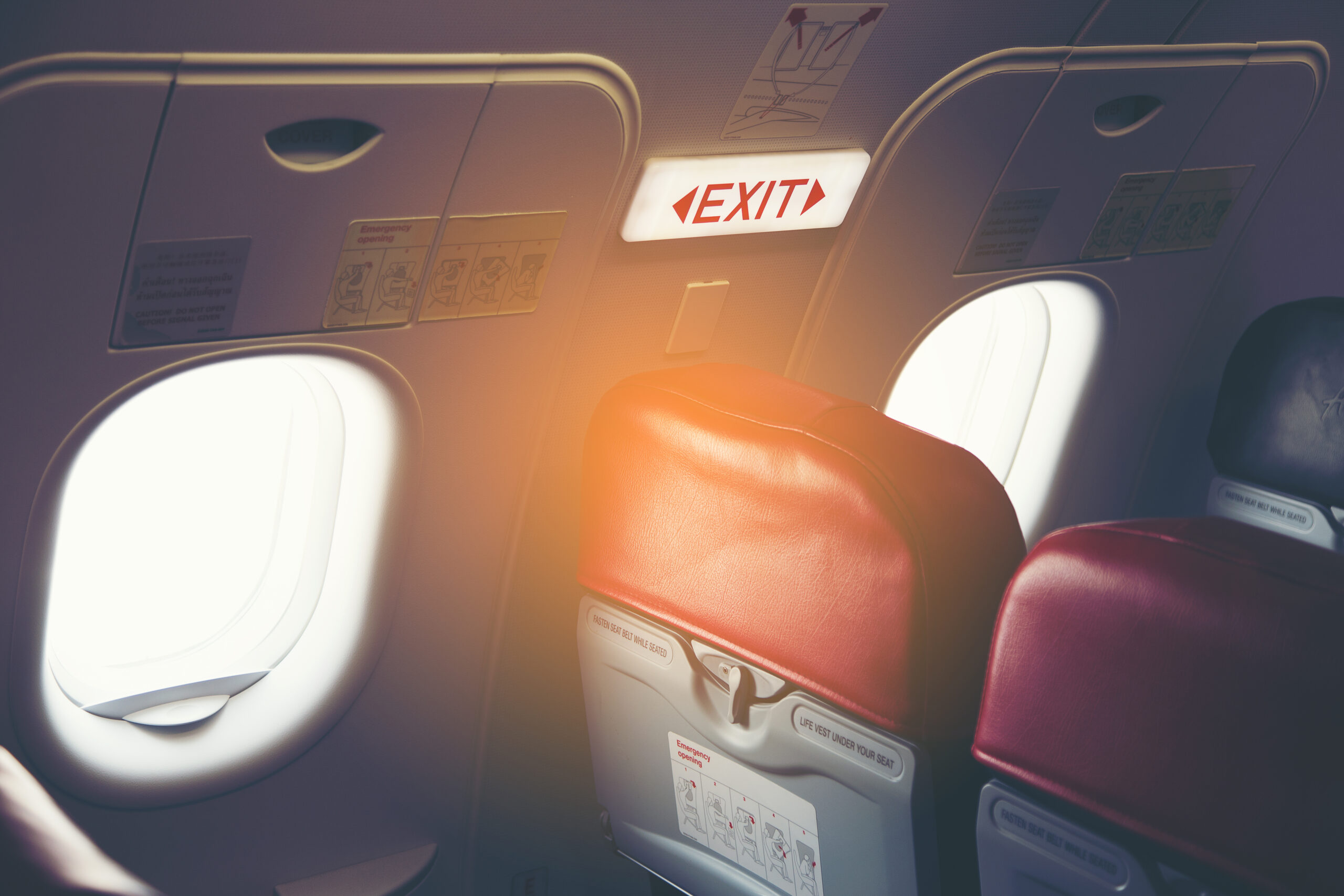
A former flight attendant has unveiled a concerning truth about airplane coffee, sparking outrage among travelers.
Quick Take
- Flight attendants avoid airplane coffee due to water quality concerns.
- Airplane water tanks are often not cleaned, raising health questions.
- EPA regulations exist but enforcement is criticized as weak.
- Recent reports highlight disparities in airline water safety scores.
Unveiling the Unseen: The Truth About Airplane Coffee
A startling revelation by a former flight attendant has brought to light an unsettling truth about the coffee served on airplanes. According to the disclosure, the water tanks used for brewing coffee and tea are never cleaned, and they are connected to the lavatory system. These revelations have fueled widespread concern among travelers who are now questioning the safety of consuming hot beverages on flights.
The narrative, gaining traction since its initial appearance in a *Food & Wine* article, is based on firsthand accounts from flight crew members. Flight attendants themselves have reportedly been avoiding airplane coffee and tea, opting instead for bottled water or other pre-sealed drinks.
Water quality onboard airplanes is governed by federal regulations through the EPA’s Aircraft Drinking Water Rule (ADWR). This regulation mandates airlines to regularly flush and disinfect their water systems. Despite this, the enforcement of these regulations has been criticized, particularly for regional carriers that often fall short of compliance.
Watch:
Regulatory Shortcomings and Airline Performance
The Center for Food as Medicine and Longevity recently released a report analyzing EPA data from major and regional airlines. The report assigns water safety scores based on factors like violations per aircraft and frequency of system disinfection. Among major carriers, Delta Air Lines and Frontier Airlines scored highest, while American Airlines lagged behind.
Regional airlines generally performed poorly, with only GoJet Airlines achieving a passing grade. The report underscores the need for more stringent enforcement of existing regulations by the EPA, which has been criticized for its rare penalties for non-compliance.
Implications for Travelers and the Industry
The revelations have immediate implications for passengers, many of whom are now hesitant to consume airplane beverages. The increased demand for bottled water during flights is a direct consequence of this growing concern. Moreover, airlines with poor compliance records may face reputational damage, prompting them to improve their water system maintenance standards.
Long-term, the industry may face regulatory reforms as pressure mounts to enhance water safety onboard aircraft. High-performing carriers like Delta and Frontier might leverage this opportunity to distinguish themselves in the market as leaders in passenger safety and satisfaction.
Flight attendant warns never drink tea or coffee on plane for disgusting reason https://t.co/ePSOaaoVT5 pic.twitter.com/Ez5MHUNA2p
— Mirror Travel (@MirrorTravel) January 22, 2026
While the bacterial safety of airplane coffee is generally assured due to high brewing temperatures, the taste quality remains a significant issue. Experts agree that water quality is crucial for flavor, and stale, mineral-heavy water results in an inferior beverage experience.
Your instant doctor companion – online 24 hours a day.
Sources:
Espresso Dave Blog
Turns Out, Data Says You Shouldn’t Drink Airplane Coffee