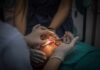
Lung cancer remains the deadliest cancer worldwide despite being one of the most preventable, yet fewer than six percent of eligible Americans get screened even though early detection can slash mortality by up to thirty percent.
Story Snapshot
- Mayo Clinic experts reveal robotic bronchoscopy technology transforms lung nodule diagnosis from invasive procedures to same-day precision treatments comparable to navigating a remote-controlled car through lung tissue
- Annual low-dose CT scans for high-risk individuals detect cancer at treatable stages, yet screening uptake remains shockingly low despite Medicare coverage and proven twenty percent mortality reduction
- Experimental ablation therapies using heat, cold, electricity, and even viruses to destroy lung nodules represent a radical shift from traditional surgery and chemotherapy approaches
- Over 230,000 Americans develop lung cancer yearly, with symptoms typically appearing only in advanced stages when survival odds plummet
The Silent Killer That Gives No Warning
Lung cancer earns its reputation as a stealthy executioner because symptoms rarely appear until the disease reaches advanced stages. Persistent cough, chest pain, shortness of breath, and coughing up blood signal trouble, but by the time these warnings emerge, the cancer has often spread beyond surgical reach. This biological ambush explains why lung cancer kills more people than breast, colon, and prostate cancers combined. The disease claims approximately 2.2 million lives globally each year, yet most victims never knew they were at risk until treatment options narrowed dramatically.
Tobacco smoke causes 85 to 90 percent of lung cancer cases, but the disease increasingly strikes nonsmokers exposed to radon gas, air pollution, and secondhand smoke. Former smokers who quit decades ago remain vulnerable, as damaged lung tissue can harbor mutations that trigger cancer years later. The demographic reality forces a sobering conclusion: anyone with lungs faces some risk, though certain groups require vigilant monitoring. Mayo Clinic research confirms that early detection fundamentally changes outcomes, transforming a death sentence into a manageable condition when caught at stage one.
The Screening Solution That Americans Ignore
The United States Preventive Services Task Force recommended annual low-dose CT screening in 2013 for adults aged 55 to 80 with significant smoking history, defined as 30 pack-years or more. A pack-year equals smoking one pack daily for one year, so a person smoking two packs daily for 15 years accumulates 30 pack-years. Medicare and most insurers cover these scans without copays, removing financial barriers that traditionally limited preventive care access. The screening takes minutes, uses minimal radiation compared to standard CT scans, and identifies suspicious nodules that warrant further investigation before symptoms develop.
Despite clear guidelines and accessible coverage, screening rates hover below six percent nationally. This catastrophic uptake failure stems from multiple factors including patient unawareness, physician oversight, and lingering stigma around smoking-related diseases. Rural communities and minority populations face additional obstacles through limited access to advanced imaging facilities and specialists trained to interpret results. The National Lung Screening Trial demonstrated that consistent screening among high-risk groups reduces lung cancer deaths by twenty percent, yet millions of eligible Americans never schedule their first scan. This disconnect between evidence and action represents a public health tragedy that costs tens of thousands of preventable deaths annually.
Robotic Precision Replacing Guesswork
Dr. Janani Reisenauer, a Mayo Clinic thoracic surgeon and interventional pulmonologist, compares robotic bronchoscopy to operating a remote-controlled car through the lungs. The FDA-approved technology allows physicians to navigate flexible robotic scopes to peripheral lung nodules that traditional bronchoscopy frequently missed. Earlier techniques yielded false negatives in seventy percent of peripheral nodule cases because rigid instruments couldn’t reach lesions tucked into lung tissue’s outer regions. Robotic systems like Ion and Monarch, cleared by the FDA between 2018 and 2020, combine electromagnetic navigation with ultra-thin scopes that bend and flex through bronchial passages with unprecedented accuracy.
The technology accomplishes more than improved diagnosis. Mayo Clinic conducts clinical trials using robotic platforms to deliver ablative therapies directly to cancerous nodules, destroying abnormal cells through cryoablation (extreme cold), radiofrequency ablation (heat), electrical currents, and experimental viral treatments. Patients who previously faced open-chest surgery or radiation now receive same-day procedures with minimal recovery time. The shift from invasive operations to targeted interventions reduces complications, shortens hospital stays, and expands treatment options for patients whose age or health conditions previously ruled out aggressive surgery. Mayo Clinic stands among a handful of centers nationwide offering these FDA-approved robotic capabilities, positioning the institution at the forefront of lung cancer innovation.
Treatment Evolution Beyond Surgery and Chemotherapy
Lung cancer treatment once meant a stark choice between surgical removal or systemic chemotherapy that ravaged healthy tissue alongside tumors. Modern oncology embraces multimodal strategies tailored to cancer stage, genetic mutations, and patient priorities. Surgery remains the gold standard for early-stage disease when tumors confine themselves to one lung section without lymph node involvement. Thoracic surgeons remove affected lobes or segments, often using minimally invasive video-assisted techniques that reduce chest trauma compared to traditional open procedures.
Advanced cases demand targeted therapies and immunotherapy drugs that revolutionized treatment in the past decade. Genetic testing identifies specific mutations like EGFR or ALK rearrangements that respond to precision medications, transforming previously terminal diagnoses into chronic manageable conditions. Immunotherapy drugs such as Keytruda, approved by the FDA in 2015, unleash the immune system against cancer cells by blocking proteins that tumors use to evade detection. Mayo Clinic specialists combine these approaches with radiation therapy, coordinating care teams that include medical oncologists, radiation oncologists, thoracic surgeons, and pulmonologists who design individualized treatment plans. The nicotine dependence center supports patients through tobacco cessation, addressing the addiction that often triggered disease while improving treatment effectiveness and reducing recurrence risk.
The Economic and Social Dimensions
Low-dose CT screening costs approximately 300 dollars per scan, a modest investment that generates substantial economic returns through early intervention. Late-stage lung cancer treatment easily exceeds 200,000 dollars annually when accounting for chemotherapy, radiation, surgery, hospitalizations, and supportive care. Early detection shifts patients toward less expensive interventions with better outcomes, saving healthcare systems millions while extending productive years of life. Robotic bronchoscopy equipment requires significant upfront capital investment, but the technology proves cost-effective by replacing multiple diagnostic procedures, reducing surgical complications, and enabling outpatient treatments that eliminate expensive hospital admissions.
Social stigma persists around lung cancer because of its strong association with smoking, leading some patients to delay seeking medical attention out of shame or fatalism. Educational campaigns emphasizing that lung cancer affects nonsmokers and that early detection saves lives regardless of smoking history gradually chip away at this barrier. Political will translated into Medicare coverage expansion in 2015, removing cost obstacles for elderly Americans who comprise the highest-risk demographic. However, gaps remain in rural areas lacking advanced imaging centers and among minority communities where screening uptake lags significantly behind national averages. Addressing these disparities requires targeted outreach, mobile screening units, and workforce development to train specialists in underserved regions.
Sources:
Innovation in Lung Cancer Screening Treatment – Mayo Clinic Cancer Blog
Lung Cancer Screening Care at Mayo Clinic
Innovation in Lung Cancer Screening Treatment – Mayo Clinic News Network
Lung Cancer Screening – Mayo Clinic
Lung Cancer Diagnosis and Treatment – Mayo Clinic
Lung Cancer Care at Mayo Clinic