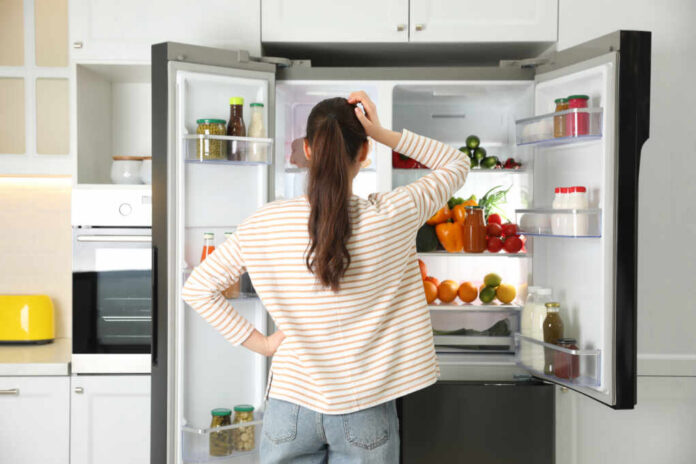
One small change in the kitchen can feel like a moral crusade, but the real prize is simpler: less waste, less guesswork, and a lighter grocery bill.
Quick Take
- American households waste enough food to make the savings feel real, not symbolic.
- Meal planning, better storage, and leftover use show the clearest payoff.
- Some popular zero-waste claims rest more on habit and anecdotes than hard proof.
- The strongest case is not perfection. It is buying less, throwing away less, and using more of what you already paid for.
The Kitchen Is Where Waste Becomes Expensive
Household food waste is not a niche problem. It lands in the most ordinary place in America: the fridge, pantry, and trash can. The Duke World Food Policy Center reports that American households waste about three pounds of edible food each week, and the average family spends over $1,500 a year on wasted food [1]. That number gives the whole debate its punch. Waste is not abstract. It is grocery money that never became a meal.
The scale matters because the main sources of waste are familiar. Fresh produce leads the list, while leftovers and date labels drive a lot of unnecessary loss [1][5]. The Environmental Protection Agency says preventing wasted food at home starts with planning meals, shopping with a list, storing food well, and using leftovers before they spoil [6]. Those are not flashy ideas. They are boring, which is usually a good sign when the goal is saving money.
Habits That Actually Pay Back
Meal planning is the cleanest habit in the set because it attacks waste before food even enters the cart. Rutgers New Jersey Agricultural Experiment Station says planning helps households buy only what they need and cuts impulse buying [2]. The National Resources Defense Council also recommends checking the freezer, pantry, and fridge before shopping, then building meals around what is already there [4]. That approach sounds small. In practice, it is the difference between a full fridge and a forgotten one.
Leftovers deserve more respect than they get. The Duke study found that households that regularly throw leftovers away waste nearly four times as much food as households that eat them [1]. That is not a cooking problem. It is a habits problem. Keeping leftovers front and center, labeling them, and planning the next meal around them turns yesterday’s extra food into today’s savings. The same logic applies to vegetable scraps and stale bread, which can become broth, breadcrumbs, or croutons [4][16].
The Case for Smarter Kitchens
If a household throws away food it already paid for, the loss lands on the family budget first. That is why national groups keep returning to the same basic advice: plan meals, buy less on impulse, store food well, and use what you have before it goes bad [2][6][19]. Those habits fit a plain rule many families already understand. Do not buy what you will not use.
The larger policy debate often turns food waste into a climate message, and that framing is not wrong. The Environmental Protection Agency says preventing wasted food brings the biggest environmental gains, especially when households cut waste from resource-intensive foods [21]. But the financial case stands on its own. The kitchen is one of the few places where a family can act immediately, without a new app, a new law, or a new lifestyle. The first win is usually the oldest one: eat what you buy, and buy what you will eat.
Sources:
[1] Web – Waste Less, Spend Less: Kitchen Habits Worth Rethinking
[2] Web – 8 Kitchen Tips to Reduce Food Waste, Save Money, and Eat Well
[3] Web – Reducing Food Waste at Home: Easy Every-Day Tips
[4] Web – Ways to Save Money on Groceries and Reduce Food Waste
[5] Web – 8 Habits for Reducing Waste in the Kitchen – Feeding America
[6] Web – Reducing food waste in the kitchen – University of Colorado Boulder
[13] Web – 7 ways to reduce food waste – Mayo Clinic Health System
[14] YouTube – Reducing Food Waste
[16] Web – [PDF] Decreasing Food Waste in Home Kitchens by Increasing Food …
[19] Web – How to Reduce Food Waste In Commercial Kitchens – Restaurantware
[21] Web – Food waste data analysis: Systemic patterns in household … – Reddit