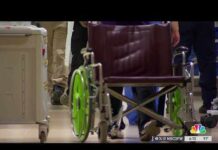
A St. George man ended up seizing and suffering a stroke after a mosquito bite turned into one of the most severe forms of West Nile virus a body can face.
Quick Take
- Kevin Gill, a St. George resident, was hospitalized with a neuroinvasive West Nile virus infection, the disease’s most serious form.
- His wife says he suffered seizures and a stroke as the virus attacked his nervous system.
- Utah County Health Department separately confirmed its first neuroinvasive West Nile case of the year on August 31.
- Utah has logged multiple neuroinvasive and non-neuroinvasive cases across several counties this season, including one death.
A Mosquito Bite Turns Into A Medical Emergency
Kevin Gill’s wife told KSL News Utah her husband developed a severe neuroinvasive form of West Nile virus after being bitten by an infected mosquito. He suffered seizures and a stroke as the infection reached his brain and nervous system. She is now warning other Utah families about how quickly a routine outdoor bite can turn into a life-threatening emergency.
Neuroinvasive West Nile disease is not the common version of the illness. Health officials describe it as the more dangerous form, marked by swelling of the brain or spinal cord, seizures, paralysis, or other severe nervous system damage. State health data defines the condition through specific clinical signs a physician must confirm, ruling out any more likely explanation for the symptoms.
Utah County Confirms Its Own First Case Of The Year
The Utah County Health Department announced on August 31 that it had confirmed its first human West Nile case in the county for 2026. Officials specified that the case was neuroinvasive, calling it the more serious form of the illness right in their announcement. The department later noted the county’s case count climbed to five probable infections, four of them neuroinvasive.
This pattern is not isolated to Utah County alone. Salt Lake County confirmed its own first case of the year, an adult who health officials expected to fully recover. Davis County reported multiple cases and one death, with several of those infections also classified as neuroinvasive. Cache County and Salt Lake County together saw additional confirmed human cases earlier in the season.
How Health Departments Track And Confirm These Cases
West Nile virus is not new to Utah or the country. The Centers for Disease Control and Prevention (CDC) says cases occur nationwide every year, tracked through a national reporting system called ArboNET that state and local health departments feed into using standard case definitions. Utah’s counties, from Davis to Cache to Salt Lake, follow that same reporting structure when they announce new infections.
Confirming a case involves real lab work, not just guesswork. The CDC’s surveillance guidelines describe testing for antibodies in blood or spinal fluid, followed by more specific tests like the plaque reduction neutralization test to confirm the diagnosis. Detecting viral genetic material directly in blood or spinal fluid is considered the strongest form of confirmation available to public health labs.
Health departments also separate cases into two categories on every report: neuroinvasive and non-neuroinvasive. Guidelines used across states, including Florida’s health department, require every confirmed infection to be coded one way or the other based on the patient’s symptoms. That is why Utah’s county announcements consistently spell out whether a case reached the nervous system, since it changes both the severity and the public warning that follows.
What Families And Communities Should Take From This
Mosquito season in Utah has produced a steady drumbeat of cases this year, from Salt Lake County to Davis County to St. George. Families like the Gills are left dealing with the aftermath of seizures and strokes triggered by something as small as a mosquito bite. Health departments continue urging residents to use repellent, dump standing water, and avoid peak mosquito hours at dawn and dusk.
None of this requires speculation about what might be wrong with the reporting. County health departments confirmed these cases through standard laboratory testing and published their findings directly. The lesson for Utah families is straightforward: neuroinvasive West Nile is real, it is circulating this season, and it can hit otherwise healthy adults hard enough to land them in a hospital bed fighting for their nervous system.
🦟🦠 #Utah County has confirmed its first human #WestNileVirus case of 2026, involving the rare but serious neuroinvasive form of the #mosquito-borne #disease.#WNV #PublicHealth #VectorBorneDisease #Microsky via @ksl.com https://t.co/ieqqfaCBff
— Microbes.info (@MicrobesInfo) September 2, 2026
Utah’s counties will likely keep issuing these updates as mosquito season continues. Each new announcement follows the same pattern seen in St. George, Utah County, and Salt Lake County: a confirmed case, a classification of severity, and a reminder that prevention remains the best defense against a virus with no vaccine or specific cure for humans.
Sources:
youtube.com, ksl.com, health.utahcounty.gov, ibis.utah.gov, stacks.cdc.gov, moh.gov.sa