Your 3 PM cookie craving might have nothing to do with willpower and everything to do with what you ate for breakfast seven hours earlier.
Story Snapshot
- Artificial intelligence nutrition tracking revealed the hidden link between breakfast composition and afternoon cravings in a personal wellness experiment
- Research shows cravings peak at 3:42 PM, driven by blood sugar crashes from protein-deficient morning meals
- AI systems now identify eating patterns through camera recognition, mood tracking, and wearable device integration that humans cannot detect alone
- Medical experts confirm that carbohydrate-heavy breakfasts trigger metabolic cascades leading to intense afternoon snacking urges
When Technology Unmasks What Willpower Cannot Fix
A wellness experiment documented on Mind Body Green demonstrates how artificial intelligence transformed one person’s understanding of persistent afternoon cravings. The individual turned to AI-powered nutrition tracking after repeated attempts to resist snacking through sheer willpower failed. What the technology revealed challenged conventional assumptions about self-control. The algorithms detected something the person could not see: a direct correlation between breakfast choices and the intensity of cravings hours later. This discovery represents a broader shift in how Americans approach eating behavior, moving from moralistic judgments about discipline to data-driven insights about physiology.
The 3:42 PM Phenomenon and Its Breakfast Origins
Survey data from 5,000 American adults pinpoints the exact moment when food cravings intensify: 3:42 PM. This precise timing reflects physiological patterns set in motion at breakfast. Many Americans consume carbohydrate-heavy morning meals like toast, cereal, pastries, or just coffee. These choices create a predictable metabolic sequence. Simple carbohydrates spike blood sugar rapidly, delivering an initial energy surge. Within one to two hours, blood sugar crashes, triggering intense cravings for sugary and processed foods. The afternoon timing represents the cumulative effect of breakfast choices compounded by lunch composition.
What AI Tracking Systems Actually Detect
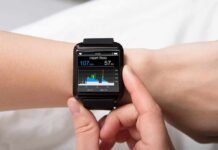
Modern AI nutrition applications combine smart food logging through camera recognition, mood and context tracking, and integration with wearable devices. These systems create comprehensive craving profiles by analyzing time-based patterns that identify when cravings occur most frequently. They establish emotional correlations, linking specific feelings like loneliness, frustration, boredom, or stress to unhealthy eating episodes. The algorithms recognize nutrient deficiency connections, such as protein’s role in satiety or magnesium deficiencies manifesting as chocolate cravings. Activity-based triggers reveal whether sedentary periods or intense workouts correlate with increased cravings. This multi-dimensional analysis processes information beyond human capacity for pattern recognition.
The Protein Solution That Experts Validate
Marissa Karp from MPM Nutrition identifies protein-deficient breakfasts as a common blunder directly causing afternoon cravings. Afternoon sugar cravings signal insufficient protein, fiber, or healthy fats consumed earlier in the day. Dr. Saurabh Sethi, a Stanford and Harvard-trained gastroenterologist, explains that even healthy-looking breakfasts like oatmeal with fruit can trigger afternoon cravings if they lack adequate protein. The blood sugar crash following carbohydrate-heavy meals drives afternoon snacking behavior. Multiple independent sources confirm that protein consumption at breakfast produces profound effects on eating behavior throughout the day. AI tracking reveals this connection through objective data analysis that individuals struggle to detect through self-observation alone.
Beyond Tracking to Predictive Intervention
AI systems now move beyond passive observation to active intervention. They provide predictive craving alerts before urges become overwhelming, suggest alternative coping mechanisms tailored to emotional states, and recommend meal compositions designed to prevent future cravings. Users gain objective data about eating patterns they might otherwise deny or overlook. The technology reduces decision fatigue by simplifying healthy choices during moments of low willpower. Understanding that breakfast protein prevents afternoon cravings enables immediate dietary adjustments. The approach replaces shame-based willpower narratives with physiological explanations rooted in blood sugar regulation and neurotransmitter production.
The Metabolic Cascade From Morning to Afternoon
The mechanism connecting breakfast to afternoon cravings operates through blood sugar regulation. Carbohydrate-heavy breakfasts without adequate protein create rapid glucose spikes followed by insulin surges. When insulin drives blood sugar down quickly, the body perceives an energy crisis. This triggers cravings for quick energy sources, specifically sugary and processed foods. Adequate breakfast protein stabilizes blood sugar by slowing glucose absorption and extending satiety signals. Protein also supports neurotransmitter production, particularly dopamine and serotonin, which influence mood and mental well-being. Consistent protein intake throughout the day leads to sustained energy, better focus, and fewer cravings. The long-term effect reduces overall consumption of processed foods.
What This Means for Personal Health Management
The integration of AI into nutrition represents a transition in healthcare philosophy. Generic dietary advice gives way to personalized, data-driven recommendations based on individual patterns. Consumers shift from passive recipients of health guidance to active participants understanding their own physiology. The technology demonstrates AI’s potential for preventive health management by identifying problems before they become entrenched habits. People struggling with emotional eating and weight management gain tools that distinguish between hunger and cravings, between physiological need and psychological desire. This distinction matters because a person can feel full yet still experience strong urges to eat preferred foods due to satisfaction-seeking rather than nutritional requirement.
The afternoon craving puzzle had a simple answer hidden in plain sight. Technology merely revealed what healthy nutrition has long suggested: breakfast matters, protein stabilizes, and patterns repeat until interrupted by understanding. The algorithm did not create new truth but made invisible connections visible through relentless data observation that human memory cannot maintain across weeks of eating decisions.
Sources:
How AI Can Help Track and Manage Your Cravings
7-Day Experiment That Helped Me Understand My Hunger Cues
Breakfast Mistake Makes People Reach for Sugary Snacks in Afternoon
Can AI Crave Your Favorite Food?
Food Cravings Hit Hardest in the Afternoon: Survey
Always Reaching for a Snack After Lunch? Stanford Doc Explains the Real Reason
How AI Models Could Predict Cravings Before You Feel Them