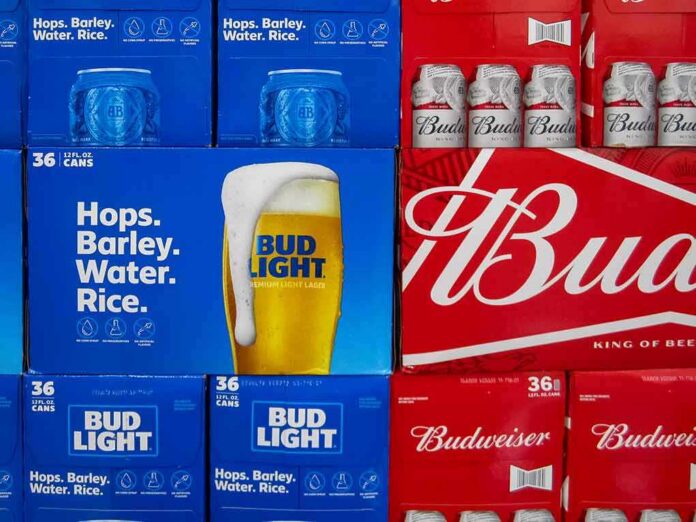
A massive new study tracking a quarter million drinkers for 14 years found that beer and liquor raise the risk of sudden kidney damage, while wine does not show the same danger.
Quick Take
- A study of 250,791 drinkers in the United Kingdom found beer and spirits linked to higher rates of acute kidney injury over 14 years of follow-up.
- Spirits drinkers faced a 40% higher risk and beer drinkers a 24% higher risk after researchers adjusted for other health factors.
- Wine showed no clear link to kidney injury in the same analysis, even at similar alcohol amounts.
- The risk climbed higher the more beer or spirits a person drank each week, based on dose comparisons in the data.
- Researchers say the findings show a strong pattern, not proof that beer or liquor directly causes kidney damage.
A 14-Year Look at Drinking and Kidney Health
Scientists pulled data from the UK Biobank, a long-running health database, and followed 250,791 adults who drink alcohol for an average of 14 years. They tracked who developed acute kidney injury, a sudden drop in kidney function that can cause lasting damage if it happens often. This size and length of study gives the results real weight. Few alcohol studies follow this many people for this long.
After adjusting for age, weight, blood pressure, diabetes, smoking, and other health factors, the researchers still found a clear pattern tied to specific drinks. Spirits drinkers showed a 40% higher risk of kidney injury compared to people who drank little to none. Beer drinkers showed a 24% higher risk. Those numbers held up even after researchers factored out liver disease, a condition closely tied to heavy drinking.
More Drinks, More Risk
The study did not stop at a simple yes-or-no answer. It broke drinkers into groups based on how much they consumed each week. People averaging about 8.7 units of spirits weekly, roughly equal to several mixed drinks, had a 25.5% higher kidney injury risk than those averaging just over one unit. Beer drinkers averaging about 23.6 units weekly faced a 14.8% higher risk than light beer drinkers. The pattern suggests risk builds with heavier, regular drinking rather than appearing all at once.
This dose pattern matters for anyone weighing a few beers after work against a couple of cocktails on weekends. The data shows risk rising step by step as weekly totals climb, not just a flat difference between drinkers and non-drinkers. That kind of gradual pattern often strengthens a scientific case, even in a study that cannot prove direct cause and effect.
Why Wine Stood Apart
Red wine showed a hazard ratio of 0.96 and white wine showed 1.06, both numbers close enough to one that researchers found no meaningful link to kidney injury. That does not mean wine is a safe bet or somehow protects the kidneys. It simply means this particular study did not catch a clear signal either way for wine drinkers, unlike the pattern seen with beer and spirits.
Wine drinkers in the study may differ from beer and spirits drinkers in ways beyond the glass itself, including income, diet, and how often they drink with meals. The researchers could not fully separate beverage chemistry from these lifestyle differences, which is a limit worth keeping in mind before drawing firm conclusions about any single drink type.
What This Means Before Your Next Round
This research cannot prove that beer or spirits directly cause kidney injury, since it tracked drinking habits and health outcomes rather than testing people in a controlled experiment. But a pattern this consistent, across a quarter million people and 14 years, is hard to wave off. Common sense says heavy, regular drinking of any kind stresses the body, and this study gives beer and liquor drinkers a specific, measurable reason to think twice about how much they pour.
Sources:
mindbodygreen.com, nature.com, independent.co.uk, ynetnews.com, fox13seattle.com