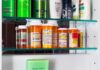
A pill sitting in your medicine cabinet right now could be quietly raising the pressure inside your eyes without you ever noticing.
Quick Take
- Steroid pills, inhalers, and eye drops can raise eye pressure within weeks and cause lasting damage with long-term use.
- Allergy, cold, and bladder medicines with anticholinergic effects can trigger sudden angle-closure attacks in people with narrow eye angles.
- The seizure drug topiramate and some antidepressants carry documented links to acute glaucoma emergencies.
- Risk depends heavily on a person’s eye shape and the dose and length of drug use, not on the drug alone.
Why Steroids Sit At The Top Of The Risk List
The American Academy of Ophthalmology says steroid drugs taken by mouth, through an inhaler, by injection, or applied near the eye can make glaucoma worse. The risk climbs with higher doses, longer use, and treatments placed closer to the eye itself.
Eye pressure can start climbing within three to six weeks of starting a steroid. If someone stays on steroids for months or years, that pressure rise can become permanent and much harder to reverse later.
That timeline matters for anyone managing a chronic condition like asthma, arthritis, or a skin disorder with steroid-based treatment. Patients should not stop prescribed steroids on their own, but regular eye pressure checks become far more important the longer a steroid course continues.
Common Cold And Allergy Pills Carry Their Own Warning
Everyday allergy and cold medicines can also play a role. Drugs with anticholinergic or adrenergic effects, the kind used to dry up a runny nose or dilate pupils, can trigger a dangerous event called pupillary block in people with narrow eye angles.
A review of glaucoma treatment adds sulfonamide antibiotics, certain antidepressants, diuretics, and the seizure medication topiramate to that same watch list. Topiramate is singled out as a sulfa-based drug specifically tied to sudden angle closure.
Even stimulant medications prescribed for attention disorders have drawn scrutiny. One review found people using amphetamine-based drugs were more than twice as likely to develop angle-closure glaucoma, though the data shows a statistical link rather than direct proof that the drug causes the disease.
Why The Same Drug Hits Different People Differently
Not every patient faces the same odds. Ophthalmology guidance notes that a medication considered safe for one form of glaucoma can be genuinely dangerous for another, depending on the shape and depth of a patient’s eye structures.
Drug-triggered angle closure can happen through more than one pathway. Doctors point to pupillary block, swelling in the ciliary body or lens, retinal fluid buildup, and fluid collecting behind the eye’s middle layer as separate mechanisms that can all raise pressure dangerously fast.
What can GLP-1 medications and at-home eye-pressure monitoring teach us about protecting vision?
Dr. Barbara Wirostko joined KPCW’s The Mountain Life to discuss emerging research on eye pressure, glaucoma risk, and the future of eye care.
Listen here: https://t.co/aa177RZ4rU
— Moran Eye Center (@MoranEyeCenter) October 14, 2026
Because the reaction is an emergency, not a slow buildup, eye specialists describe drug-induced acute angle closure as capable of causing lasting vision loss if it isn’t treated right away. Speed of treatment, not just the trigger drug, determines the outcome.
That’s why medical guidance urges clinicians to ask about every medication a glaucoma patient takes, even drugs prescribed for conditions that seem to have nothing to do with the eyes. A full medication history remains one of the simplest tools for catching risk early.
Sources:
youtube.com, eyewiki.aao.org, aao.org, glaucoma.org.au