Seven blood chemicals tied to sleepiness just put familiar foods on the hook for your mid-day crash.
Story Snapshot
- Researchers linked seven metabolites to daytime sleepiness; tyramine and sphingomyelins stood out.
- Tyramine shows up in fermented and overripe foods like aged cheese and salami.
- Sphingomyelins come from eggs, milk, and meat; the link is associative, not a ban list.
- Large, high-fat or high-sugar meals can trigger short-term “food coma” after eating.
What the new findings actually say
Researchers reported seven metabolites in the blood that track with excessive daytime sleepiness, with tyramine and sphingomyelins most tied to specific foods. Tyramine comes from fermented and overripe foods. Sphingomyelins reflect intake of animal foods like eggs, milk, and meat. This does not prove these foods “cause” fatigue for everyone. It flags a pattern worth testing. Sensational lists skip that nuance. The smart play is to note the signal and adjust meals to see if your energy improves.
Medical guidance draws a clear line between two issues. First, the short-term slump after a meal, known as a “food coma,” lasts a short time and is common. Second, ongoing daytime fatigue has many causes, from poor sleep to illness. The first is a meal pattern problem. The second may need care. Treat each one for what it is. Do not turn a snack into a diagnosis. Start with your plate and your sleep, then escalate as needed.
Tyramine and the “overripe trap”
Tyramine forms when proteins break down during aging or fermentation. Aged cheeses, salami, kimchi, and overripe or dried fruits can carry more of it. Some people feel head rush, jitters, or, by this new link, more daytime sleepiness. Your response can vary. If lunch with aged cheese leaves you dragging, run a simple n-of-1 test. Swap in fresh cheese or lean protein for two weeks. Track your afternoon alertness. Keep what works. Drop what does not. That is common sense and low risk.
Do not toss every banana. Ripeness changes chemistry, but dose and context matter. A small serving in a balanced meal will not affect you like a giant cheese board with wine. Balance and timing set the stage. A little protein and fiber can slow the glucose swing and steady your mood. The goal is control, not fear. Food should help you get through the day, not put you down for a nap.
Fat-heavy meals and the post-meal slump
Large meals that are high in fat can leave you sleepy after eating, and they can also harm nighttime sleep if the pattern is chronic. Clinical sources describe food coma as brief sleepiness after a meal and suggest smaller, balanced meals with more protein and fiber to reduce swings. People often blame carbs alone. Studies point to fat-heavy meals as a steady driver of daytime sleepiness, while certain carb patterns may aid alertness when matched with fiber and portion control.
Sphingomyelins: what the animal-fat marker means
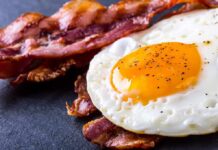
Sphingomyelins occur in animal foods, and the study tied their blood levels to more sleepiness signals. That fits other research linking higher saturated fat intake to more daytime sleepiness, with protein linked to less. This does not make eggs the villain. It calls out meal build. A breakfast of eggs, buttered toast, and bacon hits fat hard. Add berries, swap bacon for beans or turkey, and keep portions sane. The marker reflects pattern, not a single scapegoat.
Sugar spikes bring a fast lift and a hard drop. Big hits of added sugar have been linked to worse sleep and more daytime fatigue over time. The fix is not no-carb dogma. It is better carbs in better doses. Whole grains, fruit, and vegetables digest slower and steady you. Pair them with lean protein and healthy fats. Build a plate that gives you energy now and preserves it later. That is the durable play for workdays and workouts alike.
Practical playbook: eat for steady energy
Make lunches smaller and balanced to dodge the food coma window after noon meetings. Choose fresh over overripe and aged if tyramine-rich foods seem to drag you down. Favor meals lower in saturated fat; anchor with protein, fiber, and fluids to stabilize energy. Save heavy, fatty meals for earlier in the day if you must have them, and keep dinner lighter to protect sleep. Track your alertness for two weeks as you adjust. Keep changes that pay off.
Sources:
docs.google.com, timesofindia.indiatimes.com, my.clevelandclinic.org, sharp.com, healthline.com, clinicspots.com, aasm.org