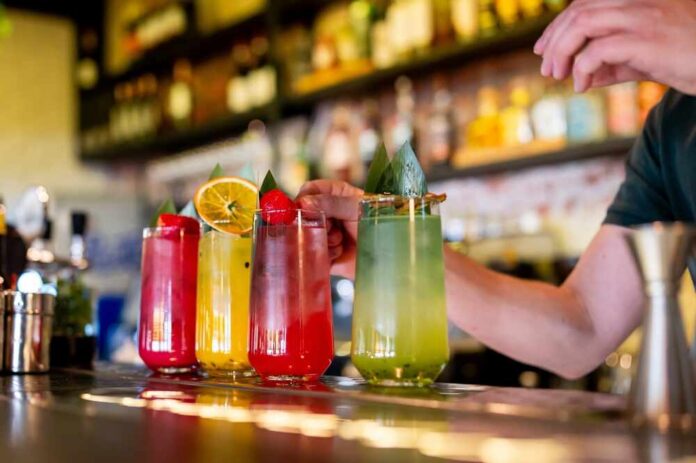
The drink that once signaled you were the designated driver now commands the same price as top-shelf cocktails—and customers are lining up to pay it.
Story Snapshot
- Restaurants with developed mocktail programs report 12% beverage revenue increases and 8% higher average check sizes
- Non-alcoholic spirits market projected to grow 9.4% annually through 2034 as Gen Z abandons traditional drinking culture
- Functional ingredients like adaptogens and nootropics transform mocktails from substitutes into proactive wellness tools
- Premium mocktails priced identically to alcoholic cocktails signal quality parity and reshape hospitality economics
From Afterthought to Profit Center
The hospitality industry spent decades treating non-alcoholic beverages as charity offerings—watered-down sodas and fruit juices for the unfortunate souls who couldn’t participate in real drinking. That patronizing approach just cost establishments a fortune. Restaurants with thoughtfully developed mocktail menus now watch these drinks claim 18% of total beverage sales within three months of introduction. One mid-sized urban restaurant documented an 8% increase in average check size after launching premium non-alcoholic options priced comparably to craft cocktails. The message rings clear: treating customers like second-class citizens because they skip alcohol is terrible business.
The Generation That Said No Thanks
Gen Z demonstrated something previous generations never managed—the ability to resist decades of marketing linking alcohol to adulthood, celebration, and social belonging. Their significantly lower consumption rates stem from mental wellness awareness, health consciousness, and social media’s unforgiving documentation of poor decisions. This shift forced beverage manufacturers and hospitality operators to confront an uncomfortable reality: their business models assumed customers would always choose alcohol when socializing. The pandemic accelerated this reckoning, as preventive health measures and home wellness rituals normalized the concept of beverages serving intentional purposes beyond intoxication or simple refreshment.
Functionality Replaces the Buzz
The current mocktail revolution distinguishes itself through functional ingredient integration that previous non-alcoholic offerings never attempted. Adaptogens for stress management, nootropics for mental clarity, probiotics for gut health, and electrolytes for hydration create beverages positioned as daily lifestyle tools rather than occasional treats. Consumers now expect morning drinks that enhance focus, afternoon options that replenish energy, and evening choices that promote calm—all without alcohol’s depressant effects or next-day consequences. This ritual-based consumption pattern mirrors broader wellness industry maturation, where products serve specific health purposes rather than vague benefits.
The Sensory Science Behind the Sales
Flavor technology advances separate contemporary functional mocktails from their predecessors. Companies invest in aroma burst technology, transparent flavor solutions that avoid artificial appearances, and texture differentiation where creamy signals calm while sparkling suggests energy. Savory and umami notes emerge to mask botanical bitterness without excessive sweetness. Multi-layered presentations with contrasting colors and floating elements serve dual purposes: delivering complex flavor profiles worthy of premium pricing and creating Instagram-worthy visuals that drive social media engagement. The experience economy demands that beverages justify their cost through sensory impact, not just ingredient lists.
Economic Realities Demand Adaptation
The North American non-alcoholic spirits market’s projected 9.4% compound annual growth rate through 2034 represents more than trend forecasting—it signals capital reallocation and institutional confidence in sustained consumer behavior shifts. Traditional alcohol producers face market share erosion requiring product portfolio diversification. Ingredient suppliers experience increased demand for botanicals and adaptogens, potentially creating agricultural supply chain pressures. Hospitality workers gain specialized bartending skills commanding higher wages, while establishments without developed mocktail programs risk obsolescence. The transition from optional to essential occurred swiftly: premium non-alcoholic options now communicate organizational values around inclusivity and health consciousness that younger consumers demand.
When Values Meet Profit Margins
The mainstreaming of mindful drinking aligns with conservative principles often overlooked in wellness industry coverage. Personal responsibility and informed choice replace social pressure and mindless consumption. Establishments offering quality non-alcoholic options respect individual decisions without judgment or penalty pricing. Customers demonstrate self-control and intentionality rather than succumbing to decades of marketing manipulation. The emphasis on proactive wellness over reactive self-care reflects traditional values of preparation and discipline. That these principles also generate measurable revenue increases—12% for well-executed programs—demonstrates that respecting customer autonomy makes sound business sense. The market rewards establishments treating all customers as valuable regardless of alcohol consumption, proving inclusivity without sacrificing profitability.
The Social Norm Recalibration
Declining alcohol consumption among younger demographics challenges assumptions embedded in American social structures for generations. Weddings, business dinners, celebrations, and casual gatherings built rituals around alcohol as social lubricant and bonding mechanism. The current shift questions whether those rituals served participants or industry profit margins. Premium mocktails offer sophisticated alternatives that maintain ceremony and complexity without requiring intoxication for participation. This recalibration may reduce social pressure on designated drivers, pregnant women, recovering alcoholics, and those avoiding alcohol for religious or personal reasons—populations historically marginalized in hospitality settings. The transition from alcohol as default to optional represents cultural maturation worth supporting.
Sources:
Why You Need a Mocktail Menu for 2026: Consumer Behavior Shift – Vanguard F&B Thynk Tank
2026 Flavor Trends – Sensapure
Non-Alcoholic Beverage Trends 2026 – Synergy Flavors
The Top 5 Drinks Trends of 2026 – Love Struck
Alcoholic Beverage Trends 2026 – Penn State Extension