Imagine transforming your health with six effortless food swaps that quietly rebuild your gut microbiome while slashing disease risk—all without tracking calories or stressing over diets.
Story Highlights
- Americans consume just 15g fiber daily versus recommended 25-38g, fueling obesity and digestive woes.
- Simple additions like beans and seeds deliver 5-13g per serving for immediate satiety and gut benefits.
- Health organizations like AHA and Harvard endorse whole foods over supplements for sustainable gains.
- Gradual increases prevent bloating, aligning with nutrition free from fads.
- Long-term perks include lower heart disease and diabetes risks through microbiome support.
Fiber’s Historical Roots in American Health
Researchers in the 1970s identified low-fiber Western diets as culprits behind digestive disorders, heart disease, and diabetes. Denis Burkitt hypothesized fiber prevents colon cancer, sparking awareness. USDA guidelines from the 1990s set targets at 25g daily for women and 38g for men. Yet processed foods keep average intake around 15g. This gap persists amid 42% adult obesity rates, underscoring the need for practical fixes rooted in whole foods.
Six Super Simple Ways to Boost Intake
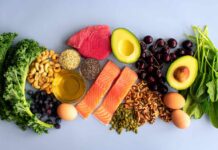
American Heart Association recommends swapping refined grains for whole options like bulgur or barley, adding 5-6g per cup cooked. Stir beans into wraps or salads for 5-8g per half-cup; black beans pack 7.5g. Air-popped popcorn delivers 4g per ounce as a snack. Top yogurt with chia seeds at 10g per ounce or flax at 3g per tablespoon. Pair fruits like berries, offering 8g per cup, with nuts for extra crunch and fiber.
Healthline advises spreading fiber across meals to hit 25-30g without discomfort. Start breakfast with oatmeal and berries. Lunch features bean salads. Dinner includes barley sides. Snacks rely on popcorn or seeds. This method ensures steady gut fueling, promoting Bifidobacterium growth for better digestion and blood sugar control.
Why These Strategies Outperform Diets
Harvard nutritionist Stacey Nelson urges gradual additions with extra water to avoid bloating, a common-sense approach favoring variety over restriction. WebMD highlights beans’ range from 3-8g per serving, making them versatile for busy lives. Unlike 1980s oat bran fads or supplements, these focus on affordable whole foods. They challenge processed diets without demanding overhauls.
AARP suggests avocado toast for creaminess and seeds, while MD Anderson pushes legumes for cancer prevention. Consensus across sources prioritizes accessibility—popcorn costs pennies, beans stock pantries. This stress-free integration suits over-40 adults juggling demands, delivering satiety that curbs overeating naturally.
Health Impacts and Microbiome Boost
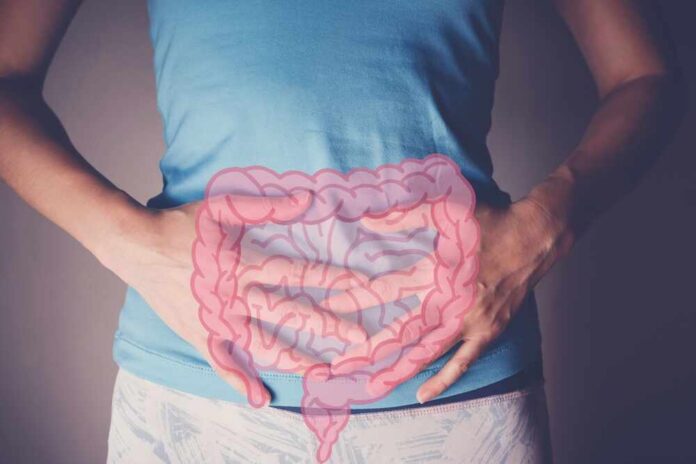
Short-term, these swaps enhance fullness and ease digestion; beans alone add bulk without calories. Long-term, AHA links higher fiber to reduced heart disease and diabetes via cholesterol and blood sugar management. Gut microbiome thrives as fibers ferment into short-chain fatty acids, nurturing beneficial bacteria. Population studies show fiber-rich eaters harbor diverse microbes, contrasting low-intake Western profiles.
Underserved communities benefit most from cheap options like beans and popcorn, supporting agriculture without subsidies. Economically, they cut healthcare costs by preventing chronic ills. Socially, they foster family meals with grains and veggies. Politically, they echo USDA guidelines, empowering individuals over industry dependence.
Sources:
8 Ways to Focus on Fiber – American Heart Association
16 Ways to Eat More Fiber – Healthline
6 Foods and Tips for More Fiber – WebMD
6 Ways to Enjoy Fiber in Your Diet – Harvard Health
8 Ways to Sneak Fiber Into Your Diet – Johns Hopkins
8 Tips for Reaching Your Daily Fiber Intake – MD Anderson Cancer Center