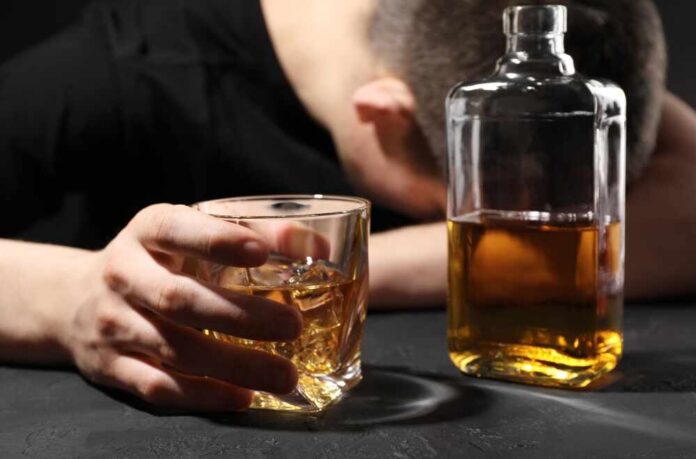
Your body whispers warnings long before it screams for help from alcohol—even if you sip only occasionally on weekends.
Story Snapshot
- Subtle signals like groggy sleep despite full rest signal alcohol’s theft of deep recovery cycles.
- Frequent colds or lingering fatigue reveal immune suppression from even moderate intake.
- Hangxiety and mood dips expose neurotransmitter chaos in occasional drinkers.
- Digestive discomfort and rising cravings mark the path to tolerance buildup.
- Short breaks restore energy and clarity without needing rock-bottom desperation.
Subtle Sleep Disruptions Signal First Alarm
Alcohol fragments REM sleep even after one drink, leaving moderate drinkers exhausted despite eight hours in bed. Arista Recovery notes users wake foggy, mentally scattered, needing naps mid-day. Coffee fails to pierce the haze because the brain skips restorative stages. This fatigue accumulates, mimicking aging but tied directly to alcohol processing that diverts recovery energy. Professionals in high-stress jobs notice it first, brushing off grogginess as workload.
3 Signs You Body Needs Time Off From Alcohol (Even If You Don’t Drink Daily) https://t.co/EGVSOl6OvH
— constance mccashin (@conmccashin) April 30, 2026
Immune Weakness Invites Frequent Illnesses
Regular weekend drinking suppresses immunity by forcing the body to prioritize alcohol detoxification over pathogen defense. Users report more colds, stubborn stomach bugs, and slow workout recovery. Inflammation rises, making everything feel harder. CDC data links one-to-two daily drinks to this vulnerability, amplified post-COVID awareness. Moderate drinkers overlook it as seasonal woes, but bodies divert resources nightly, eroding resilience over months.
Hangxiety Exposes Mood Imbalance
Hangxiety strikes as shaky unease or irritability lingering days after drinks, disrupting serotonin and dopamine. Alcohol’s depressant effect imbalances these neurotransmitters, fostering anxiety even in non-daily users. Arista describes low-energy crashes mimicking depression. This emotional fog erodes motivation, straining relationships and work. Personal responsibility demands heeding these cues before they escalate to dependency, prioritizing family stability over casual toasts.
Digestive Distress and Craving Escalation
Alcohol irritates stomach linings, disrupts gut bacteria, causing bloating, reflux, and irregular habits. Occasional intake slows digestion, amplifying discomfort over time. Cravings intensify next: a unwind glass evolves to nightly ritual, signaling tolerance. Body demands more for the same buzz, or discomfort without it. Drinkaware warns sessions stretch longer unintentionally. This progression whispers toward habit, urging resets before automatic urges dominate choices.
Benefits of Proactive Breaks Outweigh Risks
Breaks yield rapid gains: better sleep, surging energy, stabilized moods within weeks. Long-term, immunity rebounds, gut heals, tolerance drops. Dry January popularized this since 2013, proving non-alcoholics reset easily. Severe withdrawal looms for heavy users—tremors peak 24-72 hours, DTs threaten 5-10%—but moderate takers avoid medical detox. SAMHSA offers free helplines; apps like Reframe guide casual overuse differentiation. Communities benefit from reduced healthcare loads.
Sources:
5 Warning Signs Your Body Is Telling You to Stop Drinking | Arista
How Long Does it Take to Detox from Alcohol? | University BC
How Long Does it Take Detox from Alcohol? | Gateway Foundation
5 Signs Your Body Is Detoxing | Alpine Recovery Lodge
Alcohol withdrawal | MedlinePlus
How to take a break and reset your alcohol tolerance | Drinkaware
Delirium Tremens | Cleveland Clinic
Signs that you’re drinking too much | Reframe App