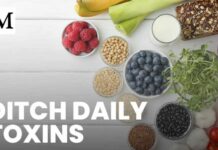
A simple shift in your weekly grocery list has been tied to brains that age 7–8 years slower and dementia risk cut by roughly one-third.
Story Snapshot
- Higher scores on the MIND diet are linked to up to 53% lower Alzheimer’s risk over about 10 years
- Large meta-analyses show about 17–20% lower dementia risk for people who stick closest to this way of eating
- A major randomized trial found no extra benefit over basic calorie-cutting, forcing a hard look at what really helps
- The strongest case today: the MIND diet is a practical, low-risk brain insurance policy, not a magic shield
Grocery Swap Slashes Dementia Odds
Dementia feels like a lightning strike, but for most people it builds slowly over decades. That long fuse is why one research team at Rush University asked a blunt question: does what you eat over many years change your odds of Alzheimer’s disease? In a landmark study of almost 1,000 older adults, they scored how closely people followed a new pattern called the MIND diet, then tracked who developed Alzheimer’s over about 10 years.
People in the top score group, who ate plenty of leafy greens, berries, nuts, whole grains, fish, beans, and used olive oil, had about a 53% lower rate of Alzheimer’s disease than those in the bottom group. Even the middle group, who followed the diet only moderately well, saw about a 35% lower rate. Those striking numbers held up even after researchers adjusted for exercise, education, weight, blood pressure, and other health habits, which made the findings hard to dismiss as “just healthy people being healthy”.
What “30% Lower Risk” Really Looks Like In Your Kitchen
So what is this eating style in real life, not in a lab? The MIND diet is basically a tight version of the Mediterranean and blood-pressure-lowering DASH diets, with special focus on brain-friendly foods. It pushes leafy greens most days, another vegetable daily, berries several times a week, nuts, beans, whole grains, fish at least once a week, poultry twice a week, and olive oil as the main fat. It then clamps down hard on butter, cheese, red meat, fried fast food, pastries, and sweets.
In follow-up work from the same Rush team, people with the highest MIND scores did not just get dementia less often; they also lost their memory and thinking skills more slowly. On average, their brains functioned like they were about 7.5 years younger than their actual age. A newer analysis pooling multiple cohort studies found that people in the highest adherence group had roughly 17% lower risk of developing dementia than those in the lowest group, and each small three-point bump in score nudged risk down further. For everyday life, that “30% lower risk” headline comes from these mid–high ranges of adherence.
The Harsh Test: What Happens In A Real Trial, Not Just Watching People Eat
American conservatives tend to ask a fair question here: does this hold up when you stop watching people and start testing them? That is where the story gets more complex. A large randomized controlled trial, the gold standard for proving cause and effect, put over 600 older adults at risk of dementia on either a coached MIND diet or a basic calorie-restricted diet for three years. At the end, both groups improved slightly, but there was no significant difference in overall thinking scores between them.
Brain scans told the same story. Changes in key areas linked with dementia, like hippocampal volume and white matter damage, were similar in both groups. That does not mean the MIND pattern is useless; in fact, the control group quietly drifted toward a healthier pattern and ended up with fairly high MIND scores themselves. When both groups are eating better and losing weight, it becomes very hard to prove extra benefit from the specific food mix. This is the classic gap many nutrition experts now admit: strong signals from long-term observation, weaker signals from short trials.
Who Seems To Benefit Most, And Where The Evidence Is Thinnest
One detail many headlines skip is that MIND diet benefits are not equal across all groups. A recent study found that higher adherence was clearly linked to lower dementia risk in women, but the same pattern did not show up in men; their risk stayed about the same across score ranges. Other work suggests the diet may have stronger protective effects in Black and Latino adults, who face higher baseline dementia risk, but access to fresh produce and fish can be a major barrier in many communities.
That raises a core common-sense concern: a diet cannot be called a major public health solution if large groups of people cannot realistically follow it. Health equity gaps, food deserts, and higher prices for berries, nuts, and good fish mean the people who might need this brain insurance most often struggle to buy the policy. Current research barely touches how to adapt the pattern for different cultures, budgets, and for men who have not shown the same clear benefit yet.
So Should You Change How You Eat For Your Brain?
Here is the bottom line that fits both the data and grounded conservative values. First, there is no serious evidence that the MIND diet “reverses” Alzheimer’s once it appears, and claims of full reversal in tiny studies rightly raise red flags and mistrust. Second, there is consistent, though not perfect, evidence that long-term adherence to this simple way of eating is linked to lower dementia risk and slower decline, in the range of about 20–50%, depending on how strictly you follow it.
Third, when scientists try to prove a direct causal effect in short trials, the signal fades, likely because diet works slowly and blends with other factors like movement, sleep, and social ties. That does not make the MIND pattern hype. It makes it what the National Institute on Aging and major reviews now call it: a low-risk, likely-helpful part of a broader plan to protect your brain as you age. In simple terms, this way of eating is not a miracle cure. It is the kind of steady habit that stacks the odds in your favor while you still have time.
Sources:
mindbodygreen.com, neurology.org, rush.edu, nih.gov, jamanetwork.com, nature.com, sciencedirect.com, 2minutemedicine.com, alzra.org, cambridge.org, thelancet.com, mdedge.com, pure.psu.edu