One quiet, underpublicized therapy is beating pills and potions at their own game when it comes to fixing perimenopausal insomnia.
Story Snapshot
- Cognitive behavioral therapy for insomnia (CBT-I) is the medically endorsed first-line treatment for chronic insomnia, including during menopause [1].
- Guidelines place CBT-I ahead of sleep medications and supplements for most women, despite the marketing noise around pills [1][6].
- Well-structured CBT-I not only improves sleep, it often eases mood and quality-of-life problems tied to hot flashes and night sweats [3][7].
- Medications and hormone therapy still matter, but work best as add-ons to solid behavioral foundations, not replacements [1][3][5].
Why Perimenopausal Sleep Breaks — And Why Pills Are Not The Main Fix
Perimenopause scrambles sleep through a messy mix of hormone swings, hot flashes, night sweats, mood shifts, and the simple fact that repeated bad nights train your brain to expect disaster at bedtime. Many women are told the obvious: “Take something.” Johns Hopkins Medicine acknowledges that hormone replacement therapy and certain antidepressants can improve sleep quality in menopausal women, but places those options inside a broader toolkit rather than as automatic first steps [5]. That nuance rarely appears in quick office visits.
Clinical reviews of insomnia in postmenopausal women describe two main treatment tracks: behavioral approaches and pharmacologic approaches, represented by cognitive behavioral therapy for insomnia on one side and menopausal hormone therapy plus non-hormonal medications on the other [1]. That framing already tells you something important. Sleep is not just a chemical problem; it is a habit and conditioning problem layered on top of fluctuating hormones. Treat only the hormones or only the anxiety, and the insomnia often outlives both.
The Evidence: CBT-I As First-Line, Not Last-Resort
Guidelines from the American Academy of Sleep Medicine and the European Sleep Research Society identify cognitive behavioral therapy for insomnia as the first-line intervention for all patients with chronic insomnia; the same guidance explicitly says menopausal women should be treated similarly [1]. That is a strong statement in the cautious language of medicine. When experts say “first-line,” they mean “start here, for almost everyone, unless there is a compelling reason not to.” That alone upends the common assumption that medication must lead.
Women’s mental health researchers report that insomnia-focused cognitive behavioral therapy outperforms several popular alternatives in midlife women. One analysis found that cognitive behavioral therapy for insomnia worked better than antidepressants like venlafaxine and escitalopram, better than yoga, aerobic exercise, daily omega-3 fatty acids, and even estradiol for improving sleep in perimenopausal women with vasomotor symptoms [3].
What CBT-I Actually Does To Your Nights
Cognitive behavioral therapy for insomnia is not generic “sleep hygiene.” It is a structured program that tightens your sleep window, rewires your associations with the bed, and dismantles catastrophic thinking about sleep. The National Institute on Aging underscores basics like keeping a regular sleep schedule, avoiding late naps, and building a calming pre-bed routine while limiting screens, caffeine, and alcohol [6]. Those behaviors sound dull until you recognize they are the scaffolding for more intensive, therapist-guided work.
Menopause-focused education platforms describe how cognitive behavioral therapy builds long-term skills. Let’s Talk Menopause notes that these programs teach sleep education, sleep restriction, stimulus control, and cognitive restructuring over four to six sessions, helping women respond differently when insomnia flares [7]. That includes counterintuitive instructions: go to bed only when sleepy, get out of bed if you are awake too long in the night, and keep the same wake-up time even after a terrible night [7]. This disciplined consistency retrains the body’s sleep drive instead of chasing sleep with desperation naps and random bedtimes.
Beyond Sleep: Hot Flashes, Mood, And Next-Morning Sanity
Sleep is not the only winner. A program of group and self-help cognitive behavioral therapy for midlife women with hot flashes and night sweats produced significantly reduced ratings for these vasomotor symptoms, plus improvements in mood, sleep, and overall quality of life after only six weeks [3].
Telephone-delivered cognitive behavioral therapy demonstrates similar leverage. Women who received it showed greater gains in sleep efficiency, as well as reduced depression and perceived stress, compared with control groups [3].
Where Medications And Hormones Fit The Picture
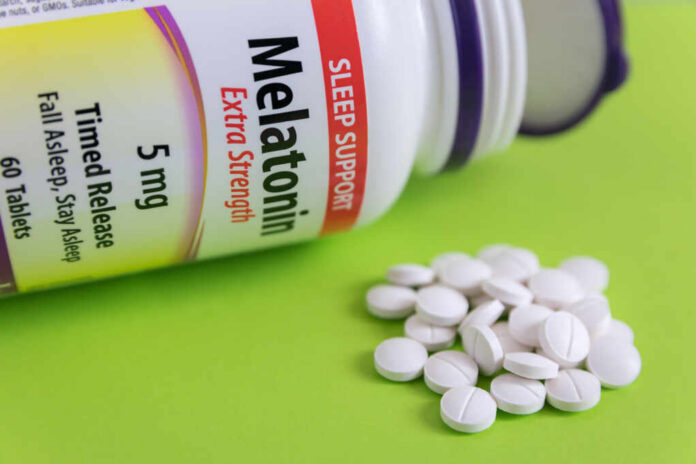
None of this means medications or hormone therapy are useless. The postmenopausal insomnia review that champions cognitive behavioral therapy as first-line also lists menopausal hormone therapy and non-hormonal drugs as core tools when symptoms are severe or driven by intense vasomotor problems [1]. Johns Hopkins Medicine likewise notes that hormone therapies and some selective serotonin reuptake inhibitor antidepressants can help sleep in menopausal women, and that over-the-counter sleep aids, including melatonin, are sometimes used [5][6]. The key question is when and how, not whether.
From an evidence-based viewpoint, the sensible sequence looks like this: start with structured behavioral therapy that carries essentially no long-term risk, adds durable skills, and is recommended as first-line by major sleep-medicine bodies [1][6][7]. Layer in hormone replacement therapy or targeted medications if hot flashes, pain, or mood disorders remain major drivers, after proper risk–benefit discussion. Resist the cultural impulse to jump straight to pills while dismissing behavioral work as “just lifestyle.” That inversion of priorities is how temporary crises become chronic conditions.
How To Translate The Science Into Action This Month
Women are often told to “improve sleep hygiene,” then sent home with no roadmap. The practical route is sharper: stabilize your wake time every single day; set a realistic sleep window instead of lying in bed for nine anxious hours; reserve the bed for sleep and sex; move out of the bedroom if you are awake more than twenty minutes; and keep caffeine and alcohol away from the late afternoon and evening [6][7]. Those steps mirror the structure of formal cognitive behavioral therapy, not random wellness tips.
Finding help that respects this hierarchy matters. That may mean asking directly for a referral to a therapist trained in cognitive behavioral therapy for insomnia, exploring reputable telehealth programs, or using validated self-help workbooks when professional care is limited. Medications and hormones remain on the table, especially when quality of life is collapsing, but they serve you best as strategic allies, not as substitutes for rebuilding your sleep system from the ground up. The research is clear enough: during perimenopause, the most powerful “sleep drug” you have is your own brain—properly retrained.
Sources:
[1] Web – Insomnia in Postmenopausal Women: How to Approach and Treat It?
[3] Web – Managing Sleep Problems in Menopausal Women: What Are the …
[5] Web – How Does Menopause Affect My Sleep? | Johns Hopkins Medicine
[6] Web – Sleep Problems and Menopause: What Can I Do?
[7] Web – Insomnia – Let’s Talk Menopause