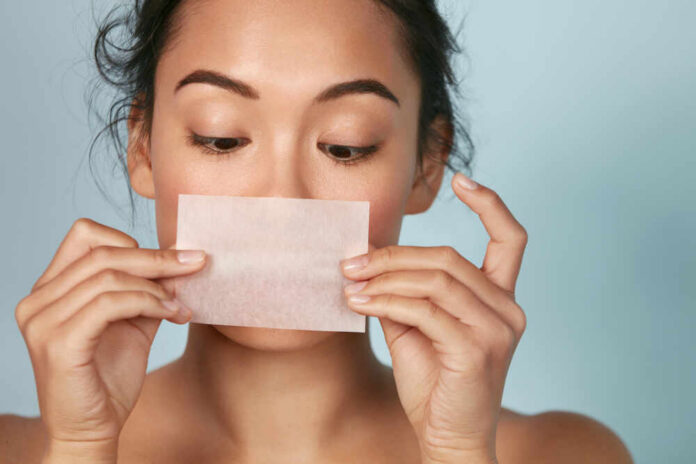
The skincare industry’s latest “fix your oily skin” message is turning the old advice on its head: stop stripping oil and start hydrating—or you may keep triggering the very shine and breakouts you’re trying to prevent.
Story Snapshot
- “Oily dehydrated” skin describes a common mismatch: excess sebum on the surface while the skin lacks water, often feeling tight or irritated.
- Multiple experts recommend gentler cleansing, barrier support, and humectants like hyaluronic acid or glycerin instead of harsh “oil-control” routines.
- Over-cleansing and strong foaming products can worsen the cycle by disrupting the skin barrier, which may drive more oil production.
- Routines trending in 2025–2026 emphasize lightweight hydration, careful exfoliation, and consistent sunscreen rather than aggressive drying.
Why “Oily Dehydrated” Skin Keeps Fooling People
Estheticians and dermatology sources increasingly separate “dehydrated” from “dry,” and that distinction matters for people who look oily but feel tight. Dehydration refers to low water content and can happen to any skin type, including oily and combination. Dry skin is typically linked to low oil or lipids. When people treat dehydration like “too much oil,” they often overuse harsh cleansers and mattifying products, feeding an irritation-and-oil cycle.
Several sources describing the trend frame it as a pattern: the skin’s barrier gets compromised, water loss increases, and the face compensates with more sebum. That creates the frustrating combo many readers recognize—shine by midday but tightness after washing. The research provided doesn’t present this as a breaking political event, but as an ongoing consumer-health education wave driven by blogs, estheticians, and product retailers updating routines for the same recurring complaints.
What Experts Say Works: Hydrate, Don’t Strip
Across the cited guidance, the practical core is consistent: reduce stripping steps and add water-binding hydration. Dermatology guidance emphasizes humectants—ingredients such as hyaluronic acid and glycerin that attract water—especially for dehydration. Esthetician routines featured in mainstream wellness publishing similarly favor gentle, milky cleansing over foaming cleansers that can leave skin feeling “squeaky” and tight. The shared goal is a calmer barrier so oil and water balance can normalize.
Retailer and brand routines highlighted in the research tend to follow a standardized structure. Morning plans typically include a gentle cleanse, hydrating serum, lightweight moisturizer if needed, and sunscreen. Night routines often add more thorough cleansing (especially for makeup or sunscreen), then actives used carefully, and a more supportive moisturizer. The research also flags a common mistake: chasing oil control while ignoring dehydration, which can keep pores looking worse and skin feeling irritated.
Actives Like BHA, Niacinamide, and Retinoids—Used Carefully
The research points to a “middle path” that will resonate with anyone tired of extreme skincare fads: use proven actives, but don’t overdo them. Some routines include BHA for pores and congestion, and multiple sources mention niacinamide for oil regulation while supporting the skin barrier. A peer-reviewed review on oily skin treatments is cited as backing longer-term options like retinoids for sebum regulation, but the broader guidance still stresses gradual use to avoid compounding dehydration.
What’s Known, What’s Marketing, and What’s Still Unclear
The sources provided show broad agreement on the “hydrate, don’t strip” framework, but they also reflect the reality of modern skincare media: not all claims are equally evidence-based. Esthetician routines can be helpful and practical, yet they’re often anecdotal and sometimes tied to product marketing. The dermatology and peer-reviewed material provides stronger grounding on the dry-versus-dehydrated distinction and sebum dynamics. Exact prevalence estimates and time-to-results remain inconsistent across the inputs.
Still, the takeaway is straightforward for consumers trying to make common-sense choices: harsh cleansers, heavy alcohols, and constant over-exfoliation can be a self-inflicted problem. The research also links the “oily dehydrated” conversation to social media and e-commerce trends rather than a new scientific discovery, meaning readers should stay skeptical of miracle claims while adopting the basics that show the most agreement across expert sources.
Limited social-media options in the provided research qualify for the secondary insert because the list does not include a relevant English X/Twitter link. As a result, only a primary YouTube insert appears above, following the template rules.
Sources:
https://worldofasaya.com/blogs/dehydrated-skin/how-to-treat-oily-dehydrated-skin-expert-guide
https://www.dermstore.com/blog/how-to/skincare-routine-for-oily-skin/
https://alamoheightsderm.com/the-dermatologists-guide-to-hydrated-healthy-skin/
https://artofskincare.com/collections/concern-dehydration
https://www.ascpskincare.com/updates/blog-posts/esty-emily-dry-vs-dehydrated-skin
https://pmc.ncbi.nlm.nih.gov/articles/PMC5605215/