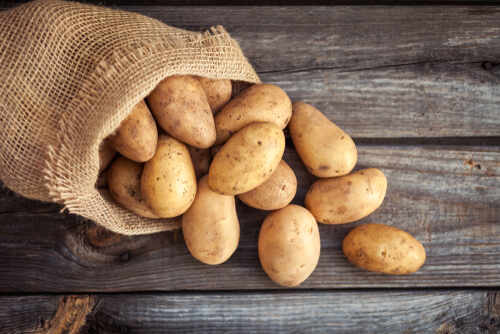
The potato doesn’t betray your blood sugar; the way most people cook and stack it on the plate does.
Quick Take
- Choose waxy potatoes (like fingerlings) more often than Russets to lower the glycemic hit.
- Chilling cooked potatoes builds resistant starch, which can cut the glucose surge meaningfully even after reheating.
- A tablespoon of vinegar can blunt the rise, especially when paired with cooling.
- Build the meal around fiber and plants, then eat the potatoes last to slow absorption.
Why Potatoes Spike Blood Sugar Fast, and Why That’s Not the Whole Story
Potatoes act like a “speedy” carbohydrate because much of their starch breaks down quickly into glucose. That’s why Russet and Idaho potatoes often land high on the glycemic index scale, while waxier varieties tend to run lower. The catch is that blood sugar response isn’t just about the potato; it’s about the whole situation: variety, temperature, acidity, order of eating, and what else shares the fork.
Adults over 40 usually feel this as an afternoon crash, a hungry rebound, or stubborn fasting numbers that don’t match “I barely ate.” The practical goal isn’t to fear the potato; it’s to slow the traffic. When glucose enters gradually, you tend to get steadier energy and less of that nagging snack radar that turns on two hours after a “normal” meal.
Start With the Variety: Waxy Potatoes Beat Russets for a Calmer Curve
Fingerlings and other waxy potatoes typically test in a lower glycemic index range than fluffy Russets, meaning the same “potato dinner” can behave very differently in your bloodstream. Texture gives you a clue: waxy potatoes hold their shape because their starch profile digests more slowly. Russets, prized for baking and mashing, break down fast. If you love mashed potatoes, this is where strategy matters most.
Portion still counts, but swapping varieties is a rare nutrition win that doesn’t feel like a sacrifice. You can still roast, boil, and pan-crisp waxy potatoes and get the comfort-food payoff. The bigger shift is mental: stop thinking “potato equals potato.” In blood sugar terms, you’re choosing between a slow-burning log and a handful of dry kindling.
Cool, Chill, Reheat: Resistant Starch Is the Quiet Trick Most People Miss
Cooked potatoes change after they cool. Refrigeration encourages some starch to “retrograde” into resistant starch, which your body digests more slowly. Research summarized in mainstream nutrition reporting suggests chilling boiled potatoes can reduce glycemic spikes by roughly a quarter to a third. The best part for real life: you can reheat the chilled potatoes and keep much of that benefit.
This is tailor-made for adults with busy schedules: batch-cook a pot of potatoes, chill them, then use them across the week. Think potato salad with a vinegar bite, diced reheated potatoes folded into a veggie scramble, or a sheet-pan reheat next to broccoli. You’re not dieting; you’re changing the chemistry. The potato becomes less like a sugar cannon and more like a controlled release.
Vinegar and Acidity: A Tablespoon That Can Change the Math
Vinegar sounds like folk wisdom until you look at the numbers cited in health coverage and nutrition education: about 15–20 ml (roughly a tablespoon) can reduce the glycemic impact substantially, with larger reductions when the potato has also been chilled. Acetic acid appears to slow gastric emptying, which means glucose hits your bloodstream later and gentler instead of all at once.
Use plain white vinegar, apple cider vinegar, or a vinaigrette—just keep the sugar added to dressings from undermining the goal. This is a conservative, common-sense move: simple ingredient, low cost, no gimmicks. It also pairs naturally with the “make it ahead” strategy. Cold potatoes plus vinegar is not punishment; it’s literally how many traditional cuisines have eaten potatoes for generations.
Build the Plate Like an Adult: Fiber, Plants, Fat, and Smart Sequencing
Pairing potatoes with fiber-rich vegetables and plant-based protein changes the speed of digestion. One striking example highlighted in nutrition education: adding two servings of cooked broccoli alongside mashed potatoes cut insulin demand by nearly 40%. Fat can also blunt the rise; cheese or a creamy element may slow absorption. The target isn’t perfection—it’s building friction into a meal that would otherwise slide straight into your bloodstream.
Meal order matters too. Eating the potatoes last, after vegetables and protein, can reduce post-meal spikes compared with leading the meal with the starch. This is a behavioral hack that requires no new groceries and no willpower speeches. Put the salad down first, chew through the vegetables, then finish with the potato. That sequence alone can make the same dinner produce a different graph.
What to Do Tonight: A No-Drama Potato Plan That Still Feels Like Dinner
Pick waxy potatoes, boil or roast them, then chill them if you can. Toss with vinegar and herbs, or reheat and serve beside a large portion of vegetables. Add a modest fat source you actually enjoy. Eat the vegetables first and the potatoes last. This isn’t about trendy “blood sugar hacks”; it’s about stacking small, evidence-based advantages so your body doesn’t have to mount a huge insulin response.
Readers with type 2 diabetes or prediabetes should still monitor personal responses, because medications, portion sizes, and overall carb load change the outcome. A mountain of fries will overpower most tricks, and sugary sauces can sabotage a good plan. The real win is consistency—making potatoes an occasional, smarter carb instead of a repeat blood sugar roller coaster.
Sources:
https://nutritionfacts.org/video/how-to-reduce-the-glycemic-impact-of-potatoes/
https://www.bswhealth.com/blog/6-simple-ways-to-prevent-blood-sugar-spikes-after-meals
https://www.webmd.com/diabetes/carbs-potatoes-blood-sugar
https://diatribe.org/diet-and-nutrition/7-ways-reduce-blood-sugar-spikes-after-meals