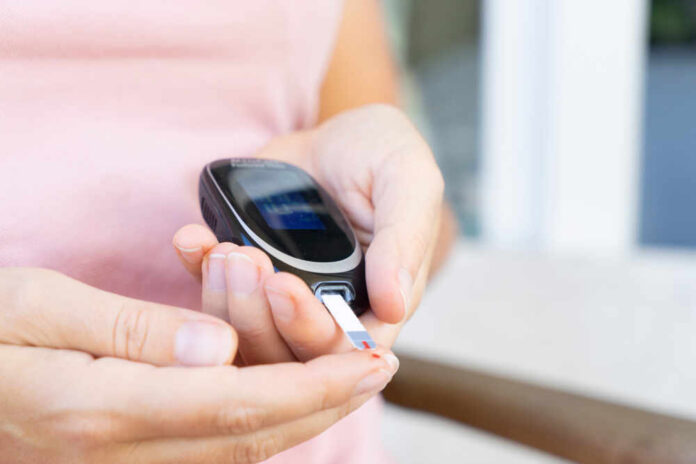
Over 115 million Americans have prediabetes right now, and 80% of them have no idea — but the science says a few simple changes can cut their risk of Type 2 diabetes in half.
Quick Take
- Prediabetes has no clear symptoms, so most people only find out through a routine blood test.
- Losing just 7% of your body weight and walking 30 minutes a day, five days a week, can cut your Type 2 diabetes risk by 58%.
- Lifestyle changes beat medication for preventing diabetes over the long term, according to major medical guidelines.
- Adults aged 35 to 70 who carry extra weight should be screened — yet fewer than half actually are.
What Prediabetes Actually Means for Your Body
Prediabetes is not a life sentence. It means your blood sugar is higher than normal but not high enough to be called diabetes yet. Doctors find it through three tests: an A1C reading of 5.7 to 6.4%, a fasting blood glucose of 100 to 125 mg/dL, or a two-hour glucose reading of 140 to 199 mg/dL after drinking a sugary solution. The key word in all of this is “yet.” You still have a real window to act — and that window is wider than most people think.
The condition almost always comes before Type 2 diabetes. That means catching it early is not just useful — it is the single best chance you have to avoid a lifelong disease. The problem is that prediabetes causes no pain, no obvious warning signs, and no symptoms most people would notice. You feel fine. Your body is not fine. That gap between how you feel and what is happening inside is exactly why so many people miss it.
The 58% Risk Reduction That Most Doctors Don’t Talk About Enough
Here is the number every person with prediabetes needs to hear. A landmark study found that people who lost 7% of their body weight and exercised moderately for 150 minutes a week cut their risk of developing Type 2 diabetes by 58% over three years. For someone who weighs 200 pounds, that is just 14 pounds. Not a dramatic transformation — a modest, sustained effort. That is a better result than most prescription drugs deliver, and it costs nothing but time and commitment.
Over longer periods, between 27% and 43% of people with prediabetes avoid a diabetes diagnosis entirely through sustained lifestyle changes. Those are not small numbers. They represent millions of people who could sidestep a disease that damages kidneys, nerves, eyes, and hearts — if they simply knew what to do and did it. The science has been clear since 2002. The gap is not in the research. It is in the doing.
What to Eat When Your Blood Sugar Is Creeping Up
No single diet has been proven to be the best for preventing diabetes, which is actually good news. It means you have real options. The American Academy of Family Physicians points to Mediterranean-style eating, low-carbohydrate diets, plant-based diets, and the Dietary Approaches to Stop Hypertension (DASH) diet as all having solid evidence behind them. The common thread across all of them is simple: less processed food, more whole food, smaller portions. Pick the one you can actually stick to — that is the right diet for you.
Exercise: The Specific Prescription That Works
The exercise target is not vague. Walk briskly for 30 minutes a day, five days a week. That is the exact dose backed by the research. It does not have to be a gym. It does not have to be running. A consistent walk after dinner counts. The goal is to move your muscles enough to make them use glucose more efficiently, which directly lowers blood sugar over time. Consistency matters more than intensity at this stage.
𝐏𝐫𝐞𝐝𝐢𝐚𝐛𝐞𝐭𝐞𝐬 𝐀𝐰𝐚𝐫𝐞𝐧𝐞𝐬𝐬 & 𝐀𝐜𝐭𝐢𝐨𝐧 𝐈𝐧𝐢𝐭𝐢𝐚𝐭𝐢𝐯𝐞
Prediabetes awareness must begin before complications appear.
Prediabetes often has no clear symptoms. This means early awareness, risk recognition, and access to screenings are important for timely… pic.twitter.com/8Ub5tTOW3X
— World Patients Alliance (@WorldPatients) July 2, 2026
Weight loss and exercise work together, but you do not need to reach your ideal weight to see results. Even losing 10 to 15 pounds makes a meaningful difference in how your body handles blood sugar. Small wins compound. A person who loses 10 pounds and walks five days a week is doing something far more powerful than someone waiting until they can overhaul their entire lifestyle all at once.
The Screening Gap That Is Costing People Their Health
The U.S. Preventive Services Task Force recommends that adults aged 35 to 70 who have overweight or obesity get screened for prediabetes and Type 2 diabetes. The recommendation is clear. The follow-through is not. Research shows that fewer than half of eligible adults are actually screened, and less than 1% of those diagnosed with prediabetes end up in a Centers for Disease Control and Prevention (CDC)-recognized lifestyle change program. That is a system failure, not a personal one — but the person who pays the price is the patient.
When Medication Enters the Picture
Metformin, a common diabetes drug, can slow the progression from prediabetes to Type 2 diabetes. But the evidence is consistent: lifestyle programs outperform metformin over the long term. Metformin has not even been approved by the U.S. Food and Drug Administration (FDA) specifically for prediabetes prevention — it is used off-label in some cases. Medication has a role, especially for people who have had gestational diabetes or who struggle to make lifestyle changes. But it should be the backup plan, not the first one. The body responds to behavior. Give it the right behavior first.
Your Next Step Is Simple
Ask your doctor for a blood sugar test if you are over 35 and carry extra weight. That one conversation could change everything. If your numbers come back in the prediabetes range, do not panic — act. The research is on your side. The tools are straightforward. Losing a modest amount of weight, moving your body most days of the week, and eating more whole foods gives you a better than even chance of never developing Type 2 diabetes at all. That is a remarkable return on a very reasonable investment.
Sources:
youtube.com, pmc.ncbi.nlm.nih.gov, diabetes.org, professional.diabetes.org, ama-assn.org