That late-night dash for fries after a few drinks is not a moral failure; it is your stress hormones and hunger signals hijacking the steering wheel.
Story Snapshot
- Alcohol can jack up stress hormones like cortisol and reshape cravings, not just “lower willpower.”[2]
- Salt cravings also show up in real medical hormone problems like adrenal insufficiency, not just in snack lovers.[5][6]
- Alcohol pushes people toward salty, greasy food and extra calories, helping drive quiet weight gain over time.[4]
- Personal responsibility still matters, but biology, hormones, and stress load the dice against you.
Why Alcohol So Often Ends With Salty, Greasy Food
People who drink often notice the same pattern: two or three drinks, then a strong pull toward pizza, fries, or chips. Public health guidance points out that alcohol can make you feel hungry and spark cravings for salty and greasy foods, on top of its own calories.[4] That combination means you are often eating more without even thinking about it. Over years, that pattern can quietly add weight, even if you “eat well” most weekdays.[4]
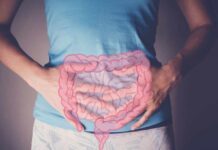
Many Americans blame this on weak willpower or bad habits, but that is only part of the story. Alcohol itself changes how the brain and hormones talk to each other. Heavy or chronic drinking can push up cortisol, the main stress hormone made by your adrenal glands.[2] Education pieces on alcohol and stress report that your body treats alcohol like a stressor, which activates the stress system instead of calming it. So you feel relaxed, while the body is actually on high-alert mode inside.
How Stress Hormones Shape Cravings And Appetite
Stress hormones change what and how much you want to eat. When cortisol rises, it can increase appetite and push the body toward high calorie foods, especially those rich in fat and carbs.[4] Wellness and obesity clinics point out that elevated cortisol triggers more intense cravings and hunger, as the body tries to get quick fuel.[4] In plain terms, your hormones are telling you, “Energy now,” and modern life answers with a drive-through and a family-sized bag of chips.
Salt craving itself can be a hormone signal, not just a taste preference. The Mayo Clinic explains that in adrenal insufficiency, also called Addison’s disease, the adrenal glands do not make enough cortisol and often too little aldosterone.[5] That hormone problem leads to salt loss and can cause constant salt craving.[5] A similar pattern shows up in a rare kidney condition called Bartter syndrome, where the kidneys waste salt and people crave more to keep up.[6] When your hormones are off, salt cravings can be a loud warning, not a joke.
Where Alcohol, Salt Cravings, And Weight Gain Intersect
Medical reviews on salt cravings list stress, fatigue, poor sleep, boredom, and hormone shifts as common triggers, along with medical issues such as adrenal disease.[3] Stress can push people toward favorite comfort foods that are high in salt, fat, or sugar.[3] Poor sleep makes people reach for more snack foods, especially salty and crunchy choices.[3] Now place alcohol on top of that picture: it raises stress hormones, disrupts sleep, and lowers self-control, which stacks several craving triggers at once.[2][3]
Guidance from health authorities explains that alcohol helps weight gain in four main ways: it stops your body from burning fat, it adds a lot of calories, it makes you feel hungry, and it leads to cravings for salty and greasy foods.[4] None of those mechanisms care about your politics or your good intentions. You can love personal responsibility and still admit that a body wired for survival will chase calories when stress hormones say “danger.”
The Limits Of Hormone Hype And The Role Of Personal Choice
Wellness media often talks about cortisol like it is the lone villain behind every craving and every extra pound. The science is more mixed. Research on alcohol and cortisol shows complex patterns where stress and alcohol cues increase alcohol craving, but salt craving and overeating are not always measured directly.[1][3] Some studies find that giving cortisol changes craving in different ways depending on how severe the alcohol problem is.[3] Hormones matter, but they do not fully control your fork.
Medical articles on salt craving stress that many causes are simple behavior: boredom, stress eating, and poor sleep, along with modern processed food everywhere.[3] The same sources warn that ongoing salt cravings can signal diseases and should be checked by a doctor if they do not fade.[3][5] That mix of explanations fits a grounded view: respect your body’s signals, rule out real disease, and then own your habits. Biology loads the gun, but behavior pulls the trigger.
Sources:
[1] Web – The Hormonal Link Between Alcohol, Salty Cravings & Weight Gain
[2] Web – Craving, cortisol and behavioral alcohol motivation responses to …
[3] Web – Chronic drinking increases cortisol during intoxication and withdrawal
[4] Web – Effects of cortisol administration on craving during in vivo exposure …
[5] Web – Elevated Cortisol Triggers Intense Cravings | MRC Branson
[6] Web – Salt craving: A symptom of Addison’s disease? – Mayo Clinic