Your phone may be acting like a crude, always-on mental health monitor—especially when it catches you moving, sleeping, and even texting while your judgment is offline.
Story Snapshot
- Sleep texting fits into the older category of parasomnias, with modern triggers like late-night notifications and phone-at-pillow habits.
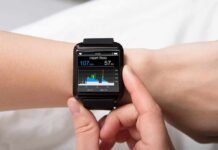
- Wearables and smartphones now capture “digital biomarkers” such as sleep duration, step counts, and screen behavior that can track with mood and cognition.
- Research in depression suggests daily life markers—especially movement—can align with cognitive functioning changes, even within the same person over time.
- Texting isn’t only a symptom; clinicians also use structured texting for sleep treatment workflows, raising both access and privacy questions.
Sleep Texting: A Modern Parasomnia with Old-School Consequences
Sleep texting sounds like a punchline until you realize what it implies: your brain can perform familiar routines while your higher judgment clocks out. Sleep specialists group it with parasomnias, the same family as sleepwalking and sleep talking. People report garbled messages, oddly honest notes, or attempts to “finish” conversations they don’t remember starting. The behavior often shows up when phones stay within arm’s reach, notifications stay on, and light sleep gets repeatedly interrupted.
Sleep texting also exposes a bigger trend: the boundary between private rest and public communication has collapsed. A bedside phone invites micro-awakenings, and micro-awakenings invite habits—swipe, type, send. Some explanations point to light non-REM sleep where decision-making and memory weaken while automatic motor patterns keep running. The practical takeaway isn’t mystical: if the device sits inches from your hand, your hand will sometimes use it without your full participation.
Steps, Sleep, Screens: The Quiet Data Trail Behind Mood and Cognition
Digital phenotyping turns ordinary behavior into signals: how long you sleep, how much you move, how often you pick up the phone, and when you stop moving at night. A 2024 study focused on depression and smartphone-based cognitive assessments put numbers to what many families already suspect—bad stretches of sleep and low activity tend to travel with worse thinking, slower processing, and foggier attention. The subtle point matters: within-person changes can be as revealing as differences between people.
Movement may be the most actionable signal because it’s harder to rationalize away. Sleep can be wrecked by a crying grandchild, a spouse’s snoring, or a barking dog. Screen time can spike because work demands it. Step count is blunt: your body either went places or it didn’t. When step counts drop for days and sleep becomes irregular, the pattern can line up with mood deterioration or depressive inertia. Correlation isn’t destiny, but patterns do tell the truth about routines.
Text Messages as Both Symptom and Treatment Tool
Texting sits on both sides of this story. On one side, the midnight “what are you doing?” message you don’t remember can signal disrupted sleep architecture, medication effects, or untreated sleep disorders. On the other side, clinicians increasingly use structured, secure texting to support sleep treatment—think reminders, sleep diaries, and check-ins that reinforce cognitive behavioral therapy for insomnia. When done correctly, texting reduces friction: patients respond in seconds instead of losing paperwork or skipping logs.
This is where adults over 40 should keep their skepticism sharp. Convenience can quietly become dependency, and dependency can become surveillance. Programs that keep patients engaged can also normalize the idea that every behavior should be tracked, scored, and flagged. Text-based care makes the most sense when it is limited, purposeful, and owned by the patient’s goals—not by an app’s engagement metrics.
What Sleep Texting and Low Steps Can Actually Mean (and What They Can’t)
Sleep texting alone rarely proves a mental health condition. Many cases amount to a sleep hygiene problem: phones in bed, alerts buzzing, irregular schedules, and overstimulating content at the wrong hour. Sleep experts also warn that parasomnias can overlap with issues like sleep apnea or medication side effects, and those medical causes deserve attention because they carry broader health risks. A reasonable rule: if odd nighttime behaviors repeat, intensify, or create real-life harm, treat it as health data.
The same caution applies to steps and sleep scores. Low steps can accompany depression, but also injury, weather, caregiving, or a desk-bound week. Short sleep can reflect anxiety, but also travel or chronic pain. The value of digital biomarkers comes from trends and combinations: a sustained drop in movement, a jagged sleep schedule, and rising nighttime phone use can form a pattern that deserves curiosity. Good monitoring asks, “What changed?” not “What’s wrong with you?”
Privacy and Power: The Biggest Fight Happens Offscreen
Wearables and health apps promise empowerment, but power flows to whoever controls the data pipeline. Tech companies set defaults, design notifications, and decide what gets analyzed. Clinicians try to translate these numbers into treatment, but they rely on device accuracy and patient behavior. Consumers sit in the middle—wanting clarity, fearing stigma, and often unaware of how far their information can travel.
Healthy people also need permission to unplug without guilt. A phone-free bedroom, a charging station outside the door, and a hard “digital sunset” time sound quaint until you realize how many modern problems they prevent. If you want one metric that respects both freedom and sanity, pick the simplest: protect sleep first. Better sleep improves judgment, and better judgment prevents the very behaviors—doomscrolling, late-night texting, skipping movement—that devices later pretend to “discover.”
Most readers don’t need a new gadget; they need a new boundary. Start with the evidence you already have: if you wake to texts you don’t remember, your sleep is too fragmented for your own good. If your step count has quietly cratered, your world has gotten smaller—physically and often emotionally. Use the data like a smoke alarm: a signal to investigate, not a verdict to fear.
Sources:
Sleep Texting: What It Is and How to Stop It
Text Messaging in Sleep Disorder Treatment
Navigating the Silent Realm: The Rise of Sleep Texting and Its Impact on Well-Being