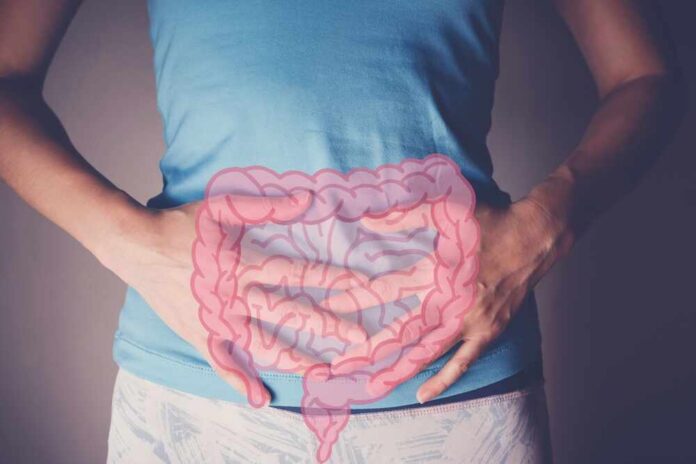
The most overlooked beverage for gut health isn’t a trendy probiotic drink or fermented elixir—it’s the plain water sitting in your glass right now, and emerging research reveals it may be the single most important factor in keeping trillions of gut bacteria thriving.
Story Snapshot
- Water supports gut microbiome health through digestion, nutrient transport, toxin removal, and maintaining the intestinal mucosal lining
- Dehydration disrupts microbial diversity and impairs immune defenses against pathogens, according to recent mouse model studies
- Unlike probiotic drinks, water provides passive microbiome support without additives, focusing on fundamental hydration mechanics
- Smart hydration technology and clinical guidance now position water as the “forgotten nutrient” for gut wellness
The Forgotten Foundation of Gut Wellness
Water has earned an unexpected spotlight in microbiome science, contrasting sharply with the kombucha and kefir trends dominating wellness conversations. Research from institutions like Austin Gastroenterology and studies published in peer-reviewed journals demonstrate that adequate hydration maintains the intestinal environment where beneficial bacteria flourish. Water aids digestive motility, prevents constipation, supports the mucous layer protecting gut walls, and flushes metabolic waste that would otherwise feed harmful microbes. This fundamental role positions water not as a supplement to gut health strategies but as their prerequisite—a reality often buried beneath marketing for probiotic beverages.
What Dehydration Does to Your Microbial Ecosystem
Mouse models examining water restriction revealed troubling shifts in gut bacterial composition. Dehydration altered beta-diversity—the variety of microbial species across samples—and increased populations of Verrucomicrobiaceae family bacteria like Akkermansia, which sounds beneficial until you understand the context: these changes coincided with impaired immune responses and vulnerability to pathogens. The studies identified aquaporin-3, a water channel protein, as critical for maintaining microbial balance and T-helper-17 cell immunity. While some models showed no change in alpha-diversity within individual samples, the broader ecosystem disruptions point to dehydration as a stressor that compromises the gut’s defensive capabilities against infection and inflammation.
Hydration Mechanics That Microbes Depend On
Water performs unglamorous but essential tasks that keep gut bacteria healthy. It maintains pH stability in the digestive tract, preventing overly acidic or alkaline conditions that kill beneficial strains. Hydration supports secretion production—saliva, gastric juices, bile—that breaks down food into nutrients bacteria ferment for energy. Water transports these nutrients across intestinal walls and carries fiber through the colon, where microbes metabolize it into short-chain fatty acids that reduce inflammation. Dehydration reverses these processes: slower transit times allow toxins to reabsorb, dry mucosa fails to protect gut lining, and poor motility creates environments where pathogenic bacteria outcompete beneficial species.
Clinicians at Austin Gastroenterology emphasize that patients addressing gut issues through probiotics or dietary changes often overlook hydration status. Experts note that even mild dehydration reduces digestive efficiency, negating benefits from expensive supplements. The recommendation is straightforward: consistent water intake throughout the day, paired with fiber-rich foods, creates conditions where existing gut bacteria thrive without requiring probiotic interventions. This approach aligns with evidence showing water source variability—mineral content, purity—also influences microbial composition, though research into optimal water types remains incomplete. The consensus favors clean, accessible water over branded alternatives promising microbiome miracles.
Commercial Interests and Practical Realities
Companies like WaterH now market smart bottles that track intake and suggest hydration timing aligned with meals or fiber consumption. These tools address a legitimate problem—most adults underhydrate chronically—but also commercialize a free resource. The branding positions filtered or structured water as superior to tap water for gut health, claims not robustly supported by comparative human trials. Meanwhile, Dr. Josh Axe and similar influencers rank fermented drinks like kefir ahead of water for gut benefits, reflecting valid evidence that probiotics diversify microbial populations in metabolic syndrome and athletic populations. The tension lies not in choosing one over the other but recognizing water as the baseline without which probiotics cannot function optimally.
Research timelines show incremental progress rather than breakthroughs. Green tea studies in 2018 demonstrated polyphenol effects on oral and gut microbiota. Kefir trials in 2021 confirmed diversity increases in targeted groups. Water restriction studies published in 2024 through platforms like PMC formalized dehydration’s microbial risks. Clinical and commercial sources synthesized these findings into public-facing content throughout 2024 and 2025, creating current awareness without new underlying science. The practical takeaway remains stable: drink adequate water daily, avoid sugary or caffeinated beverages that dehydrate, and pair hydration with whole foods.
Sources:
The Gut-Hydration Connection: How WaterH Helps Your Microbiome Thrive
Hydration and Digestion: Why Water Is Essential for a Healthy Gut
Water Restriction and Gut Microbiota
Boost Your Gut Health Naturally: Top Foods and Drinks for a Healthier You
Is Water the Forgotten Nutrient for Your Gut Microbiota?
Hydration’s Gut Secret: Does Drinking Water Help Gut Health